

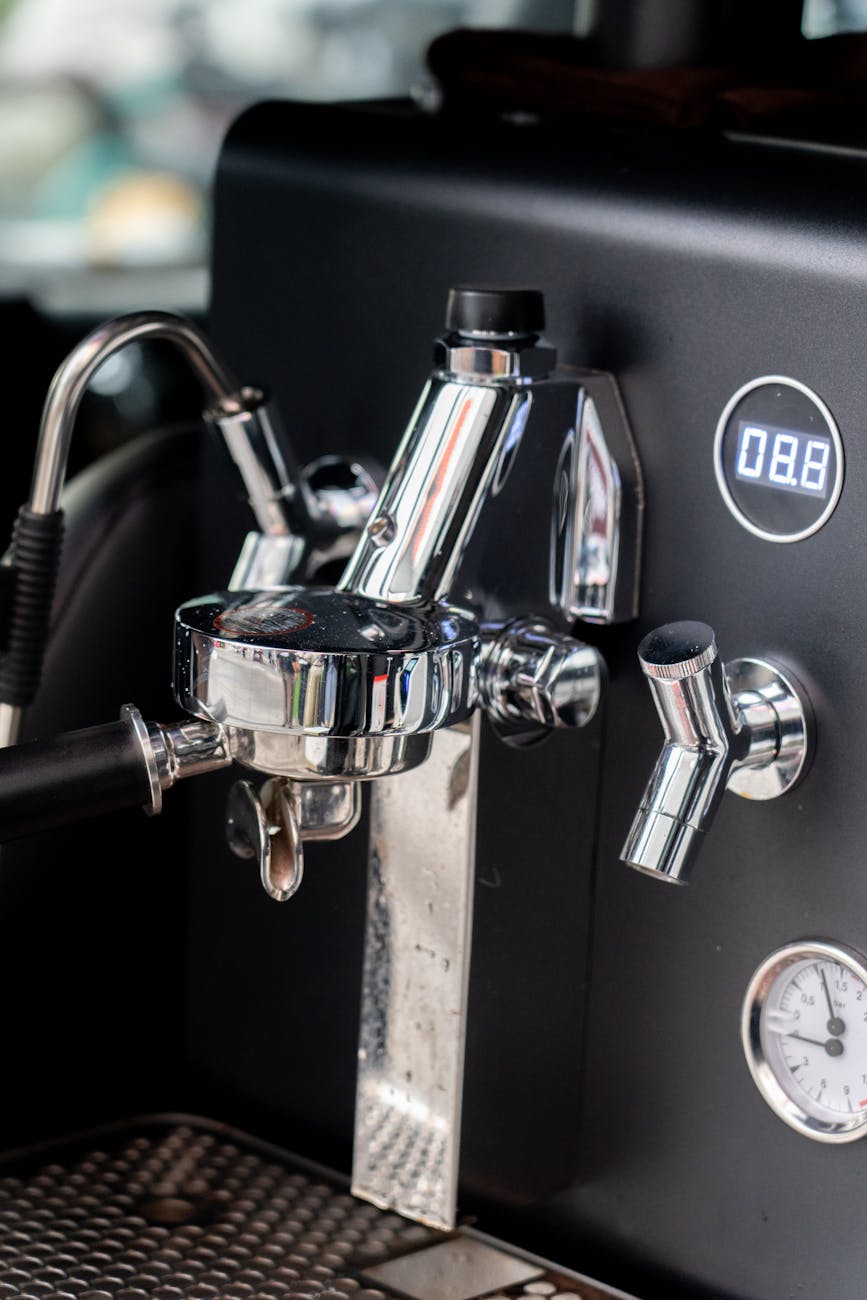
The DeLonghi ECP3420 is a fantastic entry-level espresso machine that punches well above its weight. For many aspiring home baristas, it’s the first step into the world of pulling delicious shots at home. However, unboxing it and expecting café-quality results immediately can lead to frustration. The secret isn’t in the machine alone, but in the process of “dialing in.” This involves systematically adjusting key variables to extract the perfect balance of sweetness, acidity, and body from your coffee beans. This guide will walk you through the essential steps to master your DeLonghi ECP3420, transforming your morning espresso from a game of chance into a consistent and rewarding ritual. We will cover everything from understanding your equipment to adjusting grind, dose, and technique.
Understanding your machine and its variables
Before you can pull a great shot, you need to understand the tools you’re working with. The DeLonghi ECP3420 comes with a pressurized portafilter. This is a key feature for beginners. It has a double-walled basket with a single tiny hole on the bottom, which helps create resistance and pressure artificially. This makes the machine very forgiving if your grind size or tamp isn’t perfect, as it helps produce a thick-looking crema even with less-than-ideal preparation. However, this forgiveness comes at a cost: it can mask the nuances of a truly well-extracted shot and limit your ultimate control.
To dial in properly, we need to focus on the three core variables of any espresso recipe:
- Dose: The weight of the dry coffee grounds you put in the portafilter basket.
- Yield: The weight of the liquid espresso in your cup.
- Time: The duration of the extraction, from the moment you engage the pump until you stop it.
A great starting point for the ECP3420’s double-shot basket is a 1:2 ratio. This means for every gram of coffee you put in, you want two grams of liquid espresso out. A good starting dose for the stock basket is around 14 grams. Therefore, our starting recipe will be: 14g dose in, for a 28g yield out, in about 25-30 seconds. To do this accurately, a coffee scale with 0.1g precision is an essential, non-negotiable tool.
The crucial role of grind size
The single most important variable you will adjust is the grind size of your coffee beans. You simply cannot make good espresso without a capable burr grinder. Blade grinders chop beans inconsistently and will not work. Your grinder is what allows you to control the flow rate of water through the coffee puck.
Think of it like this: water flowing through large pebbles (a coarse grind) will pass through very quickly. Water flowing through fine sand (a fine grind) will pass through very slowly. Our goal is to find the sweet spot.
- Start with a baseline. Set your burr grinder to a fine setting, often labeled “espresso.” Grind 14g of coffee.
- Pull a test shot. Prepare your puck and pull a shot, placing your cup on a scale. Start a timer as soon as you turn the machine on. Stop the shot when the scale reads 28g.
- Analyze the time. How long did it take?
- Too fast (under 20 seconds): Your coffee is likely under-extracted and will taste sour or acidic. Your grind is too coarse. You need to adjust your grinder to a finer setting.
- Too slow (over 35 seconds): Your coffee is likely over-extracted and will taste bitter, harsh, or burnt. Your grind is too fine. You need to adjust your grinder to a coarser setting.
The key is to make one small adjustment at a time. Change the grind setting by one step, purge a small amount of old grounds, and pull another test shot, keeping your dose (14g) and yield (28g) the same. Repeat this process until you are consistently hitting that 25-30 second window. This is the core of dialing in.
Refining your puck preparation: Dose and tamp
Once your grind size is in the right ballpark to achieve your target time, you can focus on making your preparation consistent. Inconsistent puck prep is the main cause of “channeling,” where water punches a hole through a weak spot in the coffee puck, leading to an uneven extraction that tastes both sour and bitter.
Dosing: Always use a scale to weigh your beans before grinding. Dosing 14.1g one time and 14.8g the next will change your shot time and flavor. Aim for consistency within 0.1g every single time. Make sure the grounds are distributed evenly in the portafilter basket. You can achieve this by gently tapping the side of the portafilter with your hand or using a simple distribution tool (like a paperclip or a dedicated WDT tool) to break up clumps.
Tamping: The goal of tamping is not to press as hard as you can, but to create a level and uniformly compacted bed of coffee for the water to flow through evenly. After distributing your grounds, rest the portafilter on a level surface. Hold the tamper like a doorknob, keeping your wrist straight, and press down firmly until the coffee bed feels solid. The amount of pressure is less important than making sure it’s level and consistent every time. A crooked tamp will encourage channeling and ruin your shot.
Tasting and making final adjustments
Hitting the numbers—14g in, 28g out, in 27 seconds—is the technical goal. But the ultimate goal is to make espresso that you enjoy. Now it’s time to let your taste buds be the final judge. The 1:2 ratio in 25-30 seconds is a classic, balanced starting point, but it’s not the only way. Use this table as a guide to troubleshoot and adjust based on taste.
| If your shot tastes… | It is likely… | How to fix it |
|---|---|---|
| Sour, overly acidic, thin | Under-extracted | Grind finer to increase extraction time, or increase the yield (e.g., pull to 32g instead of 28g). |
| Bitter, harsh, burnt, astringent | Over-extracted | Grind coarser to decrease extraction time, or decrease the yield (e.g., stop the shot at 25g). |
| Both sour and bitter at once | Channeling / Uneven extraction | Focus on better puck prep. Ensure even distribution of grounds and a level tamp. |
Don’t be afraid to experiment. If a shot tastes a little sour at your 28g yield, try letting it run to 30g or 32g next time and see how the balance changes. This is how you fine-tune the recipe for your specific beans and your personal preference. Keep the dose and your prep consistent, and play with the grind and yield to steer the flavor.
Dialing in your DeLonghi ECP3420 is a journey, not a destination. It’s a skill that transforms coffee making from a chore into a craft. By focusing on the fundamentals, you can move beyond the machine’s forgiving nature and take true control of your espresso. Remember the process: start with fresh beans and a good burr grinder, establish a consistent recipe (dose in, yield out), and use your grind setting as the primary tool to control extraction time. From there, let your palate guide you to make small adjustments until you have a rich, balanced, and delicious shot of espresso. With a little patience and practice, your ECP3420 will reward you with café-quality coffee in the comfort of your own home.

 No products in the cart.