

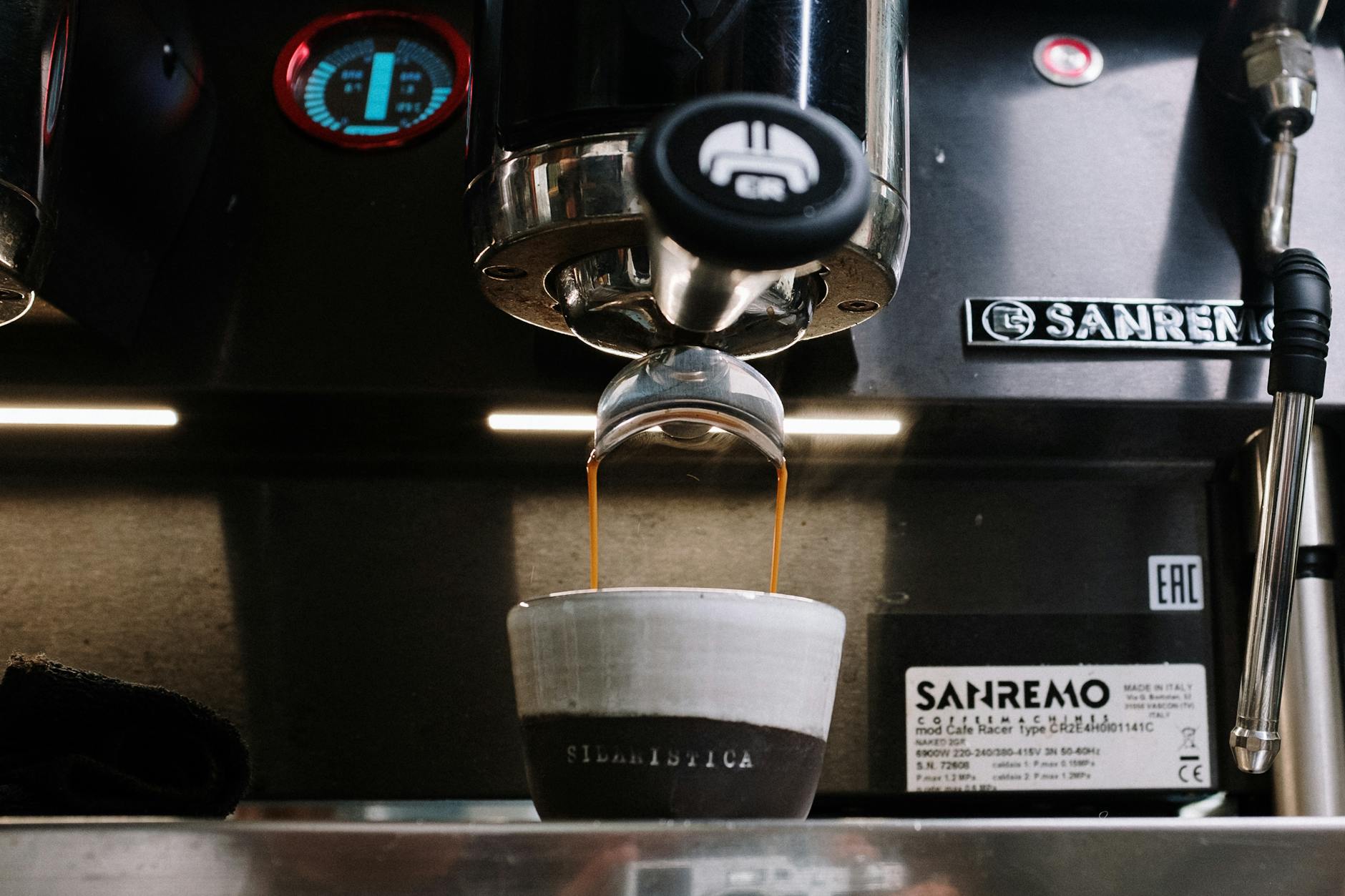
How to dial in espresso: A guide to finding the perfect extraction
The dream of pulling a rich, syrupy, cafe-quality shot of espresso at home is what drives many of us to invest in our own machines. But that dream can quickly turn into frustration when your shots are consistently sour, bitter, or just plain disappointing. The secret isn’t a magic button; it’s a methodical process known as dialing in. This is the art and science of calibrating your equipment and recipe to suit your specific coffee beans. This guide will walk you through the fundamental variables of espresso extraction—dose, yield, and time—and provide a clear, step-by-step process. We’ll transform your espresso from a game of chance into a rewarding and repeatable ritual of deliciousness.
Understanding the core variables of espresso
Before you can control the outcome of your espresso, you must understand the key elements you’re manipulating. Think of this as your espresso recipe. While there are many factors at play, the process of dialing in revolves around three core variables. Mastering the relationship between them is the first and most crucial step toward a perfect shot.
- Dose: This is the weight of your dry coffee grounds in the portafilter basket, measured in grams. Your dose is the foundation of your recipe and determines the overall strength and body of the shot. Most standard double-shot baskets are designed to hold between 17 and 20 grams of coffee. Consistency is key, so always use a digital scale to measure your dose accurately.
- Yield: This refers to the weight of the final liquid espresso in your cup, also measured in grams. Measuring by weight is far more accurate than measuring by volume, as crema can be misleading. The relationship between your dose and yield is called the brew ratio. A great starting point for most modern espressos is a 1:2 ratio. For an 18-gram dose, you would aim for a 36-gram yield.
- Time: Extraction time is the total duration, in seconds, from the moment you start the pump until you reach your target yield. It’s important to understand that time is not a variable you set directly; rather, it is the result of your dose, yield, and most importantly, your grind size. A good target range to aim for is typically between 25 and 35 seconds.
Your essential espresso toolkit
Having the right tools is non-negotiable for dialing in espresso effectively. Precision and consistency are impossible without them. While the machine itself is the centerpiece, a few key accessories do the heavy lifting in helping you control the variables we just discussed. Investing in these items will pay dividends in the quality of your coffee.
The non-negotiables:
- A quality burr grinder: This is arguably the most important piece of equipment you own, even more so than the machine itself. A burr grinder provides the consistent, fine-particle size needed for espresso and allows for small, repeatable adjustments. A blade grinder is simply not suitable for this task.
- A digital scale (0.1g accuracy): You cannot dial in without a scale. It’s essential for measuring both your dose of coffee grounds and your liquid yield. This removes all guesswork and allows for a repeatable, data-driven approach.
- A proper tamper: A tamper that fits your portafilter basket snugly is necessary to create a flat, evenly compacted puck of coffee. This helps prevent water from finding easy channels to flow through, which leads to an uneven extraction.
Once you have the basics, you might also consider a bottomless portafilter, which is an excellent diagnostic tool for identifying issues like channeling, and a WDT tool to break up clumps in your grounds for more even distribution.
The step-by-step process of dialing in
Now that you understand the variables and have your tools ready, it’s time to pull a shot. The goal of this first shot is not perfection, but to gather data. We will establish a baseline, taste the result, and then make a single, informed adjustment. Follow these steps methodically.
- Choose a starting recipe. Don’t try to guess. Start with a standard and reliable recipe. A great place to begin is with an 18-gram dose, aiming for a 36-gram yield (a 1:2 ratio). Your target time will be a result of these parameters, but we hope it lands somewhere around 30 seconds.
- Prepare your puck. Weigh out exactly 18 grams of whole bean coffee. Grind it into your portafilter. Distribute the grounds so they are level, using a distribution tool or by gently tapping the side of the portafilter. Tamp down firmly and evenly, ensuring the surface of the coffee is perfectly level.
- Pull the shot and measure. Place your cup on the digital scale and zero it. Position it under the portafilter. Start your shot and a timer at the same time. Watch the weight on the scale. As it approaches your 36-gram target, stop the pump. The final time on your timer is your extraction time.
- Taste and evaluate. This is the most important step. Swirl the espresso and taste it. Is it unpleasantly sour and thin? Or is it harsh, dry, and bitter? Or is it balanced, sweet, and rich? Your palate is the ultimate judge and will tell you exactly what adjustment to make next.
Troubleshooting your shot: Adjusting for taste
Your first shot is unlikely to be perfect, and that’s okay. The data you gathered—dose, yield, time, and taste—will guide your next move. The primary variable you will change to alter the extraction is your grind size. By making the coffee particles finer or coarser, you change the resistance to the water, which directly impacts the extraction time and, therefore, the taste.
If your shot was sour, watery, and pulled too fast (for example, in 20 seconds), it is under-extracted. The water rushed through the coffee grounds too quickly to pull out the sweet flavors. The solution is to make your grind finer. This will increase the resistance, slow down the flow of water, and increase the extraction time, allowing for more flavor to be extracted.
If your shot was bitter, harsh, and pulled too slow (for example, in 40 seconds), it is over-extracted. The water was in contact with the coffee for too long, pulling out unpleasant, bitter compounds. The solution is to make your grind coarser. This will decrease resistance, allowing water to flow more freely and shortening the extraction time.
Keep your dose and yield constant while you adjust the grind. Only change one variable at a time. Here is a simple table to guide your adjustments:
| Taste | Extraction Time | Diagnosis | Solution |
|---|---|---|---|
| Sour, acidic, thin body | Too Fast (<25 seconds) | Under-extracted | Grind Finer |
| Bitter, astringent, harsh | Too Slow (>35 seconds) | Over-extracted | Grind Coarser |
| Balanced, sweet, rich | Just Right (~25-35 seconds) | Perfect Extraction | Enjoy and repeat! |
Conclusion
Dialing in espresso is a fundamental skill for any home barista. It transforms the coffee-making process from a frustrating guessing game into a methodical and rewarding practice. By understanding and controlling the core variables of dose, yield, and time, you can systematically troubleshoot your shots. Remember the core loop: establish a recipe, pull a shot, and then taste it. If it’s sour and fast, grind finer. If it’s bitter and slow, grind coarser. Always change only one variable at a time to see its effect. While it requires patience and a little practice, mastering this process puts you in complete control, allowing you to unlock the full potential of every coffee bean and consistently produce delicious, balanced espresso in your own kitchen.
 No products in the cart.