

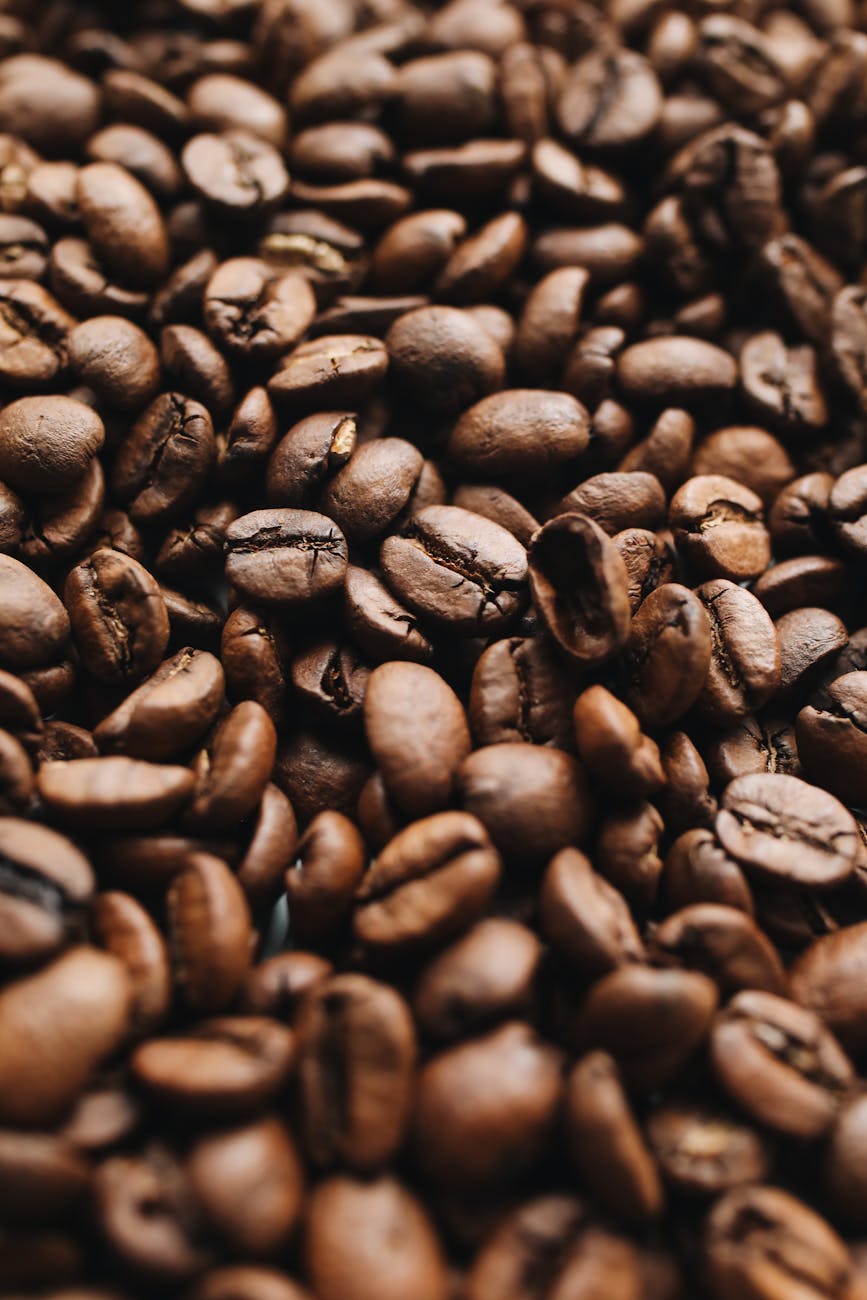
The Gaggia Classic is a legendary entry-point espresso machine, beloved for its robust build and potential to create true cafe-quality shots. However, many new owners quickly discover a frustrating challenge: pulling a dark roast espresso shot that isn’t overwhelmingly bitter. It’s a common rite of passage. That rich, chocolatey, and nutty flavor you crave is often replaced by an acrid, burnt taste that coats your palate. This bitterness isn’t a flaw in the beans or the machine itself; it’s a sign that the brewing parameters are not yet aligned. This article will guide you through the specific techniques needed to tame your Gaggia Classic and dial in dark roast beans, transforming those bitter shots into the smooth, syrupy, and delicious espresso you’re after.
Why dark roasts are different on a Gaggia Classic
Before we can fix the problem, we need to understand the cause. The bitterness you’re tasting is a direct result of over-extraction. This happens when the water pulls too many soluble compounds from the coffee grounds, including the unpleasant, bitter ones that extract last. Dark roast beans and the Gaggia Classic create a perfect storm for this to happen.
Firstly, dark roast beans are more brittle and porous than their lighter counterparts due to the extended roasting process. This makes them more soluble, meaning they give up their flavors to water much more quickly. Secondly, a stock Gaggia Classic Pro is factory-set to a very high brew pressure, often around 12-15 bars. While great for use with pressurized baskets, this high pressure forces water through the coffee puck aggressively, accelerating extraction even further. When you combine highly soluble beans with high-pressure water, you get a recipe for a fast, uneven, and ultimately bitter shot.
Taming temperature and time
The Gaggia Classic uses a small, single boiler that heats and steams in cycles, causing the temperature to fluctuate. For dark roasts, which are sensitive to high heat, brewing at the peak of the heating cycle will scorch the grounds and guarantee bitterness. The solution is a technique called temperature surfing.
The goal is to brew at a lower, more stable temperature. Here’s a simple method:
- Turn on your machine and let it heat up for at least 15 minutes with the portafilter locked in.
- When you’re ready to brew, open the steam wand and run the pump for 3-5 seconds to purge hot water from the boiler. This will trigger the heating element to turn on (you’ll see the brew light turn off).
- Close the steam wand and wait. The moment the brew light comes back on, indicating the boiler has reached its target temperature, count for about 5-10 seconds and then start your shot.
This process ensures you are brewing on the downward curve of the temperature cycle, providing a gentler heat that preserves the delicate, sweet notes of the dark roast. Combine this with a shorter total shot time—aiming for 20-25 seconds is a great starting point—to prevent the extraction from running long and pulling in those bitter compounds.
Adjusting your dose, grind, and ratio
With temperature and time under control, the final variables are in your portafilter. Many people’s first instinct when a shot runs too fast is to grind finer. With dark roasts, this is often the wrong move. Grinding too fine creates more surface area, speeds up extraction, and can lead to channeling and bitterness. Instead, try grinding slightly coarser than you would for a medium roast.
This may seem counterintuitive, but a coarser grind slows the rate of extraction itself, acting as a brake. You then compensate for the faster flow by increasing the dose. For a standard 58mm double basket, start with a dose of 18-20 grams. This larger dose provides more resistance to the water, helping to slow the shot down without relying on an overly fine grind.
Finally, adjust your brew ratio. Instead of the standard 1:2.5 or 1:3 ratio common for lighter roasts, aim for a tighter, more concentrated shot. A 1:1.5 to 1:2 ratio works beautifully for dark roasts. This means for an 18-gram dose, you would aim for a 27-36 gram liquid yield in your cup. This shorter pull captures the sweet, syrupy body of the coffee before the bitter notes have a chance to dominate.
| Parameter | Recommended starting point | Reasoning |
|---|---|---|
| Dose | 18-20 grams | Creates puck resistance to slow the shot without grinding too fine. |
| Grind | Slightly coarser than for medium roast | Reduces the risk of channeling and over-extracting soluble compounds. |
| Temperature | Surf to brew on the lower end of the cycle | Prevents scorching the delicate oils and sugars in the beans. |
| Yield (Output) | 27-36 grams (for an 18g dose) | A 1:1.5 to 1:2 ratio captures sweetness before bitterness emerges. |
| Time | 20-25 seconds | A shorter contact time minimizes the extraction of bitter compounds. |
Conclusion
Pulling a delicious, bitterness-free dark roast shot on the Gaggia Classic is not about finding one secret setting, but about understanding how a few key variables work together. The journey from a bitter mess to a balanced, rich espresso involves a holistic approach. By recognizing the soluble nature of dark roast beans and the high-pressure environment of the Gaggia, you can make targeted adjustments. Master the art of temperature surfing to avoid scorching your grounds, and don’t be afraid to grind coarser while increasing your dose. Finally, aim for a shorter shot time and a more concentrated brew ratio of 1:1.5 to 1:2. Following these steps will put you in control of extraction, allowing you to consistently pull shots that are sweet, syrupy, and full of classic, deep espresso flavor.

 No products in the cart.