

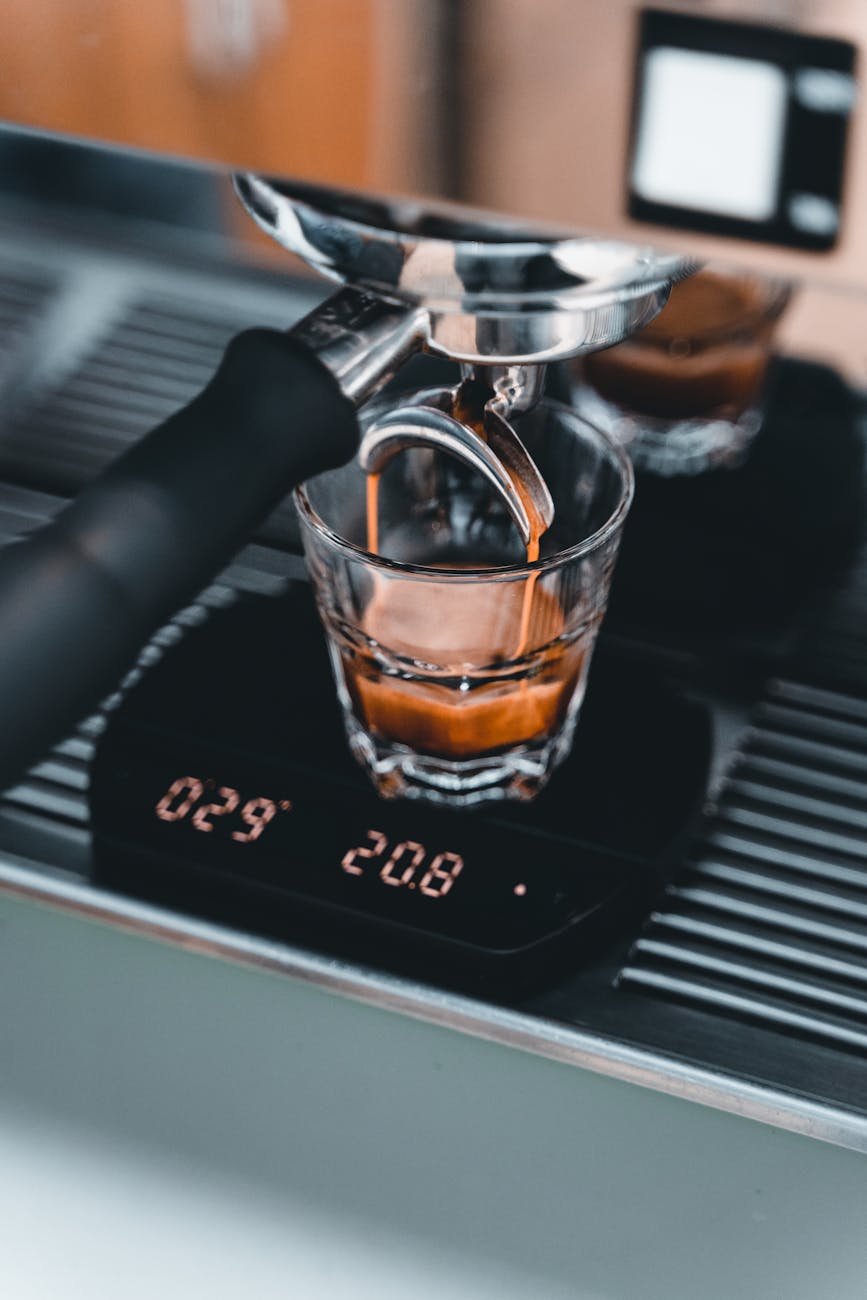
Mastering your espresso: How to diagnose uneven extraction with a naked portafilter
For any coffee enthusiast aiming to perfect their espresso, the naked portafilter is an indispensable diagnostic tool. Also known as a bottomless portafilter, this simple piece of equipment removes the spouts and floor, exposing the bottom of the filter basket. This provides an unfiltered, real-time view of how water is passing through your coffee grounds. Uneven extraction, the sworn enemy of a balanced shot, results in a cup that is simultaneously sour and bitter. By learning to read the visual cues your naked portafilter provides, you can move beyond guesswork and start systematically troubleshooting your technique. This guide will walk you through identifying the signs of a bad extraction and pinpointing the root causes, turning you into a more confident and capable home barista.
What your naked portafilter is telling you
Before diagnosing problems, it’s crucial to understand what a good extraction looks like. Ideally, after a few seconds of pre-infusion, you should see dark droplets of espresso begin to form evenly across the entire surface of the basket. These droplets should quickly coalesce into a single, steady, and central stream. The flow should look viscous, like warm honey, and feature rich, dark colors that slowly transition to a caramel or hazelnut hue—a phenomenon known as “blonding.” This beautiful, centered, and even flow indicates that water is passing through the coffee puck uniformly, extracting all the desirable flavors in a balanced way. Any deviation from this ideal scenario points to an issue with your process, most often uneven extraction.
Reading the signs of channeling and uneven flow
Channeling is the primary villain in uneven extraction. It occurs when water finds a path of least resistance through the coffee puck, over-extracting the coffee along that channel while under-extracting the surrounding areas. A naked portafilter makes these channels painfully obvious.
Here are the key visual indicators to watch for:
- Spurting or spritzing: This is the most dramatic sign of channeling. You’ll see tiny jets of espresso shooting out at odd angles from the basket. This means water has violently punched a hole through a weak spot in your puck. The resulting shot will be thin, acidic, and often messy.
- Multiple streams that fail to merge: Instead of forming one central cone, you see several distinct streams pouring from different parts of the basket. This suggests multiple channels or areas of lower density in the puck.
- Bald spots on the basket: You’ll notice areas on the bottom of the filter where no coffee is emerging, or it appears much later than in other spots. This indicates a section of the puck is too dense, effectively blocking water flow while forcing it through other, less dense areas.
- A “doughnut” extraction: This happens when coffee begins extracting only from the outer edges of the basket, while the center remains dry for several seconds. It’s often caused by distributing grounds in a way that leaves the center less dense than the perimeter.
- Rapid, localized blonding: While the overall shot should blond toward the end, seeing a single stream turn pale yellow while others remain dark is a clear sign of a channel. That specific area is exhausted and is now contributing watery, bitter flavors to your cup.
Common causes and how to fix them
Observing the problem is the first step; fixing it is the goal. Nearly all extraction issues stem from how you prepare the coffee puck before you lock it into the machine. This process, often called “puck prep,” is where your attention should be focused. Consistency is your greatest ally.
The main culprits behind channeling are:
- Clumpy coffee grounds: Grinders, especially less premium ones, can produce clumpy grounds. These clumps create dense pockets of coffee next to empty voids, a perfect recipe for channeling. The best solution is the Weiss Distribution Technique (WDT), which involves using a tool with fine needles to break up clumps and fluff the grounds.
- Poor distribution: Simply letting the grounds fall into a pile in your portafilter and then tamping is not enough. This leaves the center much denser than the sides. After grinding (and WDT), gently tap the side of the portafilter to settle the grounds into a flat bed or use a coffee distribution tool to level the surface.
- Uneven tamping: Tamping with uneven pressure or at a slight angle will create a puck with varying density. Water will naturally flow faster through the less compressed side. Focus on a level, firm tamp. Using a self-leveling or calibrated tamper can immediately solve this issue.
- Incorrect dose or grind size: If your grind is too fine, the machine may struggle to push water through, eventually forcing a channel through the weakest point. If it’s too coarse, water will gush through too quickly. Likewise, significantly under-dosing or over-dosing your basket for its intended size can compromise the puck’s structural integrity.
A diagnostic workflow for the perfect shot
To systematically eliminate issues, change only one variable at a time. Use a scale to ensure your dose and yield are consistent, and a timer to track your shot time. The table below connects the visual problem to its likely cause and the recommended solution.
| Visual Symptom (The Problem) | Likely Cause | Primary Solution |
|---|---|---|
| Aggressive spurting from one spot | A significant channel caused by a large clump or void in the puck. | Implement a thorough WDT to break up all clumps before tamping. |
| Extraction starts at the edges first (“doughnut”) | Grounds are less dense in the center of the puck. | Focus on distributing grounds evenly from the center outwards. Avoid tapping down, which can compact the edges. |
| Multiple, separate streams | Uneven density throughout the puck; several small channels. | Improve overall distribution. Use WDT and a leveling tool/technique. Ensure your tamp is perfectly level. |
| One side of the basket starts flowing much earlier | An unlevel tamp. The lower side is less dense. | Practice your tamping technique on a level surface or invest in a self-leveling tamper. |
| The entire shot gushes out too fast and is pale | Grind is too coarse, or the dose is too low. | Adjust your grinder to a finer setting. Check that you are using the correct dose for your basket size. |
By following a consistent workflow—weigh, grind, WDT, distribute, tamp—and using the visual feedback from your naked portafilter, you can methodically diagnose and resolve your extraction flaws.
Conclusion
The naked portafilter transforms espresso making from a mysterious art into an approachable science. It demystifies the process happening inside the basket, giving you the direct feedback needed to improve. While the mesmerizing, syrupy flow of a perfect extraction is a reward in itself, the true value of this tool lies in its ability to expose flaws. Remember that issues like spurting, doughnut extractions, and rapid blonding are almost always symptoms of imperfect puck preparation. By focusing on creating a homogenous, evenly dense coffee bed through techniques like WDT, level distribution, and a consistent tamp, you address the root cause of uneven extraction. Embrace the feedback, be patient with your process, and soon you’ll be consistently pulling balanced, delicious shots that look as good as they taste.

 No products in the cart.