

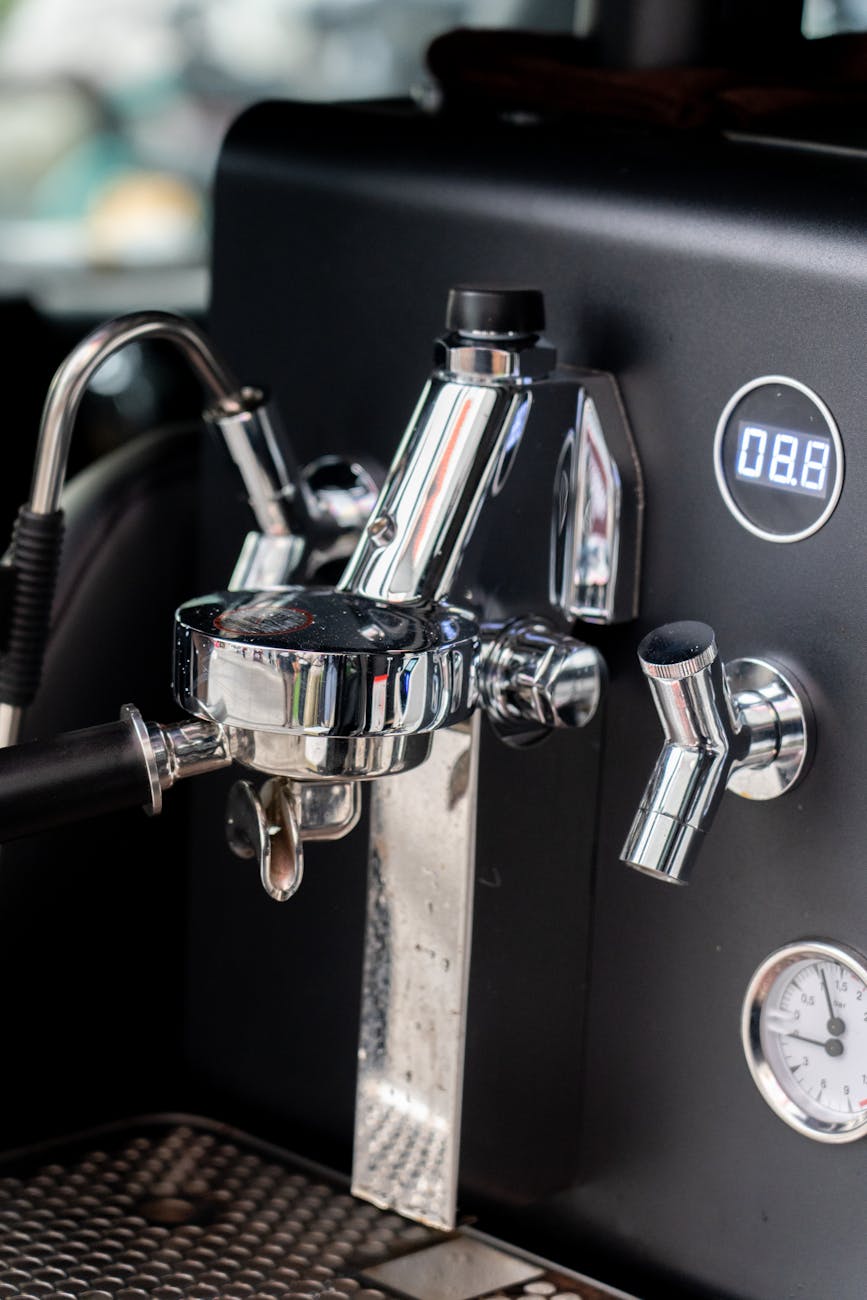
How to descale the Gaggia Classic without damaging the aluminum boiler
The Gaggia Classic is a legend in the world of home espresso, renowned for its robust build and ability to produce cafe-quality shots. A key part of its long-lasting design is its aluminum boiler. However, this very component requires special attention during routine maintenance, specifically descaling. Many common descaling agents, like vinegar, can be too aggressive for aluminum, causing corrosion and permanent damage. This can shorten the life of your beloved machine and negatively impact the taste of your coffee. In this guide, we will walk you through the correct process for descaling your Gaggia Classic, focusing on safe methods and products that protect the integrity of its aluminum boiler, ensuring it continues to perform flawlessly for years to come.
Understanding the risk: Aluminum boilers and harsh acids
To properly care for your Gaggia Classic, it’s essential to first understand why you need to be so careful. Limescale, a deposit of calcium and magnesium carbonates, builds up inside your machine over time, especially if you use hard water. This buildup acts as an insulator on the heating element, reducing thermal efficiency and making it harder for your machine to reach and maintain the correct brewing temperature. In severe cases, it can clog the narrow water pathways, solenoid valve, and pump, leading to reduced water flow or complete failure.
While descaling is crucial, the method matters immensely. The Gaggia Classic’s boiler is made of aluminum, a metal that is highly reactive to strong acids. A common DIY descaling solution, white vinegar, contains acetic acid. When acetic acid comes into contact with aluminum, it causes a chemical reaction that corrodes the metal. This process pits the boiler’s interior surface and leaches aluminum particles into your water, which is not only bad for your machine but can also impart a metallic taste to your espresso. This damage is irreversible. Therefore, avoiding vinegar and other harsh, unspecified chemical descalers is the single most important rule for maintaining your Gaggia Classic.
Choosing a safe and effective descaling solution
Now that we’ve established what to avoid, let’s focus on what you should use. The goal is to find a solution that is acidic enough to dissolve mineral scale but gentle enough not to corrode the aluminum boiler. You have two excellent options: a commercially formulated descaler or a carefully mixed citric acid solution.
- Purpose-made espresso machine descalers: This is the safest and most recommended option. Products like the Gaggia Decalcifier or others specifically labeled as safe for aluminum boilers are formulated with buffered acids (like lactic acid or sulfamic acid) that are designed to target scale without attacking the metal. While they may cost more than DIY solutions, they provide peace of mind and are engineered for optimal performance.
- Citric acid: A popular and effective DIY alternative, citric acid is much gentler on aluminum than acetic acid (vinegar). It’s crucial, however, to use the correct concentration. A solution that is too strong can still be corrosive over time. A safe and effective ratio is 1 to 2 tablespoons of citric acid powder per 1 liter (or 1 quart) of lukewarm water. Ensure the powder is fully dissolved before adding it to the machine’s water tank.
Here is a simple comparison to help you decide:
| Descaler type | Safety for aluminum | Effectiveness | Ease of use |
|---|---|---|---|
| Gaggia official descaler | Excellent (formulated specifically for it) | Excellent | Very easy, just follow instructions |
| Citric acid | Good (when mixed correctly) | Very good | Easy, but requires measuring |
| Vinegar (acetic acid) | Poor (highly corrosive) | Good on scale, bad on metal | Do not use |
The safe descaling process: A step-by-step guide
Once you have chosen your aluminum-safe descaler, follow these steps carefully. This process typically takes about an hour, including the soaking and flushing time. Set aside enough time to complete it without rushing.
- Preparation: Turn off and unplug your Gaggia Classic, allowing it to cool down completely. Empty the drip tray and the water tank. Remove the portafilter from the group head.
- Mix the solution: Prepare your descaling solution according to the manufacturer’s instructions or by dissolving 1-2 tablespoons of citric acid in one liter of lukewarm water. Pour this solution into the empty water tank.
- Run solution through the group head: Place a large container under the group head. Turn the machine on and wait for it to heat up (the brew light turns on). Once ready, activate the brew switch and run about 200ml (about a cup) of the descaling solution through the group head. Then, turn the brew switch off.
- Run solution through the steam wand: Place the container under the steam wand. Open the steam knob and activate the brew pump switch to dispense about 200ml of solution through the wand. Close the steam knob and turn off the pump switch.
- Let it soak: Turn the machine’s main power switch off. Let the descaling solution sit inside the boiler for 20-30 minutes. This allows the acid to dissolve the scale. Do not let it sit for hours, as prolonged exposure is unnecessary and increases any potential risk to the boiler.
- The critical flush: After the soak, discard any remaining descaling solution from the water tank. Rinse the tank thoroughly with fresh water and fill it to the max line.
- Flush the system (Round 1): Turn the machine on. Run half of the tank of fresh water through the group head. Then, run the other half through the steam wand. This begins to flush out the descaler and dissolved minerals.
- Flush the system (Round 2): Turn the machine off. Refill the water tank again with fresh, clean water. Repeat the entire flushing process, running half the tank through the group head and the other half through the steam wand. This second flush is vital to ensure no residual descaling solution is left in the system.
Preventative care for a long-lasting machine
Descaling is a reactive measure, but the best strategy is proactive prevention. The single most effective way to protect your Gaggia Classic from scale is to manage your water quality. Hard water is the enemy of all espresso machines. By using softened or filtered water, you drastically reduce the rate of mineral buildup, extending the time needed between descaling cycles and promoting the machine’s overall longevity.
Consider using an in-tank water softener pouch or filling your machine with water that has a low mineral content (but not distilled water, which can cause its own issues). A good rule of thumb is to descale every 2-3 months if you use hard tap water and every 4-6 months if you use properly filtered or softened water. After every descaling session, it’s also a good idea to pull one or two “sacrificial” shots and discard them. This helps to re-season the group head and ensures your next espresso tastes pure and delicious.
By taking these preventative steps, you are not just cleaning your machine; you are actively preserving it for the future.
In conclusion, descaling your Gaggia Classic is a vital maintenance task that, when done correctly, ensures optimal performance and a long lifespan for your machine. The most critical takeaway is to recognize the vulnerability of the aluminum boiler and completely avoid aggressive acids like vinegar. Instead, opt for a specially formulated commercial descaler or a properly diluted citric acid solution. Following a structured process of running the solution through the system, allowing a brief soak, and then performing at least two thorough fresh water flushes will effectively remove scale without causing corrosive damage. Paired with the preventative use of softened water, this careful maintenance routine will protect your investment and reward you with delicious, consistent espresso for many years to come.

 No products in the cart.