

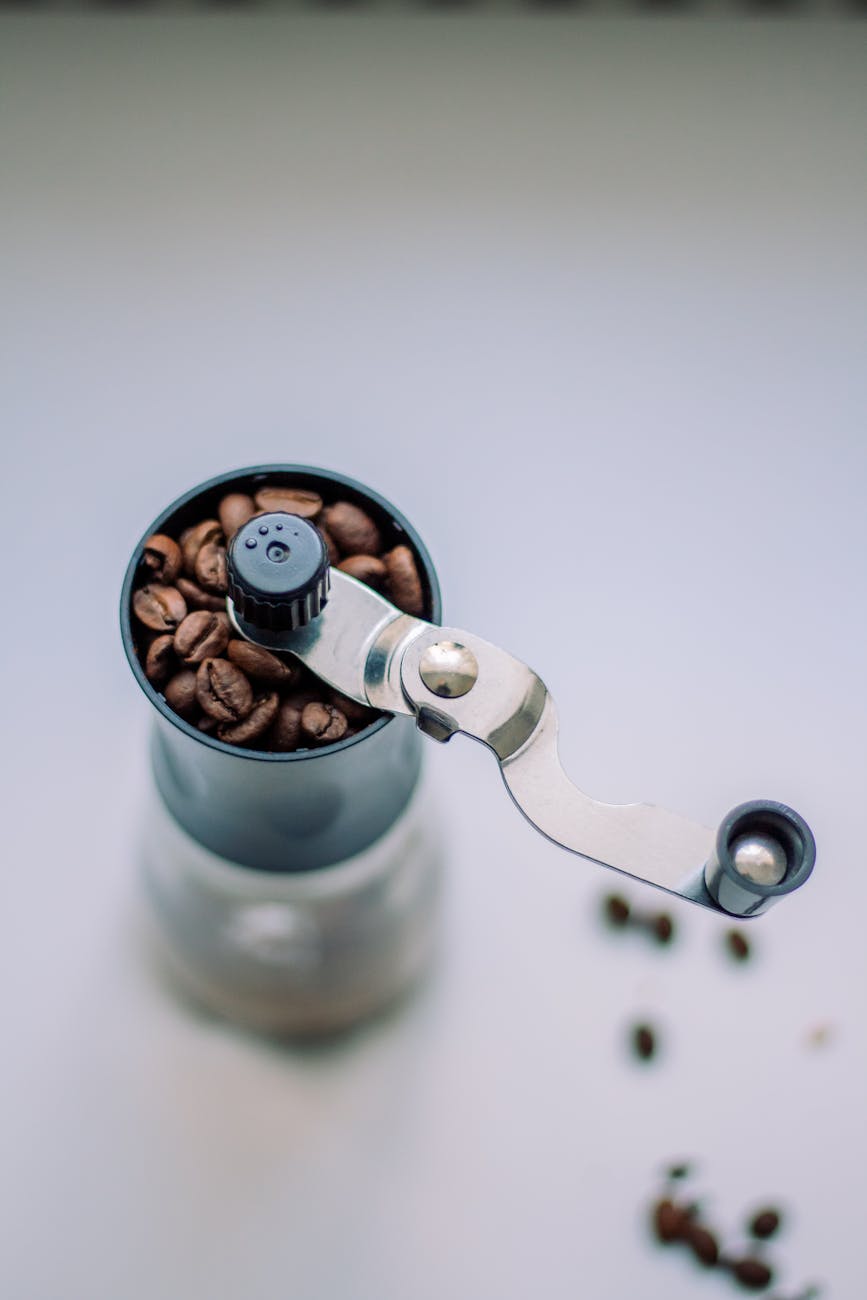
Every home barista knows the satisfaction of pulling that perfect shot of espresso. It’s a delicate balance of bean, pressure, temperature, and, most importantly, the grind. Achieving that flawless, dialed-in setting on your grinder feels like a major victory. But what happens when your grinder gets dirty? Old coffee grounds and oils build up, affecting the taste of your coffee and the performance of your machine. The fear of cleaning your grinder and losing that precious setting is real, forcing many to choose between flavor and consistency. This guide will walk you through exactly how to clean your espresso grinder thoroughly without sacrificing the grind setting you worked so hard to find. It’s time to enjoy both a clean machine and perfect espresso.
Why regular cleaning is crucial for your coffee
It’s easy to overlook your grinder as a source of bad-tasting coffee, but it’s often the primary culprit. As you grind beans, two things are left behind: microscopic coffee particles, known as fines, and coffee oils. Over time, these remnants build up inside the grinding chamber and on the burrs. The oils quickly turn rancid, imparting stale, bitter, and unpleasant flavors into your fresh grounds. Think of it like cooking in a dirty pan; the old, burnt flavors will inevitably taint your new ingredients.
This buildup doesn’t just ruin the taste; it also harms your grinder’s performance. Caked-on fines can clog the exit chute and create inconsistencies in your grind size, which is a disaster for espresso. An inconsistent grind leads to channeling in your puck, resulting in a shot that is simultaneously sour and bitter. By committing to a regular cleaning schedule, you ensure that the only flavor in your cup is the one from your freshly ground beans, leading to a more delicious and consistent espresso experience every single time.
The two types of cleaning: Deep vs. quick
Grinder maintenance can be broken down into two distinct methods, each with its own purpose and frequency. Understanding the difference is key to keeping your equipment in top shape without creating unnecessary work.
Quick cleaning is your routine maintenance. This is typically done every few weeks using grinder-specific cleaning tablets made from food-safe, grain-based materials. You simply run the tablets through the grinder just like coffee beans. They are designed to be brittle enough to be ground, yet soft enough to absorb built-up coffee oils and dislodge stubborn fines from the burrs and chamber. This process takes only a couple of minutes and, crucially, does not require any disassembly, meaning there is zero risk to your grind setting. It’s the perfect way to keep rancid oils at bay between deeper cleanings.
Deep cleaning is a more thorough process that involves disassembling the grinder to access the burrs and grinding chamber directly. This is necessary every few months to remove the compacted, caked-on grounds that tablets can’t reach. This is the method that baristas often fear because it involves moving the adjustment collar. However, with one simple trick, you can perform a deep clean with complete confidence, knowing your dialed-in setting will be perfectly preserved.
The marker trick: Preserving your grind setting
Here is the secret to a stress-free deep clean. This simple technique creates a perfect visual reference, allowing you to disassemble and reassemble your grinder’s adjustment mechanism with pinpoint accuracy. You’ll no longer have to waste a dozen shots trying to find your sweet spot again.
- Safety first: Unplug your grinder from the power source. Never perform maintenance on a machine that is plugged in.
- Empty the grinder: Remove the hopper and any beans inside it. Run the grinder for a few seconds to purge any remaining beans or large fragments from the burrs.
- Find your zero point: Locate the part of your grinder that controls the grind size. This is usually a collar or dial that you turn. You will see a fixed point or marker on the grinder’s body and a corresponding indicator on the part that moves.
- Mark your position: This is the most important step. Using a non-permanent marker (like a dry-erase marker) or a small piece of tape, draw a clear, straight line that connects the movable adjustment collar to the static body of the grinder. This line is your guide. When you reassemble the grinder, you will simply line it back up. For extra security, take a quick photo of the mark with your phone.
With this mark in place, you can now confidently unscrew the adjustment collar to access the burrs, knowing you have a foolproof way to return it to its exact original position.
The deep clean process: Step by step
Now that your setting is marked and safe, you can proceed with the deep cleaning. The goal is to remove every trace of old coffee dust and oil.
- Disassemble: Carefully unscrew the adjustment collar and remove the top burr carrier. Be gentle and take note of how the pieces fit together.
- Clean the chamber and burrs: Using a stiff brush and a vacuum cleaner with a narrow nozzle attachment, thoroughly clean the lower burr and the entire grinding chamber. Brush the coffee dust from every nook and cranny, and use the vacuum to suck it all away. Do the same for the top burr that you removed. A wooden skewer or toothpick can help dislodge particularly stubborn, compacted grounds.
- What to avoid: Never use water to clean your burrs or the inside of your grinder. This will cause them to rust almost immediately, ruining them. Also, avoid using household soaps or harsh cleaning agents. A dry brush, a vacuum, and a microfiber cloth are all you need.
- Clean the chute: Don’t forget the exit chute where the grounds come out. Use your brush and vacuum to clear any blockages here as well.
- Reassemble and align: Once everything is clean and dry, place the top burr back into position. Carefully screw the adjustment collar back on, stopping precisely when your marker line is perfectly aligned again.
- Purge the grinder: Before grinding for your next espresso, run a small handful of beans (about 10-15 grams) through the grinder and discard them. This helps “re-season” the burrs with a fresh coating of coffee oils and purges any loose particles left over from cleaning.
Here is a quick comparison of the two cleaning methods:
| Feature | Quick cleaning (tablets) | Deep cleaning (disassembly) |
|---|---|---|
| Frequency | Every 2-4 weeks | Every 2-3 months |
| Time required | 2-5 minutes | 15-30 minutes |
| Tools needed | Grinder cleaning tablets | Brush, vacuum, marker |
| Impact on setting | None | None (if done correctly) |
| Effectiveness | Removes oils and loose grounds | Removes all caked-on fines and oils |
Maintaining your espresso grinder is not a chore to be feared, but a simple step towards achieving exceptional coffee at home. A clean grinder is the foundation of a great-tasting, consistent espresso shot, free from the rancid and bitter notes of old, trapped oils. By incorporating both quick cleans with tablets and periodic deep cleans into your routine, you ensure your equipment is always performing at its best. The simple marker trick completely removes the risk of losing your dialed-in setting, empowering you to take control of your grinder’s maintenance with confidence. Stop letting a dirty grinder compromise your coffee. Embrace this easy process and you’ll be rewarded with a purer, more delicious cup every single day.


 No products in the cart.