

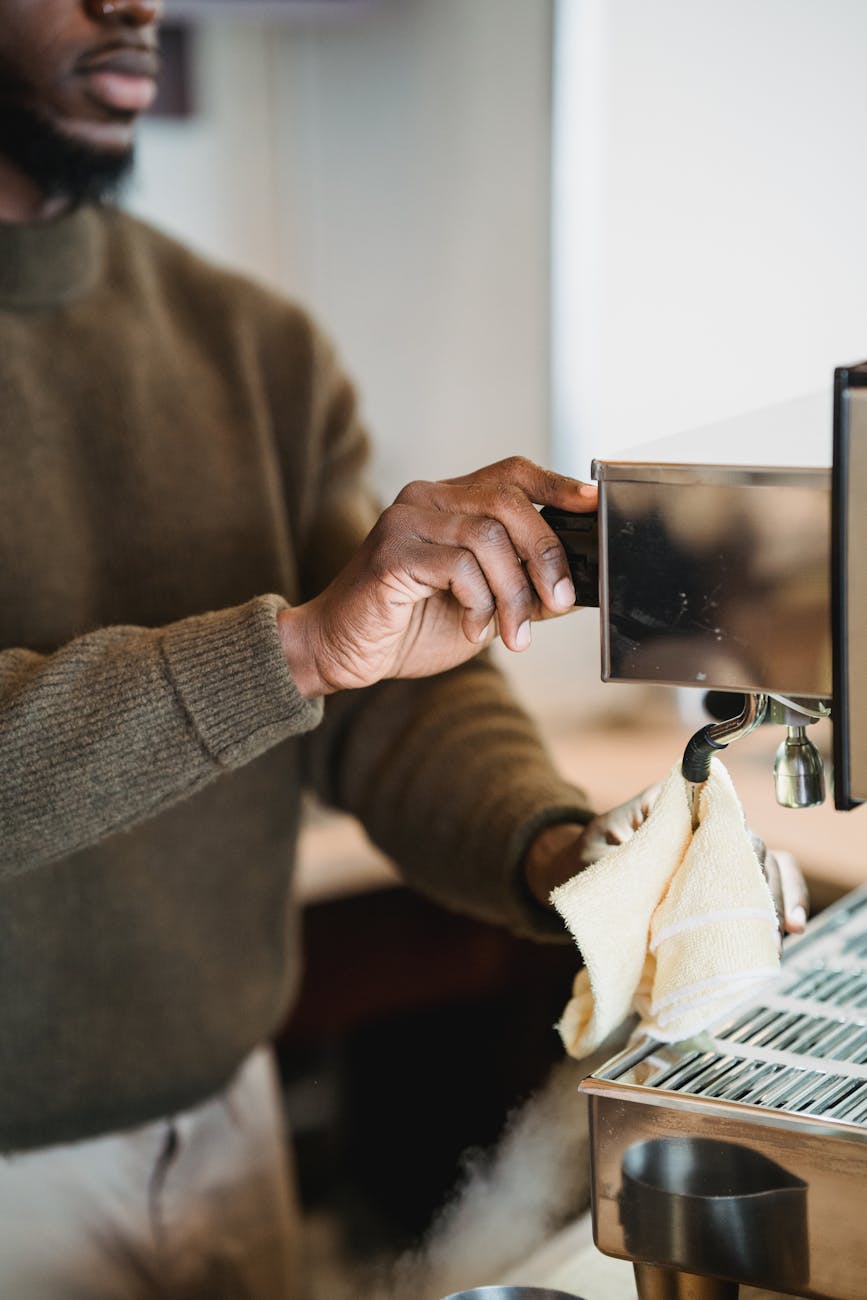
How to clean your Cafelat Robot after every session
The Cafelat Robot is a masterpiece of simplicity and engineering, delivering exceptional espresso with a fully manual process. Part of the joy of owning a Robot is its tactile nature, and that extends to its maintenance. A clean machine is the foundation of delicious, consistent coffee. Allowing coffee oils and fine grounds to build up can quickly turn a sweet, nuanced shot into a bitter, muddled disappointment. This article will guide you through a simple, effective cleaning routine to perform after every single session. Following these steps will take less than two minutes, but it will ensure your Cafelat Robot remains in peak condition, protecting its longevity and, most importantly, the flavor in your cup.
Why immediate cleaning is non-negotiable
It’s tempting to pull your shot, enjoy your espresso, and leave the cleanup for later. However, procrastination is the enemy of good coffee. The moment you finish your extraction, the clock starts ticking. The residual coffee oils left on the portafilter, basket, and dispersion screen begin to oxidize. When these oils turn rancid, they impart a stale, bitter flavor that will taint your next shot, no matter how perfect your beans or grind are. Furthermore, wet coffee grounds dry into a cement-like consistency, making them significantly harder to remove later. This caked-on residue can clog the fine holes of your basket and screen, leading to channeling and uneven extractions. More critically, fine particles can work their way up to the main silicone piston seal, causing premature wear and compromising the machine’s ability to build pressure.
The post-shot cleaning routine: A step-by-step guide
This routine is designed to be quick, efficient, and thorough. By making it a habit, you integrate it seamlessly into your coffee-making ritual. The entire process should take no more than two minutes.
- Dispose of the coffee puck immediately. After pulling your shot, lower the arms slightly to release pressure. Unlock the portafilter and turn it upside down over a knock box or compost bin. A firm tap should dislodge the puck in one piece. If it’s a bit wet or soupy, that’s okay; just knock out what you can. A clean puck release is a sign of a good extraction, but don’t worry if it’s not always perfect.
- Rinse the essential components. Take the portafilter, basket, and dispersion screen to the sink. Rinse them thoroughly under warm running water. Use your fingers or a soft brush to gently dislodge any remaining coffee grounds from the basket and the screen. Never use abrasive sponges, as they can scratch the metal surfaces. This step removes the vast majority of coffee residue.
- Wipe the piston seal and shower screen area. This is a crucial step that many people forget. Raise the Robot’s arms all the way up to fully expose the silicone piston seal. Take a damp, soft cloth and carefully wipe the seal and the area around it. This removes any fine coffee particles that may have splashed up during the extraction, protecting the seal from abrasive damage over time.
- Dry everything completely. Water, especially hard water, can leave mineral deposits on your equipment. Use a clean, dry microfiber or cotton cloth to thoroughly dry the portafilter, basket, and dispersion screen. Give the main body of the Robot a quick wipe-down as well. A dry machine is a happy machine, preventing water spots and any potential for corrosion.
Tools and supplies for a spotless clean
You don’t need a complicated arsenal of cleaning products to keep your Robot pristine. The beauty of its design is in its simplicity. Here are the essential and helpful tools for your daily cleaning routine.
| Tool | Purpose | Type |
|---|---|---|
| Microfiber cloth | Wiping the piston seal and drying all components without leaving lint. | Essential |
| Soft brush or sponge | Gently removing stubborn grounds from the basket without scratching it. | Essential |
| Knock box | Provides a dedicated, sturdy place to dispose of coffee pucks cleanly. | Helpful |
| Espresso machine cleaner (e.g., Cafiza) | Used for occasional deep cleaning to remove stubborn oil buildup, not for daily use. | Helpful |
Common mistakes to avoid
While cleaning the Robot is straightforward, a few common errors can inadvertently cause harm or affect your coffee’s taste. Being aware of these will help you maintain your machine correctly for years to come.
- Using soap or harsh detergents: Soaps and detergents can strip away the food-safe lubricant on the piston and leave behind a chemical residue. This residue will make its way into your next shot, creating unpleasant off-flavors. Warm water is all you need for daily cleaning.
- Putting parts in the dishwasher: The high heat and harsh detergents used in a dishwasher can damage the anodized aluminum finish of the Robot’s components. It can also degrade the silicone piston seal over time. Always hand wash.
- Neglecting the piston seal: As mentioned, forgetting to wipe the piston seal is a common oversight. This allows fine coffee grounds to act like sandpaper, slowly wearing down the seal and affecting your machine’s performance. Make it a mandatory part of your routine.
Conclusion
Keeping your Cafelat Robot clean is not a chore; it’s the final, crucial step in the art of making great espresso. This simple, two-minute ritual of knocking out the puck, rinsing the components, wiping the seal, and drying everything is a small investment that pays massive dividends. It directly protects the flavor integrity of your coffee by eliminating rancid oils and old grounds. Moreover, it significantly extends the life of your machine, particularly the all-important piston seal. By adopting this routine, you ensure that every time you approach your Robot, it’s ready to perform at its best. A clean machine is a reliable partner in your pursuit of the perfect shot, ensuring consistently delicious results day after day.
 No products in the cart.