

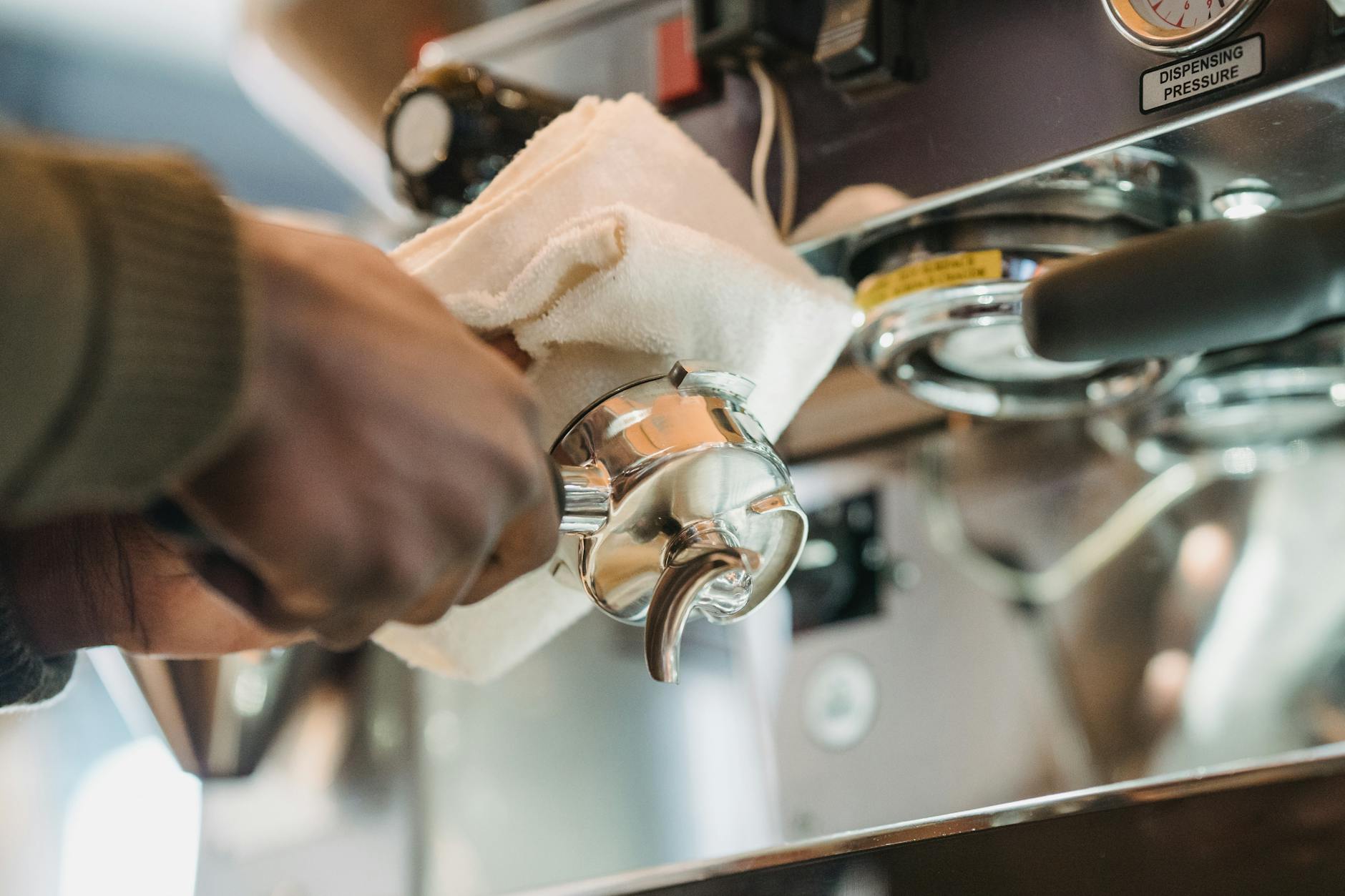
Is your Gaggia Classic Pro sputtering, struggling, or failing to produce any water from the group head? Before you panic and start shopping for a new espresso machine, take a deep breath. This common and frustrating problem is often caused by a simple, fixable issue: a clogged three-way solenoid valve. Over time, mineral scale from hard water and coffee oils can build up inside this critical component, creating a blockage that chokes the water flow. The good news is that with a little patience and a few basic tools, you can perform this maintenance yourself. This comprehensive guide will walk you through every step, from diagnosing the problem to disassembling, cleaning, and reassembling the valve, restoring your machine’s powerful performance and saving you a costly repair bill.
Understanding and diagnosing the solenoid valve problem
Before you start taking your machine apart, it’s essential to understand what the solenoid valve does and confirm it’s the source of your water flow issues. The three-way solenoid valve is the traffic cop for your Gaggia’s brew water. When you flip the brew switch, an electromagnet activates the valve, opening a path for water to flow from the boiler to the group head. When you turn the switch off, it closes this path and opens a third one, which relieves pressure from the group head and sends excess water to the drip tray. This is what gives you a dry, easy-to-knock-out coffee puck.
The tiny channels inside this valve are highly susceptible to clogging, especially if you use hard water. Mineral deposits, or scale, build up and restrict or completely block the flow. Here are the tell-tale signs of a clogged solenoid:
- No water from the group head: You flip the brew switch, the pump makes a loud straining noise, but only a few drips (or nothing at all) come out.
- Weak or sputtering flow: Your espresso shots are taking far too long to pull, and the stream is weak and inconsistent.
- The “steam wand test”: This is the most crucial diagnostic step. If you can get a strong, steady stream of hot water from the steam wand but not the group head, it almost certainly confirms the blockage is in the path after the boiler, pointing directly to the solenoid valve or group head.
It’s important to note that a standard descaling cycle may not be powerful enough to dislodge a stubborn clog. While regular descaling is vital for prevention, a significant blockage requires a more hands-on approach, which we’ll cover in the next steps.
Tools and safety precautions for the job
Working on any electrical appliance requires care and the right equipment. Fortunately, you don’t need a professional workshop to tackle this job. Gather these tools before you begin to ensure a smooth process.
Required tools:
- Phillips head screwdriver
- Set of open-ended wrenches or an adjustable wrench (13mm, 14mm, and 17mm are common sizes needed)
- A small bowl or container to hold screws and small parts
- Machine-safe descaling solution (Gaggia brand is recommended) or a 50/50 solution of white vinegar and water
- A small, stiff brush (an old toothbrush is perfect)
- A paperclip or pin for clearing tiny orifices
- A few towels to manage inevitable water spills
Safety first! Do not skip these precautions:
- Unplug your Gaggia Classic Pro from the wall outlet. This is the most critical step. Ensure there is absolutely no power going to the machine.
- Let the machine cool down completely. The boiler and internal components get extremely hot. Wait at least an hour after its last use to avoid serious burns.
- Work in a well-lit area on a stable surface where you can keep track of all the small parts. Taking photos with your phone at each stage of disassembly is an excellent way to remember how everything goes back together.
Step-by-step guide to removing and disassembling the valve
With your tools gathered and safety checks done, it’s time to get inside the machine. This process might seem intimidating, but by following these steps carefully, you’ll have the valve out in no time.
- Remove the top cover: Using your Phillips screwdriver, remove the screws holding the top lid of the machine in place. On the Gaggia Classic Pro, this usually involves removing the two screws in the water tank funnel and the screws on the top panel. Lift the lid off and set it aside.
- Locate the solenoid valve: Look inside the machine. The solenoid valve is a prominent brass block located near the front, just behind the group head. It has a black electromagnetic coil on top with wires connected to it and several tubes leading in and out.
- Disconnect the coil: Using a 13mm or 14mm wrench, carefully loosen and remove the nut on top of the black coil. Once the nut is off, you can gently wiggle and slide the entire black coil assembly upwards and off the valve shaft. Let it rest to the side; you don’t need to disconnect the wires.
- Remove the valve assembly: This is the trickiest part. The brass valve body is screwed directly into the boiler. You will need a wrench (often 17mm) for the valve body and potentially another wrench to hold the boiler fitting steady. Carefully turn the valve body counter-clockwise to unscrew it. Be prepared for some residual water to spill out—this is where your towels come in handy.
- Disassemble the valve: Once the assembly is free from the machine, you can take it apart. The thin shaft that the coil was on is the plunger tube. Unscrew this from the main brass body. Inside, you will find a small spring and a tiny metal plunger with a rubber seal. These are the moving parts that get stuck. Inspect them for scale and grime.
Cleaning, reassembling, and testing your work
Now for the most satisfying part: cleaning the gunk out and restoring function. Be meticulous here, as even a tiny piece of scale can cause a blockage.
The cleaning process:
- Soak the components: Place all the metal parts of the valve (the brass body, plunger tube, plunger, and spring) into your small bowl and cover them with your descaling solution. Let them soak for 20-30 minutes. You may see the solution start to fizz as it dissolves the mineral deposits.
- Scrub and clear: After soaking, use your toothbrush to scrub all the parts, paying close attention to the threaded areas and internal channels. Now, use your paperclip or pin to gently poke through the small holes in the brass body to ensure they are completely clear. This is where the blockage usually hides.
- Rinse thoroughly: Once clean, rinse every component with fresh water to remove all traces of the descaling solution. Dry the parts completely.
Reassembly and testing:
Reassembly is simply the reverse of the steps you just followed. Place the spring and plunger back into the valve body, screw the plunger tube on top, and carefully screw the entire assembly back into the boiler. Tighten it to be snug, but do not overtighten and risk stripping the brass threads. Slide the coil back on, secure it with the nut, and put the machine’s top lid back on.
Fill the water tank, plug the machine in, and turn it on. Place a cup under the group head and flip the brew switch. You should be rewarded with a strong, even flow of water. Congratulations, you’ve just serviced your own machine!
Troubleshooting summary
| Symptom | Most likely cause | Recommended solution |
|---|---|---|
| No water from group head, but steam wand works fine. Pump sounds strained. | Complete blockage in the solenoid valve. | Perform a full disassembly and deep cleaning of the solenoid valve. |
| Weak, sputtering, or inconsistent flow from the group head. | Partial clog in the solenoid valve or general scale buildup. | Attempt a standard descaling cycle first. If the problem persists, clean the solenoid valve. |
| Water continues to drip from the group head after brewing. | Solenoid plunger is not seating properly due to debris or a worn seal. | Clean the solenoid valve. If the problem continues, the plunger’s rubber seal may need to be replaced. |
In conclusion, a non-functional Gaggia Classic Pro due to water flow issues is a common headache that is often entirely fixable at home. The culprit is almost always a solenoid valve clogged with mineral scale and coffee residue. By following a logical process of diagnosis, safe disassembly, and thorough cleaning, you can effectively resolve this problem yourself. This guide has shown you how to identify the symptoms, gather the necessary tools, and meticulously remove, clean, and reinstall the valve. Completing this maintenance not only saves you money on professional repairs but also deepens your understanding of your espresso machine. Remember, preventing future clogs through regular descaling and the use of filtered water is the best way to ensure your Gaggia Classic Pro provides you with delicious espresso for years to come.
 No products in the cart.