

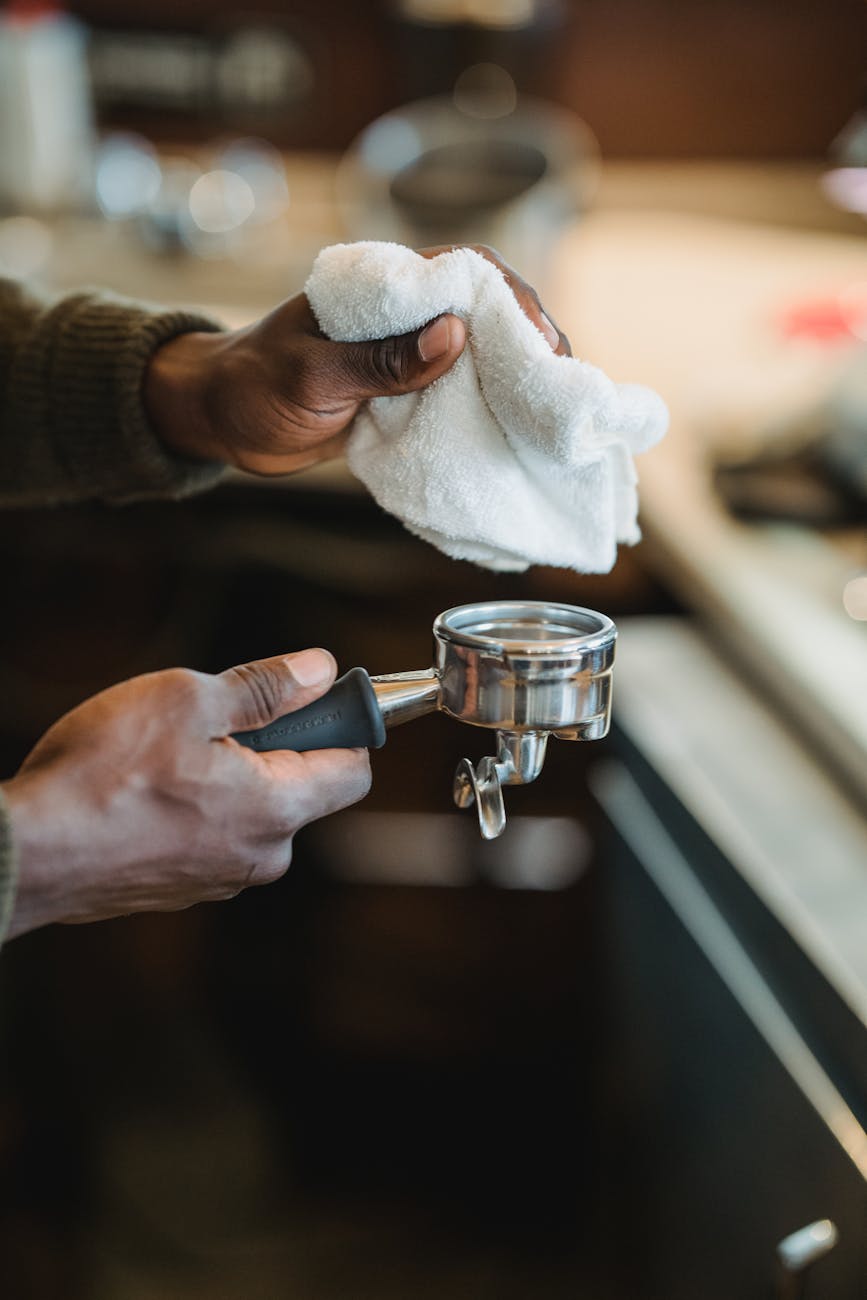
How to clean a bottomless portafilter to maintain its appearance
A bottomless portafilter is more than just a tool; it’s a window into the heart of your espresso shot. Watching the syrupy streams converge into a single, perfect cone is a daily reward for any coffee enthusiast. But with great visibility comes great responsibility. The very design that lets you diagnose your shot also puts every coffee oil stain and water spot on full display. Over time, that brilliant chrome or stainless steel can become dull and tarnished, detracting from the beauty of your setup. This guide will walk you through the essential steps to not only clean your bottomless portafilter for better-tasting coffee but also to maintain its pristine, mirror-like finish for years to come.
The daily ritual for a lasting shine
The secret to a perpetually clean portafilter isn’t a single, intensive cleaning session; it’s the consistent, small habits you build into your coffee routine. The most critical moments for cleaning happen in the 60 seconds right after you pull your shot. Letting coffee oils sit and bake onto the hot metal is what leads to stubborn, hard-to-remove residue.
Follow these simple steps immediately after every extraction:
- Knock and rinse: As soon as you’ve finished your shot, knock the used coffee puck into your knock box. Immediately take the portafilter to your machine’s group head and run hot water through it, rinsing away any loose grounds and oils.
- The crucial wipe-down: This is the step most people miss. After rinsing, grab a dedicated, dry microfiber cloth and thoroughly wipe the entire metal head of the portafilter, inside and out. A wet rinse cleans, but a dry wipe prevents mineral deposits from the water from drying on the surface. These deposits, or water spots, are what make a shiny finish look dull and cloudy over time.
- Store it properly: Avoid locking the clean portafilter back into the hot group head for storage. While common in cafes, this constant heat can cause residual moisture to evaporate and leave stains. It’s better to leave it resting on your drip tray or on a tamping mat.
This entire process takes less than a minute but makes a world of difference. It prevents the daily buildup that transforms into a weekend-long cleaning project.
The weekly deep clean to dissolve stubborn oils
Even with diligent daily care, a fine layer of coffee oil will inevitably build up, especially in the small crevices around where the basket sits. These oils can turn rancid and negatively impact the flavor of your espresso. A weekly or bi-weekly deep clean is essential to dissolve this residue and restore both the taste and the appearance of your equipment.
For this, you’ll need a dedicated espresso machine cleaning powder like Cafiza or Puly Caff. These are specially formulated to break down coffee oils without damaging the metal.
- Step 1: Disassemble. Remove the filter basket from your portafilter. This is also a great time to clean the basket itself, as oils get trapped in its fine holes.
- Step 2: Prepare the soak. In a small bowl or pitcher, dissolve about half a teaspoon of the cleaning powder in hot water. The container should be large enough to submerge the metal part of the portafilter head.
- Step 3: Soak with care. Place the portafilter head into the solution. Crucially, do not submerge the handle. The harsh cleaning solution can strip the finish from wood, and damage plastic or rubber handles over time. Rest the handle on the edge of the container to keep it dry.
- Step 4: Wait and scrub. Let the portafilter soak for about 20-30 minutes. You’ll see the water turn a murky brown as the oils dissolve. For any remaining tough spots, use a soft-bristled brush (an old toothbrush works well) to gently scrub them away.
- Step 5: Rinse and dry. Rinse the portafilter head thoroughly under fresh, running water to remove all traces of the cleaning solution. Finally, dry it completely with your microfiber cloth to prevent water spots and bring back that brilliant shine.
Restoring the luster: Polishing and tarnish removal
Over months and years, your portafilter might lose some of its original luster due to micro-scratches or slight tarnishing, especially if it’s made of brass or has chrome plating. This stage is less about sanitation and all about aesthetics. A gentle polish can bring it back to life.
Before you begin, ensure the portafilter is completely clean and dry by following the deep cleaning steps above. For polishing, you should always use a food-safe or non-toxic product and rinse with extreme thoroughness afterward.
A great option is a paste made from baking soda and a few drops of water. It’s mildly abrasive and effective at removing light tarnish without being too harsh. For more stubborn discoloration, a product like Bar Keepers Friend can be used sparingly. Apply a small amount to a damp, soft cloth and gently rub the exterior surfaces of the portafilter head in small, circular motions. Focus on the areas that have lost their shine. Once you’re satisfied, the most important step is to rinse, rinse, and rinse again. You must remove every trace of the polishing agent before the portafilter comes into contact with your coffee machine again. Finish by buffing it with a clean, dry microfiber cloth.
Key do’s and don’ts for portafilter maintenance
Maintaining your bottomless portafilter is straightforward once you know the rules. Following a few simple guidelines will prevent damage and keep it looking its best. Here is a quick reference table to summarize the best practices.
| Action | Why it’s important | Frequency |
|---|---|---|
| Do: Rinse and wipe with a dry cloth after every shot. | Prevents immediate oil buildup and water spots that dull the finish. | Daily |
| Do: Perform a weekly soak in espresso machine cleaner. | Dissolves stubborn, flavor-altering coffee oils. | Weekly |
| Do: Remove the filter basket before a deep clean. | Allows you to clean both components thoroughly. | Weekly |
| Don’t: Put it in the dishwasher. | Harsh detergents and high heat can ruin the handle and damage the metal plating. | Always |
| Don’t: Soak the handle. | Chemicals can strip the finish from wood or damage plastic. | Always |
| Don’t: Use steel wool or abrasive scourers. | These will create deep scratches in the chrome or stainless steel finish. | Always |
By integrating these habits, you’re not just cleaning; you’re actively preserving the quality and beauty of your coffee equipment.
Conclusion: A reflection of your craft
Your bottomless portafilter is a testament to your passion for great espresso. Keeping it clean is about more than just hygiene; it’s about respecting the craft. A gleaming, well-maintained portafilter is a reflection of the care you put into every cup. By adopting a simple daily ritual of rinsing and wiping, committing to a weekly deep soak to eliminate oils, and occasionally polishing away any tarnish, you ensure its longevity and appearance. This approach breaks the task down into manageable, effective steps. In the end, you’ll be rewarded with not only better-tasting, more consistent espresso but also the satisfaction of using a beautiful tool that looks as good as the day you bought it.


 No products in the cart.