

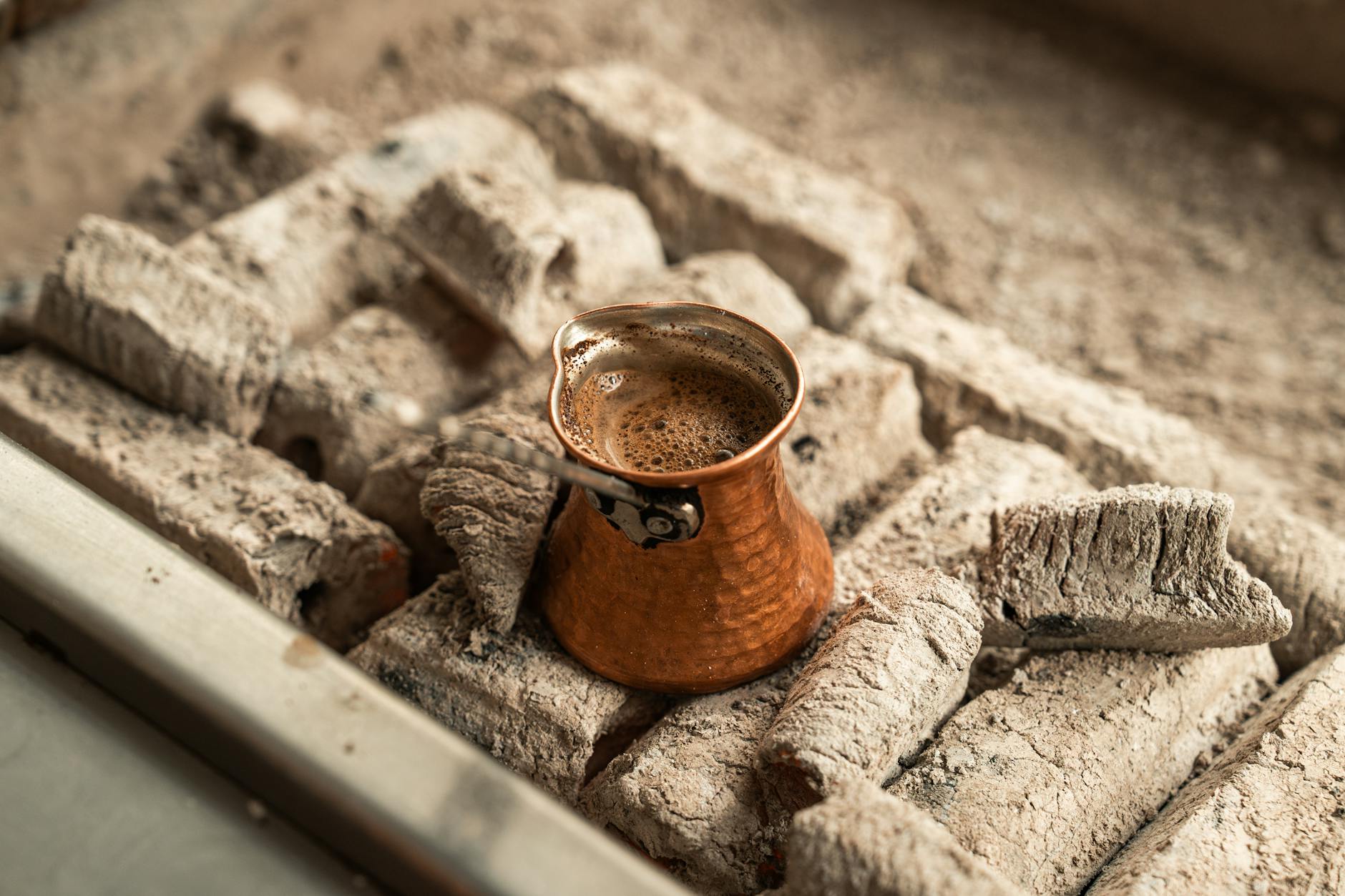
How to achieve persistent foam in Turkish coffee every time
Turkish coffee is more than just a beverage; it’s a cultural ritual steeped in tradition and savored for its bold flavor and unique preparation method. The crowning glory of a perfectly brewed cup is its thick, velvety foam, known as köpük. This creamy layer is not just for aesthetics; it locks in the aroma and heat, promising a rich experience with the very first sip. However, for many aspiring brewers, achieving this persistent foam can be an elusive art. It often collapses quickly or fails to form altogether. This guide will demystify the process, providing you with the essential techniques, ingredient knowledge, and insider tips to master the art of the perfect köpük and brew an exceptional cup of Turkish coffee every single time.
The foundation of a perfect foam: Ingredients and tools
Before you even think about turning on the heat, the success of your foam begins with your setup. The quality and type of your ingredients, along with the right equipment, create the ideal conditions for a rich and stable köpük. Overlooking this foundational step is where most mistakes are made.
The coffee grind is non-negotiable. You must use coffee that is ground to a fine, powder-like consistency, even finer than espresso. This talcum-powder texture is essential because it allows for maximum extraction of oils and soluble solids, which are the building blocks of the foam. A coarser grind simply won’t work. For the best results, use 100% Arabica beans, which are traditional and known for their aromatic qualities. Freshly ground coffee is always superior as it contains more trapped CO2, which significantly contributes to a more robust foam.
Always start with cold water. Using cold, preferably filtered, water is a critical step. It ensures a slow and gradual heating process. This slow climb in temperature gives the coffee grounds ample time to release their flavorful compounds and oils, which gently rise to the surface to create the delicate foam. Starting with hot water rushes the brewing, causing the coffee to boil too quickly and destroying any foam before it can stabilize.
The right pot makes a difference. The traditional pot, called a cezve (or ibrik), is specifically designed for this brewing method. Its wide base allows for even heat distribution, while its long handle keeps your hand safe. Most importantly, its narrow neck helps trap the foam as it rises, making it easier to build a thick layer. A copper cezve is considered the gold standard as copper is an excellent heat conductor, but stainless steel versions also work well. Be sure to use a cezve that is the appropriate size for the number of cups you are making; too much empty space can make foam formation difficult.
The brewing technique for maximum foam
With the right ingredients and tools at hand, your focus now shifts to the technique. The brewing process is a delicate dance of temperature control and timing. It’s a gentle process that can’t be rushed. Follow these steps carefully to guide the foam into existence.
First, combine your ingredients in the cezve before placing it on the heat. The standard ratio is one demitasse cup (about 60-70 ml) of cold water per heaping teaspoon of coffee. If you take sugar, add it now. Stir the mixture just a few times until the coffee grounds are submerged and any sugar is dissolved. Once you place the cezve on the heat, you must not stir it again. Stirring at this point will break the surface tension and collapse the forming foam.
Place the cezve on the lowest possible heat setting. Patience is your greatest ally here. As the coffee gently heats, you will see a dark ring forming around the edge. Slowly, this will develop into a thicker, lighter-colored layer of foam that covers the entire surface. Watch it closely. The foam will begin to rise. The most crucial moment is just before the coffee comes to a boil. You want to lift the cezve off the heat the very second the foam rises and threatens to spill over. Never let it reach a rolling boil, as this will burn the coffee and instantly destroy all your hard-earned foam.
Once you’ve lifted the cezve, use a teaspoon to carefully skim the top layer of foam and distribute it evenly among your serving cups. This ensures every guest receives a generous portion of the best part. After distributing the foam, you can return the cezve to the low heat and bring it to a rise a second time for a little extra body, but the first foam is the most important and stable.
Common mistakes and how to avoid them
Even with the best intentions, it’s easy to make a small error that sabotages your foam. Understanding these common pitfalls is key to consistently producing a perfect cup. Many people become frustrated when their coffee turns out bitter and foam-less, but the solution is often a simple adjustment to their technique.
The most frequent error is using excessive heat. Turkish coffee should never be rushed. High heat causes a violent boil that obliterates the delicate foam structure and extracts bitter compounds from the grounds. Always use the lowest heat setting on your stove to allow for a slow, controlled brew.
Another critical mistake is stirring the coffee after heating has begun. The initial stir is only to combine the cold water, coffee, and sugar. Any subsequent stirring will disrupt the delicate layer of foam as it forms on the surface, causing it to dissipate. Resist the temptation to stir, no matter what. Let the heat do the work. By avoiding these common errors, you’re already halfway to a perfect cup.
| Mistake | Why it ruins the foam | The solution |
|---|---|---|
| Over-boiling | A rolling boil violently agitates the coffee, causing the delicate bubbles of the foam to collapse instantly. It also makes the coffee taste bitter. | Remove the cezve from the heat just as the foam rises, before it boils over. Use very low heat. |
| Stirring after heating | Stirring breaks the surface tension and destroys the foam layer as it tries to form. | Only stir at the very beginning when the water is still cold. Do not touch it after placing it on the heat. |
| Using the wrong grind | Medium or coarse grounds do not have enough surface area to release the oils and solids needed to create a stable foam. | Insist on a powder-fine Turkish grind. If grinding at home, use a burr grinder on its finest setting. |
| Starting with hot water | This rushes the process, not allowing enough time for the foam to develop slowly and build its structure. | Always start with cold, fresh water to ensure a slow, gradual heating process. |
Serving and final touches for a velvety finish
You’ve successfully brewed a coffee with a beautiful cap of foam. The final step is serving it correctly to preserve that hard work. The way you pour and present the coffee is just as important as how you brew it.
After you have spooned the initial foam into the cups, it’s time to pour the remaining coffee. Do this slowly and gently. Tilt the cup and pour the liquid down the side, under the foam you’ve already placed there. This prevents the stream of coffee from “crashing” into the foam and disturbing it. Fill each cup about three-quarters full.
Once poured, let the coffee rest for a minute or two. This crucial pause allows the fine grounds to settle at the bottom of the cup, ensuring a pleasant, grit-free drinking experience until the last sip. It also allows the foam to set and become even more stable. Traditionally, Turkish coffee is served with a glass of cold water to cleanse the palate before drinking and a sweet treat, such as Turkish delight (lokum), to complement the coffee’s bold flavor. This completes the authentic ritual and elevates the experience from a simple coffee break to a moment of indulgence.
Conclusion
Mastering the art of Turkish coffee foam is not about a secret trick but about respecting a time-honored process. It boils down to a few key principles: start with the right foundation of powder-fine coffee and cold water, use a proper cezve, and embrace a slow, gentle heating process. The technique of brewing on low heat, capturing the foam just before the boil, and distributing it carefully is the core of the method. By avoiding common mistakes like over-boiling or stirring at the wrong time, you pave the way for success. With a little practice and attention to these details, you will no longer have to hope for good foam—you will be able to create it every single time, rewarding yourself with a truly authentic and delicious cup.

 No products in the cart.