

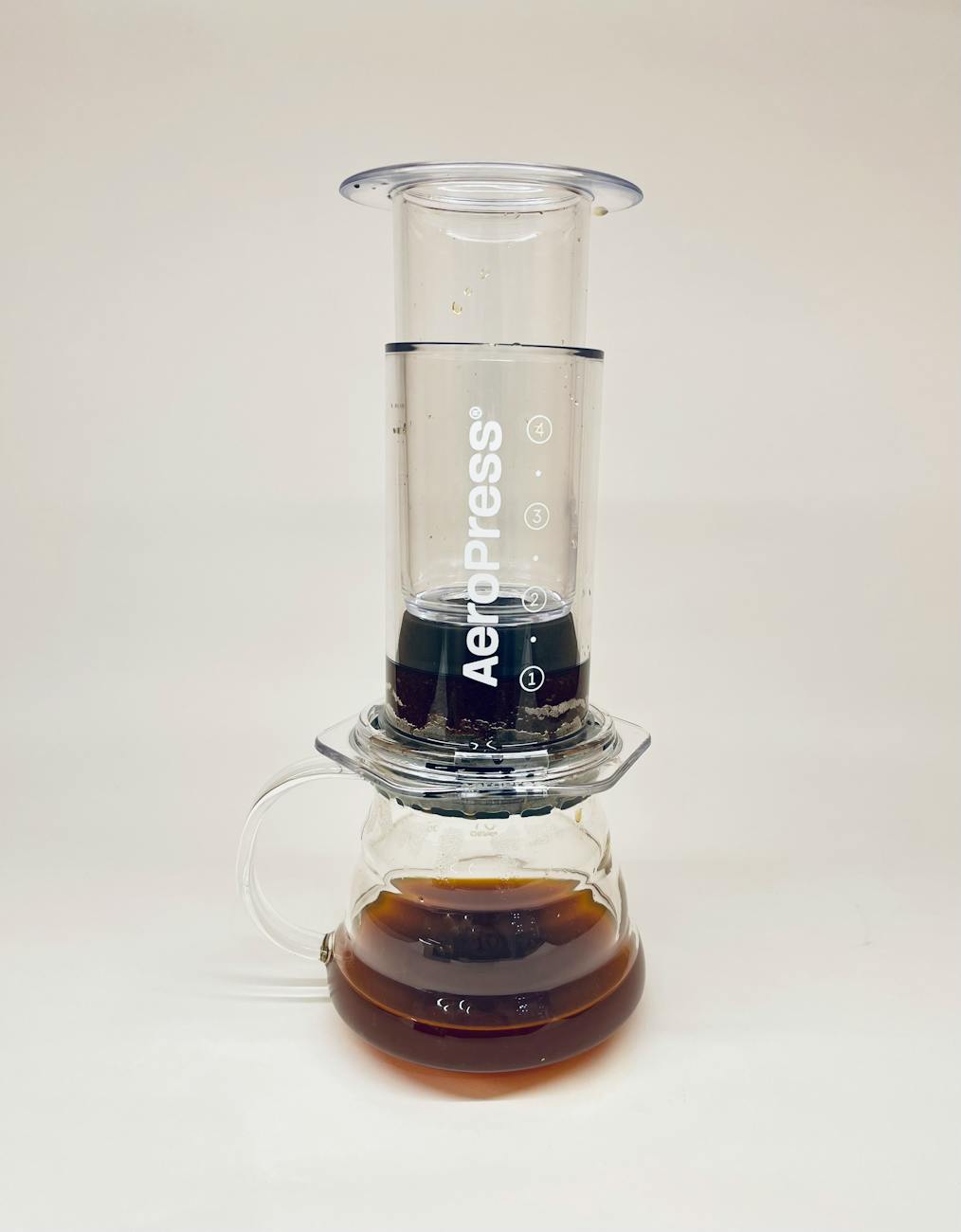
The AeroPress is celebrated by coffee lovers worldwide for its versatility, simplicity, and ability to produce an exceptionally clean cup of coffee. But can this lightweight, plastic brewer replicate the rich, syrupy texture of a true espresso? While it can’t generate the 9 bars of pressure of a commercial espresso machine, the AeroPress can get remarkably close to mimicking its signature body and concentration. Achieving this requires a shift in technique from a standard AeroPress recipe. This article will guide you through the essential adjustments, from selecting the right grind size and ratio to mastering the plunge. We will explore how to manipulate key variables to extract a short, powerful, and deliciously viscous shot of coffee that stands on its own or serves as a perfect base for a latte or cappuccino.
Understanding the goal: Texture over crema
Before we dive into the recipe, it’s crucial to set realistic expectations. A true espresso is defined by the intense pressure that extracts soluble solids and emulsifies oils, creating a thick body and a stable layer of foam called crema. The AeroPress, being a manual device, simply cannot produce this level of pressure. Therefore, our primary goal isn’t to create crema; any foam produced will be thin and dissipate quickly. Instead, our focus is entirely on texture and concentration. We are aiming for a coffee that feels heavy, round, and syrupy on the palate, with the powerful flavor profile of an espresso shot. By optimizing our technique, we can force more oils and non-dissolved solids into the cup, which is the secret to achieving that coveted viscous mouthfeel.
Dialing in the fundamentals: Grind and ratio
The foundation of any good coffee recipe lies in two variables: grind size and the ratio of coffee to water. For an espresso-like shot, both must be adjusted dramatically from a standard brew. You need to grind your coffee much finer than usual, aiming for a consistency that is just slightly coarser than a true espresso grind. Think of the texture of table salt or fine sand. This fine grind increases the surface area of the coffee, allowing the water to extract flavors and oils quickly and efficiently. If you grind too fine, however, you may find it impossible to press the plunger through.
Equally important is the brew ratio. While a typical filter coffee uses a ratio around 1:16 (1 gram of coffee for every 16 grams of water), our espresso-style shot requires a much tighter, more concentrated ratio. A great starting point is 1:2.5. For example, you would use 18 grams of finely ground coffee and just 45 grams of water. This low water volume is key to preventing a thin, watery brew and ensuring the final output is potent and concentrated, much like a real ristretto or espresso shot.
Building resistance: Tamping and filters
Unlike a regular brew where coffee grounds are left loose, creating an espresso-like shot requires creating a compact and level “puck” of coffee. After adding your finely ground coffee to the AeroPress chamber (the inverted method is highly recommended here to prevent dripping), use the back of a spoon or the plunger itself to gently but firmly tamp the grounds down. The goal is to create an evenly dense bed of coffee. This puck provides resistance against the water, forcing it to saturate the grounds evenly and helping to build the pressure needed to extract the oils that contribute to a thick body.
Your choice of filter also plays a significant role. Standard paper filters are designed to absorb oils, resulting in a cleaner, lighter-bodied cup. To maximize texture, consider using a reusable metal filter. Metal filters allow microscopic coffee particles and, most importantly, precious oils to pass through into your cup. This directly translates to a heavier, more viscous mouthfeel that is far closer to what you would expect from an espresso machine.
The final push: Mastering the plunge
With your coffee ground, tamped, and your water added, the final step is the plunge. This is where you manually generate the pressure that defines the brew. The key is to press slowly and firmly. It should feel difficult. Place the AeroPress on a sturdy mug and apply steady, consistent downward pressure. Your goal should be a total plunge time of around 30 to 45 seconds. If you can press it down in 10 seconds, your grind is likely too coarse or you didn’t tamp effectively.
This slow, high-pressure plunge is what forces the water through the compact puck, extracting a high concentration of flavor and emulsifying the oils. Be sure to stop pressing as soon as you hear a hissing sound. This sound indicates that all the water has been pushed through, and continuing to press will only force air through the grounds, which can add bitter, acrid flavors and thin out your shot. The small, concentrated liquid in your cup is now ready to be enjoyed.
Sample recipe at a glance
Use this table as a starting point for your experiments. Remember to adjust one variable at a time to see how it impacts the final result.
| Variable | Recommendation | Notes |
| Method | Inverted | Prevents premature dripping and gives you full control over steep time. |
| Coffee Dose | 18-20 grams | A strong dose is needed for a concentrated flavor. |
| Grind Size | Fine | Slightly coarser than a true espresso grind. Similar to table salt. |
| Water Temperature | 90-94°C (195-202°F) | Using water just off the boil prevents scorching the fine grounds. |
| Water Amount | 45-50 grams | This creates a tight 1:2.5 ratio for maximum concentration. |
| Technique | Tamp grounds lightly | Creates an even puck for better extraction and pressure build-up. |
| Plunge Time | 30-45 seconds | A slow, steady press is crucial for building pressure and extracting oils. |
While the AeroPress will never be a true espresso machine, it is a remarkably capable brewer that can get you surprisingly close to the desired result. By shifting your focus from creating crema to maximizing texture, you can unlock a new side of your device. The secret lies in a combination of a fine grind, a highly concentrated coffee-to-water ratio, a well-tamped puck of coffee, and a slow, deliberate plunge that generates significant manual pressure. This technique extracts the rich oils and solids responsible for that delicious, syrupy mouthfeel. The resulting shot is intensely flavorful and concentrated, serving as a powerful and satisfying coffee experience on its own or as the perfect, robust base for your favorite milk-based drinks.

 No products in the cart.