

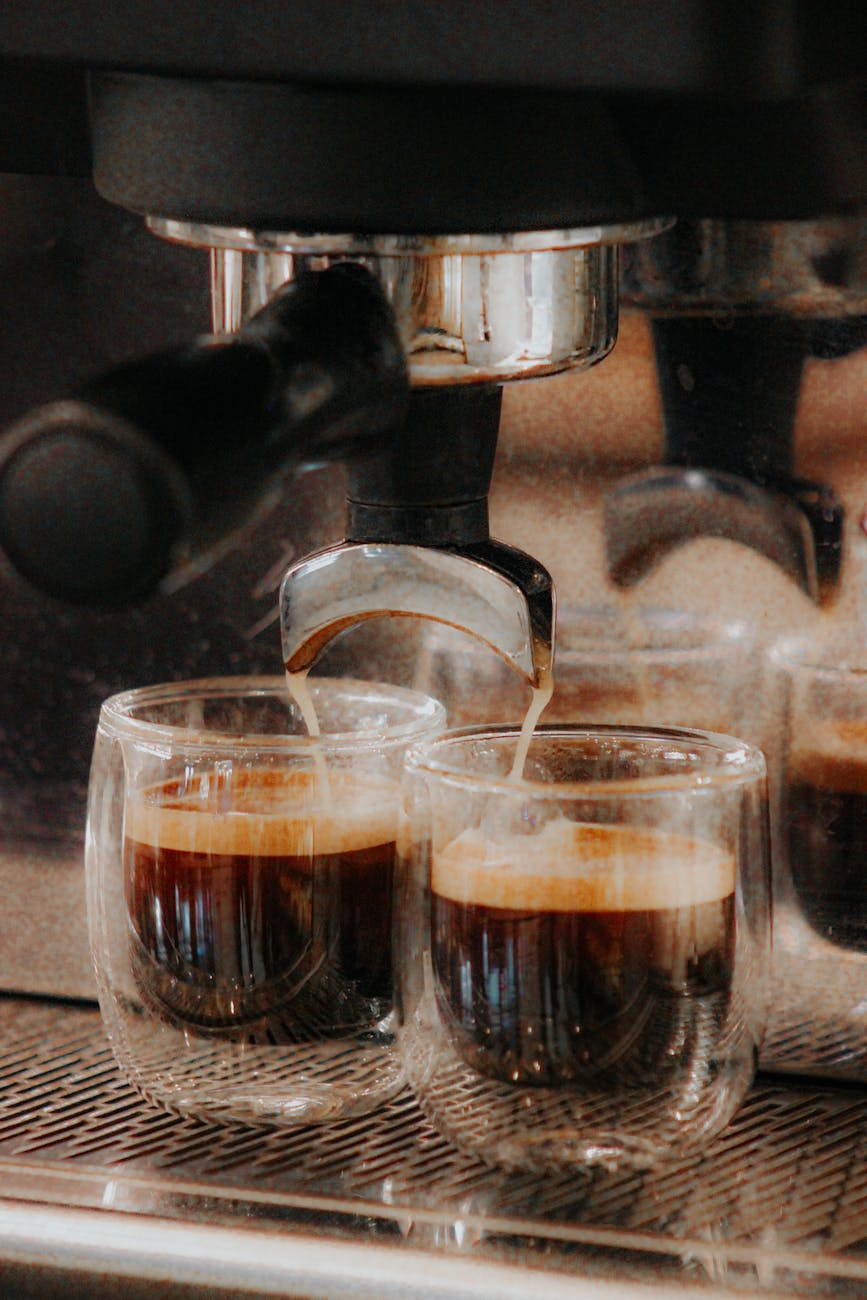
How to achieve cafe-quality crema with a manual espresso press
The pursuit of the perfect espresso shot at home often centers on one visual cue: a rich, velvety, and persistent layer of crema. This tiger-striped crowning glory is more than just foam; it’s the hallmark of a well-extracted shot, promising a complex flavor and a luxurious mouthfeel. For owners of manual espresso presses, achieving this cafe-quality standard can seem like a daunting task. Without automated pumps and digital controls, the responsibility falls entirely on your technique. However, this is also where the magic lies. This guide will demystify the process, breaking down the essential variables from bean to cup. We will explore how to master your manual press to consistently pull beautiful, crema-rich shots that rival those from your favorite cafe.
Understanding the science of crema
Before we can create great crema, it’s crucial to understand what it is. Crema is not just air bubbles. It’s a complex and delicate emulsion of coffee oils and carbon dioxide (CO2) gas, created when hot water is forced through finely-ground coffee at high pressure. The CO2 is a natural byproduct of the coffee roasting process and is trapped within the beans’ cellular structure. When you extract espresso, the high pressure dissolves this gas into the water. As the liquid exits the portafilter and returns to normal atmospheric pressure, the gas comes out of the solution, forming thousands of microscopic bubbles that are then trapped by the coffee’s natural oils and lipids.
A good crema is an indicator of several key factors:
- Bean freshness: Freshly roasted beans contain the most CO2. As beans age, this gas dissipates, making it increasingly difficult to produce a thick, stable crema.
- Proper extraction: The color and texture of the crema tell a story. A pale, thin crema suggests under-extraction, while a dark, splotchy, or overly bubbly crema can point to over-extraction or channeling.
- Technique: On a manual press, the stability and quality of the crema are a direct reflection of your ability to manage pressure and temperature.
In essence, crema contributes significantly to the sensory experience of espresso, providing a unique texture and carrying many of the shot’s aromatic compounds.
The four pillars of extraction mastery
Achieving a beautiful crema isn’t about one single trick; it’s about the synergy between four key elements. With a manual press, you have direct control over each one. Getting them to work in harmony is the goal.
1. The coffee beans
Everything starts with your raw material. You cannot produce good crema from stale or poor-quality beans. Freshness is the most critical factor. Aim for beans that are between four days and three weeks past their roast date. This is the sweet spot where the beans have had enough time to de-gas some CO2 (preventing overly frothy shots) but still retain enough for a rich crema. While medium and dark roasts tend to produce a more robust crema due to a higher concentration of surface oils, a skilled barista can coax a delicate, reddish-gold crema from a light roast as well.
2. The grind
Your grinder is arguably more important than your espresso machine. For a manual press, you need a fine, consistent grind. Think of something slightly finer than table salt. An inconsistent grind, with both large and small particles, will lead to channeling—where water finds the path of least resistance and bypasses parts of the coffee puck. This results in a shot that is both under- and over-extracted, with a weak and fleeting crema. A quality burr grinder is non-negotiable as it provides the uniformity required for an even extraction.
3. Puck preparation: Dose and tamp
Once you have the right grind, you must prepare the coffee puck correctly. Dosing consistently is key; use a scale to measure your coffee to within 0.1 grams every time. After dosing, distribute the grounds evenly in the basket to avoid high or low-density spots. Then, tamp with firm, level pressure. The goal is not to press as hard as you can, but to create a uniformly compacted puck of coffee that will provide even resistance to the water. A level tamp is more important than a hard tamp.
4. Water temperature and pressure
This is where manual presses truly shine. Unlike automatic machines with a set pressure, you control the entire pressure profile.
- Temperature: The ideal water temperature is between 90-96°C (195-205°F). Too cool, and you’ll get a sour, under-extracted shot. Too hot, and you’ll scorch the coffee. It’s vital to preheat your manual press’s brew chamber and portafilter to maintain thermal stability throughout the shot.
- Pressure profiling: The art of manipulating pressure during the shot is your greatest tool. Start with a low-pressure pre-infusion (2-3 bars) for 5-10 seconds. This gently saturates the puck, reducing the chance of channeling when you apply full pressure. Then, smoothly ramp up the pressure to your target, typically 8-9 bars, for the main extraction. A smooth, steady application of pressure is what builds that thick, syrupy crema.
Dialing in your shot: A troubleshooting guide
Dialing in is the process of adjusting variables to perfect your extraction. The key is to only change one variable at a time. Start with a standard recipe, for example, a 1:2 ratio (e.g., 18 grams of coffee in, 36 grams of espresso out) in about 25-30 seconds. If your shot isn’t right, use the crema and taste as your guide and consult the table below.
| Problem | Likely Cause (Extraction Issue) | Primary Solution |
|---|---|---|
| Shot flows too fast; crema is thin, pale, and disappears quickly. Taste is sour. | Under-extraction | Grind finer. This will increase resistance and slow the shot down. |
| Shot chokes the machine or flows very slowly; crema is dark, splotchy, and thin. Taste is bitter. | Over-extraction | Grind coarser. This will reduce resistance and allow the water to flow more easily. |
| Crema looks good but tastes very bitter. | Channeling or high temperature | Check your puck prep for evenness. Lower your water temperature by a few degrees. |
| No crema, even with a good shot time. | Stale beans | Buy freshly roasted coffee. This is the most common culprit for a lack of crema. |
Remember that every manual press is different. Whether you’re using a Flair, Robot, or Cafelat, learning its specific thermal properties and how it responds to your input is part of the journey. Keep a notebook, log your parameters (dose, grind setting, time), and taste everything. This methodical approach will quickly lead you to that perfect, crema-laden shot.
The rewarding art of manual espresso
Achieving a thick, stable, cafe-quality crema with a manual espresso press is a deeply satisfying experience. It signifies that you have successfully balanced the core elements of extraction. It’s a testament not to a machine’s programming, but to your own skill and understanding of the coffee. We’ve seen that the secret lies in a holistic approach: starting with fresh, quality beans, achieving a precise and uniform grind, practicing meticulous puck preparation, and mastering the delicate dance of water temperature and pressure profiling. The direct, tactile feedback of a manual lever gives you unparalleled control over this process, particularly with pre-infusion and pressure modulation. While the learning curve can be steep, the reward is an espresso shot, crowned with a perfect crema, that is truly your own creation.



 No products in the cart.