

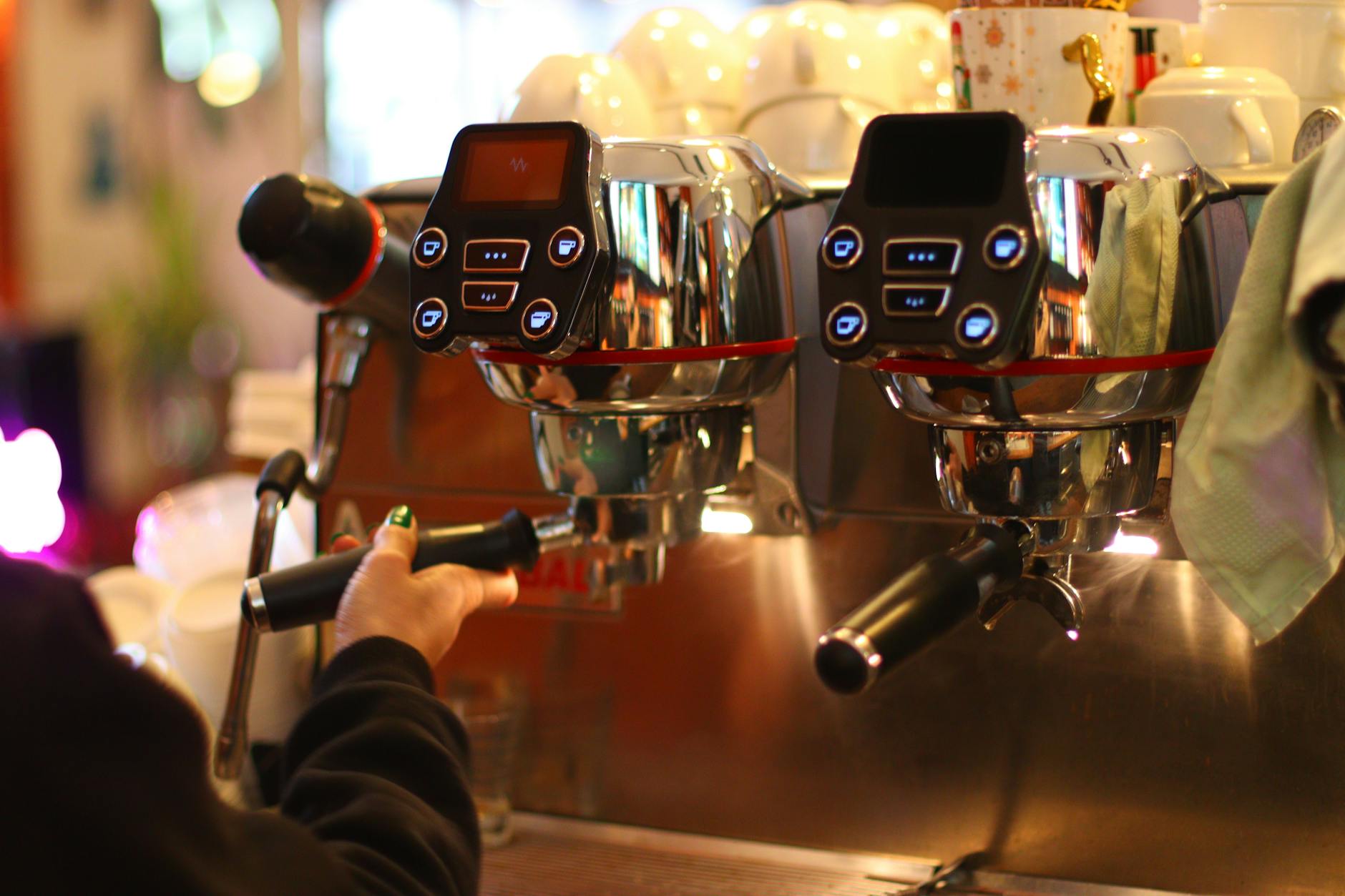
The Gaggia Classic Pro is a legend in the world of home espresso, offering a robust platform for aspiring baristas. However, it comes from the factory with one significant quirk: a pump pressure set far above the industry standard. While most commercial machines operate at a gentle 9 bars, the Gaggia often pushes water through the coffee at 12, 14, or even 15 bars. This is where the 9 bar Over-Pressure Valve (OPV) mod comes in. It’s more than just a simple spring swap; it’s a modification that fundamentally redefines your relationship with the machine. This article will explore how installing a 9 bar OPV spring completely transforms your Gaggia espresso workflow, from puck preparation to the final taste in the cup.
Understanding pressure and the stock Gaggia experience
To appreciate the change, we must first understand the problem. In espresso, pressure is the force used to push water through a tightly packed bed of finely ground coffee. The widely accepted sweet spot for this process is around 9 bars. This pressure is high enough to create the rich, syrupy body and crema we love, yet gentle enough to extract flavors evenly and avoid pulverizing the coffee puck.
A stock Gaggia Classic Pro, however, operates with a much higher pressure. This is a remnant of its design for use with pressurized filter baskets and pre-ground coffee, which require more force. When used with a bottomless portafilter and freshly ground coffee, this excessive pressure becomes a liability. It creates a volatile and unforgiving environment where even the slightest imperfection in your technique is punished severely. This high-pressure environment forces a very specific, and often frustrating, workflow on the user.
The pre-mod workflow: a battle against channeling
Making espresso on a stock Gaggia Classic Pro can feel like a constant struggle for control. The entire workflow is dictated by the need to tame the machine’s aggressive pressure.
- Ultra-fine grind: To slow down the 12-15 bars of water pressure, you are forced to grind your coffee extremely fine. This creates a dense, low-permeability puck that provides the necessary resistance. However, grinding this fine lives on a knife’s edge. A little too fine, and your machine chokes. A little too coarse, and you get a gushing, under-extracted shot in under 15 seconds.
- Perfection in puck prep: With such high pressure, any weakness in the coffee puck will be exploited. The water will violently carve a path of least resistance, a phenomenon known as channeling. This means your puck preparation must be flawless. A meticulous routine of Weiss Distribution Technique (WDT), leveling, and a perfectly even tamp isn’t just recommended; it’s practically mandatory to avoid sour, bitter, and inconsistent shots.
- A narrow sweet spot: The combination of a very fine grind and high pressure drastically shrinks the “sweet spot” for extraction. The window for a balanced, tasty shot becomes incredibly small and difficult to hit consistently, leading to frustration and wasted coffee.
The post-mod workflow: consistency and control
Installing the 9 bar OPV spring is a transformative moment. The machine becomes calmer, more predictable, and works with you instead of against you. This unlocks a new, more enjoyable workflow.
The most significant change is the ability to grind coarser. Since you no longer need to fight off excessive pressure, you can use a grind size more typical for standard espresso. This has several benefits. A coarser grind is less prone to clumping, makes puck prep easier, and significantly reduces the risk of choking the machine. It opens up the coffee bed, allowing for a more even and gentle saturation of the grounds.
This leads to a more forgiving extraction process. Minor imperfections in distribution or tamping are no longer catastrophic. The 9 bar pressure is less likely to fracture the puck, drastically reducing the occurrence of channeling. Your shots become visually more appealing, with a steady, syrupy flow rather than spritzing jets. Most importantly, the flavor profile of your espresso blossoms. Harsh bitterness is replaced by sweetness, body, and clarity, allowing you to taste the nuanced flavors of the coffee bean itself.
A comparative look: before and after the 9 bar mod
The difference in workflow and results is stark. The 9 bar mod elevates the Gaggia Classic Pro from a temperamental appliance into a serious espresso tool that rewards technique rather than punishing small errors. The shift is less about a single variable and more about how all the elements of the workflow interact in a more harmonious way.
| Workflow aspect | Stock Gaggia (12-15 bar) | Modified Gaggia (9 bar) |
|---|---|---|
| Required grind size | Extremely fine, dusty | Coarser, more forgiving range |
| Puck prep forgiveness | Very low; demands perfection | High; accommodates minor errors |
| Risk of channeling | Extremely high | Significantly reduced |
| Dial-in process | Difficult, narrow “sweet spot” | Easier, wider “sweet spot” |
| Typical shot flow | Often fast, prone to gushing or choking | Steady, syrupy, and consistent |
| Dominant flavor profile | Can be harsh, bitter, or astringent | Balanced, sweet, with more clarity |
Ultimately, the 9 bar mod gives you, the barista, more control. You are no longer just reacting to the machine’s brute force but are able to make deliberate choices about grind size and dose to influence the final taste in a predictable way. It makes the entire process of dialing in new beans a journey of discovery rather than a chore.
In conclusion, the 9 bar OPV modification is arguably the single most impactful upgrade for a Gaggia Classic Pro. It fundamentally alters the espresso-making workflow from a high-stakes battle for consistency into a controlled and rewarding craft. By lowering the pressure to the industry standard, the mod allows you to grind coarser, makes your puck preparation far more forgiving, and drastically reduces the risk of channeling. This unlocks a world of flavor, replacing the harshness of high-pressure extraction with the sweetness and complexity of a well-balanced shot. It’s a simple change that transforms the Gaggia from a capable entry-level machine into a true enthusiast’s tool that can produce café-quality espresso with remarkable consistency.


 No products in the cart.