

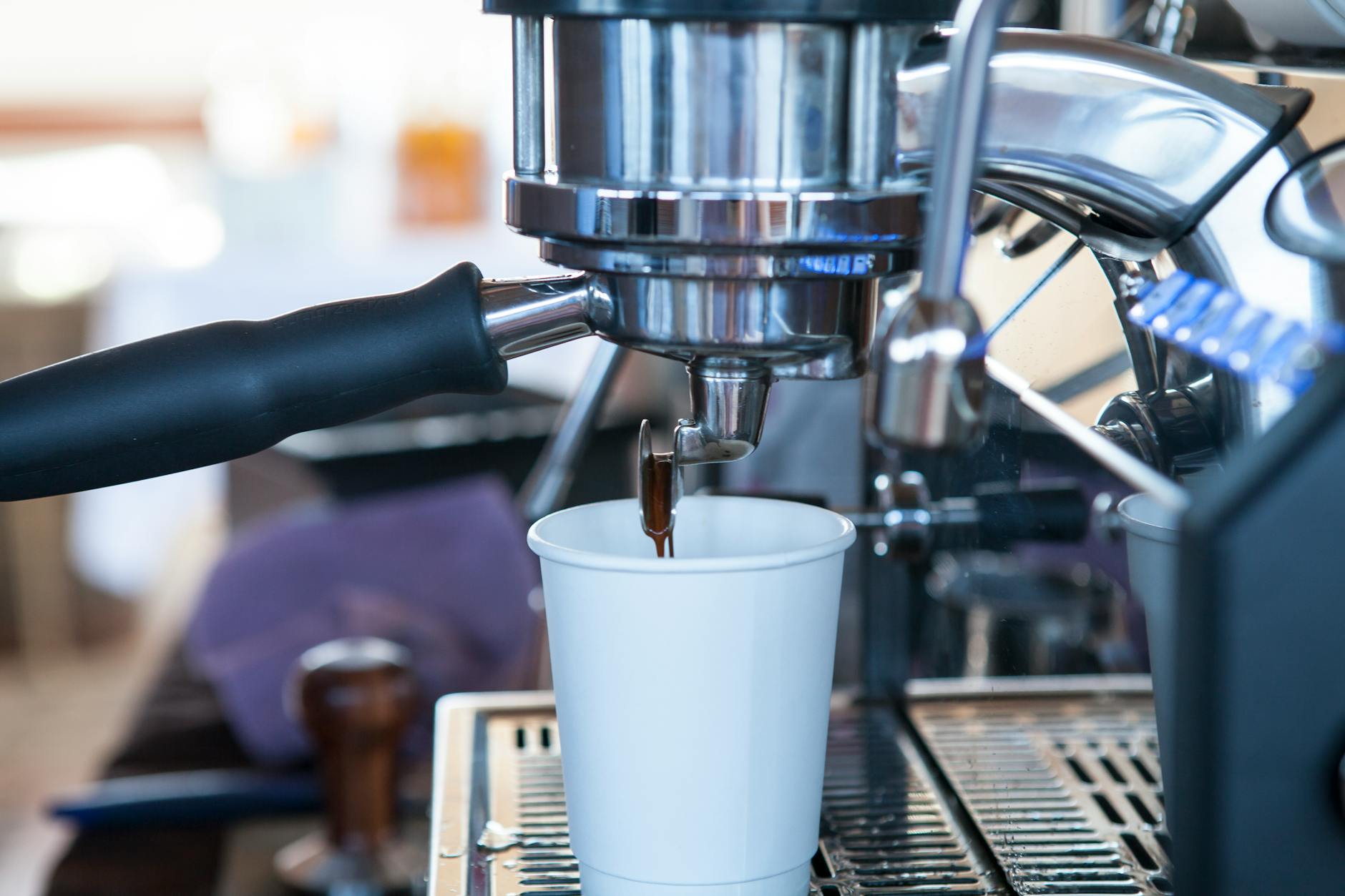
The secret to perfect espresso: How temperature precision shapes crema and body
For many coffee enthusiasts, the perfect espresso shot is the ultimate goal. We chase that rich, syrupy body and the picture-perfect, hazelnut-colored crema that blankets the surface. While we often focus on the quality of the beans, the grind size, and tamping pressure, there is a powerful yet frequently overlooked variable that governs the entire process: water temperature. The difference of just a few degrees can be the deciding factor between a beautifully balanced shot and a disappointing cup. This article will delve into the critical relationship between temperature precision and the final quality of your espresso, exploring how it directly impacts the two most desired attributes—the luxurious body and the signature crema.
What happens during extraction?
Before we can understand how temperature influences the final shot, we must first understand the magic of extraction. In simple terms, an espresso shot is created when hot, pressurized water is forced through a tightly packed “puck” of finely ground coffee. This process lasts only 25-30 seconds, but within that brief window, a complex chemical reaction takes place. The hot water acts as a solvent, dissolving hundreds of different compounds from the coffee grounds.
These compounds include:
- Acids: These are typically extracted first and contribute to the brightness and fruitiness of the coffee.
- Sugars: These dissolve a little later and provide sweetness and balance.
- Oils and lipids: These are crucial for creating the crema and contribute significantly to the mouthfeel or body.
- Solids: These non-dissolved particles add to the texture and viscosity of the shot.
Temperature is the engine that drives this process. It dictates which compounds are dissolved and at what rate. Think of it as a control knob for flavor and texture. Precise temperature control allows a barista to selectively pull out the desirable elements while leaving the undesirable ones behind, directly shaping the final body and the quality of the crema.
Brewing too hot: Over-extraction and its consequences
When the brewing water is too hot, typically above 96°C (205°F), it becomes an overly aggressive solvent. This phenomenon is known as over-extraction. The intense thermal energy strips compounds from the coffee grounds too quickly and too indiscriminately. While it will extract all the desirable acids and sugars, it will also start pulling out the less soluble, bitter compounds like tannins and certain alkaloids.
The result is immediately noticeable in the cup. The taste will be harsh, bitter, and astringent, often with a burnt or ashy flavor that completely masks any of the coffee’s natural sweetness. The crema, which might initially appear dark and foamy, is a tell-tale sign. It will be thin and made of large, soapy bubbles that pop and disappear within a minute, leaving behind a dark, lifeless surface. Similarly, the body of the shot will suffer. Instead of a rich, velvety texture, the espresso will feel thin and watery, lacking the satisfying weight on the palate.
Brewing too cold: The challenge of under-extraction
On the opposite end of the spectrum, using water that is too cold—generally below 90°C (195°F)—leads to under-extraction. In this scenario, the water lacks the necessary thermal energy to properly dissolve all the desired compounds within the short extraction time. It will manage to pull out the most soluble compounds, which are the organic acids, but it will struggle to extract the sugars and oils that provide sweetness, balance, and texture.
An under-extracted shot is easily identified by its overwhelmingly sour taste. It will be sharp and acidic, sometimes with unpleasant vegetal or salty notes, because the sweetness needed to balance the acidity was left behind in the puck. The visual cues are just as clear. The crema will be pale, blond, and anemic. It may not even form a complete layer over the espresso, looking thin and patchy. The body will be disappointingly light and insubstantial, feeling more like a strong coffee than a true, syrupy espresso. The shot lacks depth, complexity, and the luxurious mouthfeel that defines a great espresso.
Achieving the perfect balance: Tools and techniques
The ideal temperature for espresso extraction isn’t one single number, but rather a “sweet spot” range, typically between 90°C and 96°C (195°F and 205°F). The perfect temperature within this range depends on several factors, including the coffee’s origin, processing method, and most importantly, its roast level. Darker roasts are more soluble and often taste better at slightly lower temperatures, while lighter roasts are denser and may require higher temperatures to properly extract their complex flavors.
So, how do you achieve this precision? Modern, high-quality espresso machines often feature a PID (Proportional-Integral-Derivative) controller. This digital thermostat constantly monitors the boiler temperature and makes micro-adjustments to keep it incredibly stable, often within a single degree. This stability is crucial not just for hitting the right temperature, but for maintaining it throughout the entire shot. Simple techniques, like flushing the group head before brewing and pre-heating your portafilter and cups, also help prevent temperature loss and ensure a consistent extraction.
The table below summarizes how temperature affects your shot:
| Temperature | Crema Characteristics | Body Sensation | Dominant Flavor Profile |
|---|---|---|---|
| Too Cold (<90°C / 195°F) | Pale, thin, dissipates fast | Light, watery, weak | Sour, acidic, underdeveloped |
| Ideal Range (90-96°C / 195-205°F) | Rich, reddish-brown, persistent | Syrupy, viscous, balanced | Sweet, complex, well-rounded |
| Too Hot (>96°C / 205°F) | Dark, bubbly, fragile | Thin, astringent | Bitter, burnt, harsh |
By understanding this relationship, you can start using temperature as a tool to fine-tune your espresso, or “dial in” a new bag of beans to bring out its best characteristics.
Conclusion
Temperature is not a minor detail in the art of espresso; it is a foundational pillar that dictates the final character of your shot. As we’ve seen, brewing too hot results in an over-extracted, bitter coffee with a weak body and fleeting crema. Conversely, brewing too cold produces an under-extracted, sour shot that lacks both texture and a proper crema. The sweet spot lies within a narrow range where all the desirable compounds are extracted in harmony. Achieving this balance requires awareness and, ideally, equipment that offers thermal stability. Mastering temperature control is a significant leap forward for any home barista, transforming espresso-making from a game of chance into a craft of precision and consistently delicious results.


 No products in the cart.