

How sugar affects the texture and longevity of espresso crema
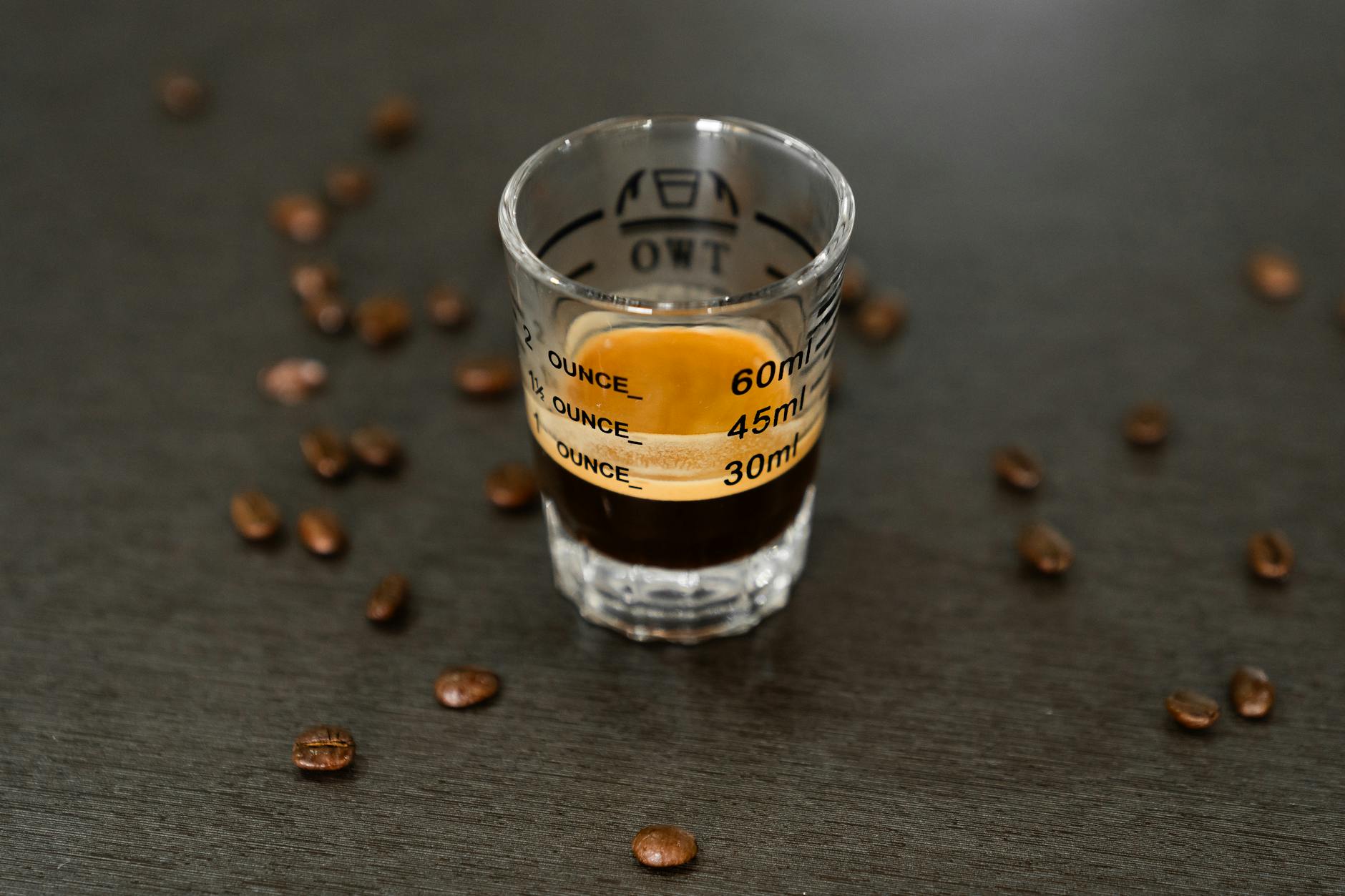
For many coffee lovers, the crowning glory of a perfect espresso shot is its crema. That rich, reddish-brown foam that sits atop the dark liquid is more than just a pretty layer; it’s a complex emulsion that contributes to the aroma, flavor, and mouthfeel of the entire experience. Many of us have a ritual of adding a spoonful of sugar, stirring, and sipping. But have you ever paused to consider what that sugar is actually doing to the delicate structure of your crema? The interaction is far more dramatic than you might think. This article delves into the science of how sugar, from the moment it hits the surface to when it dissolves, impacts both the immediate texture and the overall lifespan of that beautiful espresso crema.
The science of a perfect crema
Before we can understand how sugar disrupts the crema, we must first appreciate what it is. Crema is not simply foam; it’s a sophisticated and unstable emulsion of coffee oils, water, and gas. During the high-pressure extraction of espresso, carbon dioxide (CO2) gas, trapped within the roasted coffee beans, is forced into a dissolved state in the hot water. When the liquid returns to normal atmospheric pressure as it exits the portafilter, this CO2 rapidly comes out of solution, forming millions of microscopic bubbles.
These bubbles are stabilized by compounds extracted from the coffee grounds, primarily lipids (oils) and melanoidins. Melanoidins are complex polymers formed during the Maillard reaction (the browning process) in roasting. They act as surfactants, reducing the surface tension of the water and helping to form a stable film around the CO2 bubbles, trapping them. A good, stable crema is an indicator of fresh beans (which contain more CO2) and a well-executed extraction.
The immediate physical assault on texture
When you sprinkle sugar crystals onto your crema, the first interaction is purely physical. Imagine the crema as a delicate net of interconnected bubbles. Each sugar crystal, though small, is a relatively heavy, sharp-edged object landing on this fragile structure. The impact and weight of the crystals immediately rupture the thin liquid walls of the bubbles they touch. This causes a chain reaction where adjacent bubbles collapse into each other, creating larger, less stable bubbles and a visibly coarser texture.
This process is governed by surface tension. The stabilizing compounds in the crema create a strong, elastic surface on each bubble. The sharp edges of the sugar crystals act like tiny needles, piercing this surface and breaking the tension. This is why you often see a “hole” or a rapid deflation in the exact spot where the sugar was added. The initial, beautiful, velvety microfoam is quickly degraded into a more sudsy, open-celled structure, diminishing the luxurious mouthfeel it provides.
The chemical destabilization and reduced longevity
The damage doesn’t stop after the initial physical impact. As the sugar begins to dissolve, a more subtle but equally destructive chemical process takes over. Sugar (sucrose) is highly hydrophilic, meaning it has a strong attraction to water molecules. The thin walls of the crema’s bubbles are made of water, stabilized by those crucial coffee compounds.
As the sugar dissolves, it aggressively pulls water molecules away from the bubble structures to hydrate itself. This process effectively dehydrates and weakens the bubble walls, making them brittle and much more likely to collapse. The very compounds that were working to keep the crema stable are now competing with sugar for a limited supply of water. In this molecular tug-of-war, the sugar almost always wins, accelerating the natural decay of the crema. What might have been a stable foam for several minutes will now dissipate in a fraction of that time.
Preserving your crema while sweetening your cup
So, does this mean you have to choose between a sweet coffee and a beautiful crema? Not at all. The key is to change the timing and method of how you add your sweetener. The infamous “crema test,” where a barista demonstrates a crema’s thickness by its ability to hold sugar for a few seconds, is ironic because the test itself initiates the crema’s destruction.
For the best of both worlds, consider these alternatives:
- Sweeten the cup first: Add your sugar, honey, or syrup to the empty espresso cup before you pull the shot. The hot espresso will dissolve the sweetener from the bottom as it fills the cup, leaving the crema on top completely undisturbed.
- Use a liquid sweetener: Simple syrup or other liquid sweeteners have a much less disruptive effect. They don’t have sharp crystals to physically break the foam, and they integrate more gently into the liquid below, minimizing the destabilizing effect.
Here’s a quick comparison of different sweetening methods:
| Sweetening method | Impact on texture | Impact on longevity | Overall recommendation |
|---|---|---|---|
| Granulated sugar on top | High (physical rupture) | High (chemical destabilization) | Not recommended |
| Sugar in cup before brew | None | None | Highly recommended |
| Simple syrup added after | Low | Low to medium | Good alternative |
Conclusion
In conclusion, the relationship between sugar and espresso crema is a destructive one. From the moment sugar crystals land on the surface, they begin a two-pronged attack. First, they physically rupture the delicate bubble structure, immediately coarsening the crema’s velvety texture. Then, as the sugar dissolves, it chemically destabilizes the foam by drawing water away from the bubble walls, drastically shortening the crema’s lifespan. While watching sugar slowly sink through a thick crema can be satisfying, it comes at the cost of the very quality you are admiring. For the coffee purist who also enjoys a touch of sweetness, the solution is simple: sweeten the cup before the coffee goes in. This small change in your routine allows you to preserve the integrity, aroma, and mouthfeel of a perfect crema.


 No products in the cart.