

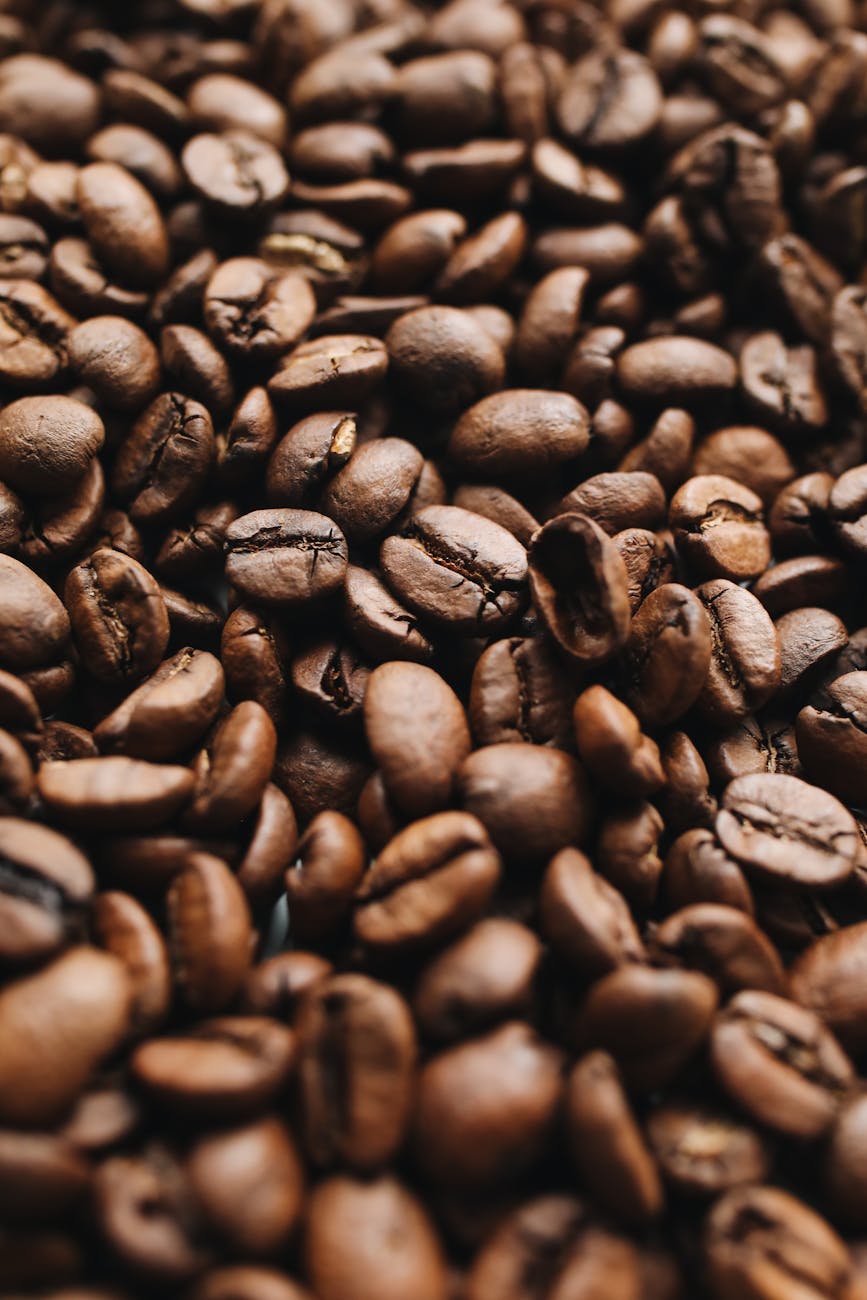
The world of specialty coffee can feel overwhelming, especially when you’re standing in front of a shelf lined with bags labeled “single origin” and “espresso blend.” For many, these terms are just marketing jargon. However, for the discerning home barista or espresso enthusiast, the difference is profound. It’s not just about taste; it’s about how the beans behave from the grinder to the final pour. Understanding the fundamental distinctions between a coffee from a specific farm in Ethiopia and a carefully crafted blend is the key to unlocking your perfect shot. This article will demystify these two categories, exploring how their unique characteristics impact flavor, consistency, and the entire brewing process, helping you choose the right beans for your machine.
What’s in a name? Single origin vs. espresso blend
Before we can compare how these coffees behave, we need to understand what they are. The distinction is simple in principle but has massive implications for your final cup.
A single origin coffee comes from one specific, identifiable geographic location. This could be a single farm, a specific cooperative of farmers, or a defined region within a country. The key is traceability. The goal of a single origin is to showcase the unique flavor profile of that particular place, a concept known as terroir. Think of it like a fine wine from a specific vineyard. The soil, climate, altitude, and processing methods all contribute to a distinct and often complex taste that can’t be replicated anywhere else. These coffees are celebrated for their unique, vibrant, and sometimes surprising characteristics.
An espresso blend, on the other hand, is a curated mix of beans from multiple origins. A roaster acts like a master chef, carefully selecting and combining different beans to achieve a specific, consistent, and balanced flavor profile. The primary goal of a blend is not to highlight a single origin’s uniqueness but to create a well-rounded and reliable espresso experience. Roasters often design blends to have a rich crema, a full body, and a flavor that holds up well with milk. They can adjust the components of the blend throughout the year to ensure the taste remains the same, even as coffee harvests change with the seasons.
The battle of flavor and consistency
The most immediate difference you’ll notice between single origins and blends is in the cup. Their flavor profiles and the consistency of that flavor from bag to bag are fundamentally different, catering to different palates and expectations.
Single origin coffees are all about exploration. They often present bright, clean, and complex flavors with higher acidity. You might taste distinct notes of blueberry in an Ethiopian Yirgacheffe, zesty citrus in a Kenyan, or delicate floral hints in a Panamanian Geisha. This uniqueness is their greatest strength but can also be a challenge. The flavor can change subtly from one harvest to the next, reflecting the specific conditions of that growing season. For the adventurous coffee drinker, this is exciting- a chance to taste the world. For someone seeking the same comforting cup every morning, this variability might be less desirable.
Espresso blends are built for reliability. The roaster’s goal is to smooth out the sharp edges and create a harmonious, balanced flavor. They often lean towards classic, comforting notes like chocolate, caramel, and nuts. Acidity is typically toned down, and the body is emphasized to create a rich, syrupy mouthfeel. By combining beans- for example, a Brazilian for body and sweetness with an Ethiopian for a touch of fruitiness- a roaster can deliver the exact same target flavor profile year-round. This makes blends a dependable foundation for milk-based drinks like lattes and cappuccinos and a favorite for cafes and home baristas who value consistency above all else.
Dialing it in: Behavior in the espresso machine
Beyond taste, single origins and blends behave very differently when you’re trying to pull a perfect shot of espresso. This is where the technical differences become apparent and can directly impact your success as a home barista.
Single origin beans can be more challenging to work with. Because the beans come from one source, there can be slight inconsistencies in their size and density. They are often roasted lighter to preserve their delicate and unique flavor notes. This lighter roast makes the beans harder and less soluble, meaning they require a finer grind and often a slightly higher brew temperature or longer pre-infusion to extract properly. They are famously finicky; a small change in your grind setting or dose can swing a shot from beautifully bright to unpleasantly sour. Dialing in a single origin requires patience and a willingness to experiment, but the reward is a truly exceptional and expressive shot.
Blends are intentionally designed to be more forgiving. The mix of beans creates a more uniform overall density, and they are typically roasted a bit darker, making them more brittle and easier to extract. This wider “sweet spot” means you have more room for error in your preparation. A blend will often produce a good, balanced shot across a broader range of grind sizes and temperatures. This user-friendly nature makes them an excellent starting point for those new to espresso, as they allow you to build confidence and learn the fundamentals without the frustration of a constantly changing target.
Choosing your champion: A practical guide
So, which is right for you? There is no “better” option- only the one that best suits your taste, equipment, and brewing philosophy. The choice ultimately comes down to what you value most in your coffee experience: adventure or reliability.
Single origins are for the flavor chaser, the hobbyist who enjoys the process of discovery. If you drink your espresso black and love tasting distinct, vibrant notes, a single origin is your best bet. Be prepared to spend a bit more, as their traceability and limited availability often come at a premium. You’ll also need a quality grinder that can make fine adjustments to handle the challenge of dialing them in. Blends are the dependable workhorse. If you want a consistent, comforting coffee every day, especially if you enjoy it with milk, a blend is an excellent choice. They are generally more affordable and behave predictably, making your morning routine smoother and more reliable.
| Characteristic | Single Origin Beans | Espresso Blends |
|---|---|---|
| Source | One specific farm, co-op, or region | A mix of beans from multiple origins |
| Flavor Goal | Showcase unique terroir; distinct and complex notes | Create a balanced, consistent, and well-rounded profile |
| Common Notes | Fruity, floral, bright, wine-like, high acidity | Chocolate, caramel, nutty, full-bodied, lower acidity |
| Consistency | Varies by season and harvest | Engineered to be consistent year-round |
| Brewing Behavior | Less forgiving, requires precise dialing in | More forgiving, easier to pull a consistent shot |
| Ideal For | Black espresso/Americano, flavor exploration, hobbyists | Milk drinks (lattes, etc.), daily reliability, beginners |
In the end, the journey from single origin to blend is not about a final destination but about understanding the landscape of coffee. We’ve seen that single origins offer a snapshot of a specific place and time, delivering unique, complex, and often challenging flavor profiles that demand precision in brewing. On the other hand, espresso blends are a testament to the roaster’s art, providing a balanced, reliable, and forgiving experience designed for consistency. Neither is inherently superior. The best choice is personal. It depends on whether you seek the thrill of discovering a new flavor with every bag or the comfort of a perfectly predictable and delicious cup to start your day. Don’t be afraid to explore both.

 No products in the cart.