

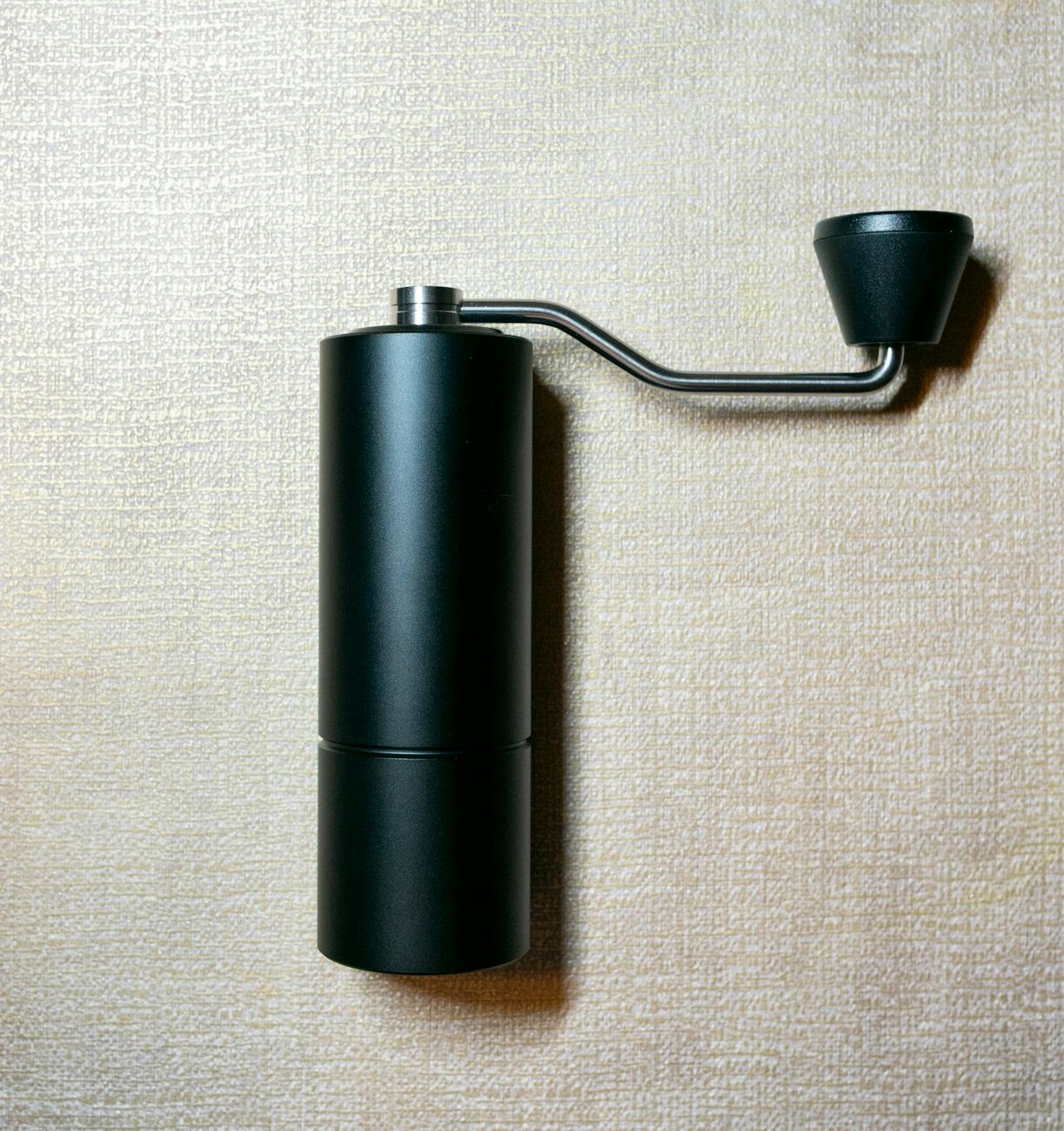
How heat buildup in your grinder affects espresso quality
The quest for the perfect shot of espresso is a journey filled with variables. We obsess over bean origin, roast profile, water temperature, and pressure. Yet, a silent saboteur often lurks within the most crucial piece of equipment on our counter: the coffee grinder. Heat, generated during the grinding process, is far more than a minor byproduct. It is a powerful force that can fundamentally alter your coffee grounds before they even touch the water. Understanding how heat buildup occurs and its direct impact on flavor is a critical step for any barista, home or professional, looking to elevate their espresso game. This article will delve into the science of grinder heat, how it degrades your coffee, and what you can do to control it.
The science behind grinder heat
Heat generation in a coffee grinder isn’t magic; it’s physics. The two primary sources are friction and motor heat. Friction is the main offender. As the grinder’s burrs, whether flat or conical, spin at high speeds, they crush and shear the hard coffee beans. This intense mechanical action creates a significant amount of frictional heat directly on the surface of the burrs, which is then transferred to the coffee grounds.
Several factors can amplify this effect:
- Grind size: Espresso requires a very fine grind. To achieve this, beans spend more time traveling between the burrs, increasing contact time and friction. The finer you grind, the hotter the process becomes.
- Burr design and speed: Grinders with high RPMs (revolutions per minute) grind faster but generate substantially more heat. The size and geometry of the burrs also play a role; larger burrs can often grind the same amount of coffee with fewer rotations, helping to mitigate heat.
- Bean characteristics: Denser, lighter-roasted beans are harder than their darker-roasted counterparts. Grinding them requires more force, which translates directly into more friction and higher temperatures.
The grinder’s motor also contributes, especially during continuous use. The heat it produces can radiate through the grinder’s body, warming the burrs and the grinding chamber from the inside out, creating a compounding thermal effect.
How heat chemically alters your coffee grounds
Once generated, heat immediately begins to work against the quality of your coffee. The primary damage occurs through the degradation of volatile organic compounds (VOCs). These delicate compounds are responsible for the incredible array of aromas and flavors we love in coffee, from floral and fruity notes to nutty and chocolatey ones. Heat causes these compounds to “off-gas,” or evaporate, prematurely. That wonderful aroma you smell coming from a hot grinder is the scent of flavor that will never make it into your cup. You are essentially baking the nuance right out of your beans.
Beyond this loss of aroma, heat negatively impacts the physical structure of the grounds. It can make the coffee more brittle, leading to the production of an excessive amount of “fines”—tiny, dust-like particles. These fines can clog the filter basket, leading to channeling, where water punches a hole through the coffee puck instead of flowing through it evenly. This results in a shot that is simultaneously under-extracted (sour) and over-extracted (bitter). Finally, heat accelerates oxidation, the process that makes coffee taste stale and flat. Warm grounds stale in minutes, not hours.
The final taste in the cup: a direct impact
The chemical and physical changes to the grounds translate directly into a disappointing espresso. The most immediate and noticeable effect is a loss of complexity and vibrancy. The fruity and floral top notes that define a high-quality specialty coffee are the first to disappear, replaced by a dull, one-dimensional flavor profile often described as baked or muddled.
Inconsistency becomes your new normal. A grinder that is cool for the first shot of the day will produce a different result than one that has heated up after grinding for three or four consecutive shots. You might find yourself constantly chasing the perfect grind setting, making adjustments shot after shot, not realizing that the moving target is actually the temperature of your grinder. The increased fines and static lead to channeling, which manifests in the cup as an unpleasant combination of sourness and aggressive bitterness. The sweetness and balanced acidity you’re aiming for become impossible to achieve, replaced by harsh, astringent flavors.
Practical strategies to manage grinder heat
Fortunately, you are not powerless against the destructive effects of heat. With a few strategic adjustments, you can significantly improve your espresso quality by keeping your grinder cool. The approach depends on your setting, whether you’re a home enthusiast or running a busy cafe.
For the home barista, the focus is on minimizing heat during single sessions. Grinding in short, 2-3 second bursts instead of one long grind can give the burrs a moment to dissipate some heat. Single dosing—weighing your beans for each shot and grinding only what you need—is another excellent practice. It reduces the motor’s run time and prevents beans from heat-soaking in the hopper. If you are in the market for a new grinder, look for models with low RPMs or larger burr sets, as these are inherently better at managing heat.
In a professional environment where volume is high, the equipment itself is the first line of defense. Commercial grinders are often built with large, efficient motors and active cooling systems, like fans, to handle continuous use. Even so, practices like alternating between two grinders during peak hours can give each machine a chance to cool. Above all, regular maintenance is key. Clean burrs are efficient burrs; caked-on coffee oils and fines act as an insulator, trapping heat and increasing friction.
| Problem in the Cup | Heat-Related Cause | Solution |
|---|---|---|
| Dull, “baked,” or flat flavor | Volatile aromatic compounds have evaporated from the grounds. | Grind in short bursts; choose a low-RPM grinder. |
| Bitter and sour at the same time | Excess fines cause channeling and uneven extraction. | Ensure burrs are clean and sharp; avoid grinding too far in advance. |
| Shot-to-shot inconsistency | Grinder temperature changes between shots, altering grind size. | Allow the grinder to cool between uses or use a grinder with a fan. |
Conclusion
The temperature of your coffee grinder is not a trivial detail; it is a cornerstone of espresso quality. Heat, generated primarily by the friction of the burrs, actively works to dismantle the delicate flavors and aromas meticulously cultivated from farm to roaster. It strips your coffee of its most vibrant notes, creates physical inconsistencies in the grounds that lead to poor extraction, and ultimately results in a cup that is bitter, flat, and disappointing. By understanding the sources of this heat and implementing simple strategies like grinding in bursts, single dosing, and keeping your equipment clean, you can protect the integrity of your beans. Paying attention to grinder heat is one of the most impactful steps you can take toward achieving consistently delicious and complex espresso.

 No products in the cart.