

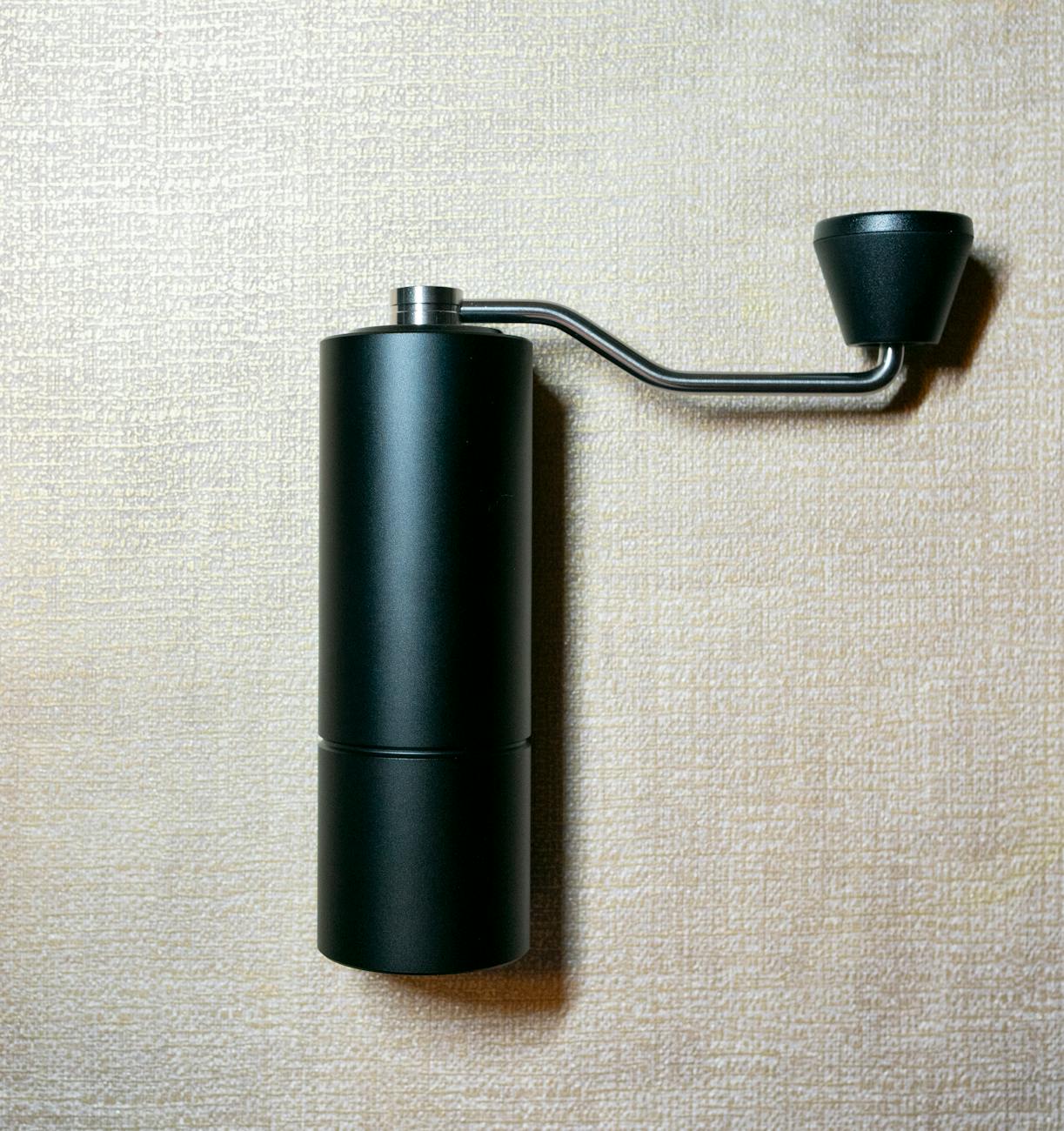
How grinder retention impacts the flavor of your espresso
You’ve invested in high-quality, freshly roasted coffee beans and a capable espresso machine. You follow your recipe meticulously, yet your shots are frustratingly inconsistent. One day it’s rich and balanced, the next it’s bitter and muddled. The hidden culprit might not be your technique or the beans, but something lurking inside your coffee grinder: retention. Grinder retention refers to the amount of coffee grounds left inside the grinder after a grinding cycle. These stale, leftover grounds can have a surprisingly significant impact on the quality of your next brew. This article will explore what grinder retention is, how it sabotages the flavor of your espresso, and what you can do to manage it for a more consistent and delicious cup.
What exactly is coffee grinder retention?
At its core, grinder retention is the difference between the weight of whole beans you put into the grinder and the weight of the grounds you get out. The missing coffee isn’t lost to a parallel universe; it’s trapped within the grinder’s internal mechanism. These grounds can get stuck in several places:
- The burr chamber: The area directly around the grinding burrs.
- The exit chute: The path the grounds take from the burrs to your portafilter.
- Internal crevices: Depending on the grinder’s design, there can be various nooks and crannies where grounds accumulate.
Retention is largely influenced by grinder design and static electricity. Grinders with long, convoluted exit paths tend to retain more coffee. Similarly, static cling can cause grounds to stick to every surface they touch. This leads to a key distinction between high-retention grinders, which might hold several grams of coffee, and low-retention or “zero-retention” grinders, which are specifically designed to minimize this issue, often retaining less than a tenth of a gram.
The flavor killer: Stale grounds in your fresh coffee
The biggest problem with retention is that you are mixing old, stale coffee with your fresh, fragrant grounds. Coffee is an organic product that begins to degrade the moment it’s ground due to oxidation. The trapped grounds from your last shot—or even from yesterday—have been sitting there, losing their volatile aromatic compounds and developing rancid oils.
When you grind a new dose, these stale grounds are pushed out and mixed with the fresh ones. The result in the cup is a muddled flavor profile. The bright, distinct notes of your single-origin coffee become muted, and an underlying layer of bitterness or an unpleasant “roasty” taste can overpower the delicate flavors. Think of it as adding a spoonful of yesterday’s leftover coffee to a freshly brewed cup; it contaminates the entire experience. This contamination makes achieving shot-to-shot consistency nearly impossible, as the ratio of stale to fresh grounds can vary each time.
Grind size inconsistency and the frustration of dialing in
Retention doesn’t just introduce stale flavors; it also wreaks havoc on your ability to “dial in” your espresso. When you adjust your grinder to be finer or coarser, you aren’t immediately getting a full dose of grounds at that new setting. This is a concept known as purging or exchange.
Imagine your shot is running too fast, so you adjust the grinder to a finer setting. In a high-retention grinder, the first few grams to exit will still be the coarser grounds from the previous setting. Your next dose will be an unpredictable mix of old coarse grounds and new fine grounds. This inconsistent mix often leads to channeling in the puck, where water finds easy pathways, causing a simultaneous over-extraction of the fine particles (bitterness) and under-extraction of the coarse particles (sourness). This is why you can make a significant adjustment and see little to no change in your next shot, a common source of frustration for baristas.
Strategies for managing and minimizing grinder retention
Fortunately, you are not powerless against retention. Whether you have a high-retention grinder or are looking to optimize a low-retention one, there are several effective strategies you can employ.
Purging: The simplest method is to grind and discard a small amount of coffee (1-3 grams) before grinding your actual dose for brewing. This purges the old, stale grounds and ensures that what ends up in your portafilter is fresh and at the correct grind size. The main drawback is the wasted coffee.
Single Dosing and Tools: Many home baristas adopt a single-dosing workflow, where they weigh the exact amount of beans needed for one shot and grind the entire dose. This is often paired with tools to help clear the grind path:
- Bellows: A rubber or silicone tool that sits on top of the hopper. After grinding, a few pushes send a strong puff of air through the grinder, forcing out any retained grounds.
- RDT (Ross Droplet Technique): Misting the beans with a tiny spritz of water before grinding can dramatically reduce static, a primary cause of retention. This helps grounds flow through more cleanly.
Understanding your grinder’s retention level can help you decide which strategies are most effective. The table below provides a general overview:
| Retention Level | Grams Retained (Example) | Primary Flavor Impact | Recommended Action |
|---|---|---|---|
| High Retention | 2 – 5+ grams | Significant bitterness, muddled flavors, major inconsistency when dialing in. | Purging is essential. Single dosing is less effective without aggressive cleaning. |
| Medium Retention | 0.5 – 2 grams | Noticeable lack of clarity, occasional off-flavors. Dialing in can be tricky. | Light purging, bellows, and RDT can significantly improve consistency. |
| Low/Zero Retention | < 0.5 grams | Minimal impact. Flavors are clear and consistent. Dialing in is responsive. | Ideal for single dosing. Occasional use of bellows or RDT can help. |
Ultimately, paying attention to retention is a critical step in mastering espresso. It’s the bridge between having great gear and producing great coffee. By understanding how trapped grounds affect flavor and consistency, you can take control of this variable. Implementing strategies like purging, using bellows, or simply being mindful of the issue when dialing in will lead to a more predictable process and, most importantly, a more delicious and satisfying shot of espresso. For any coffee enthusiast seeking to elevate their craft, managing retention is not just a minor tweak; it’s a fundamental technique for unlocking the true potential of every bean.


 No products in the cart.