

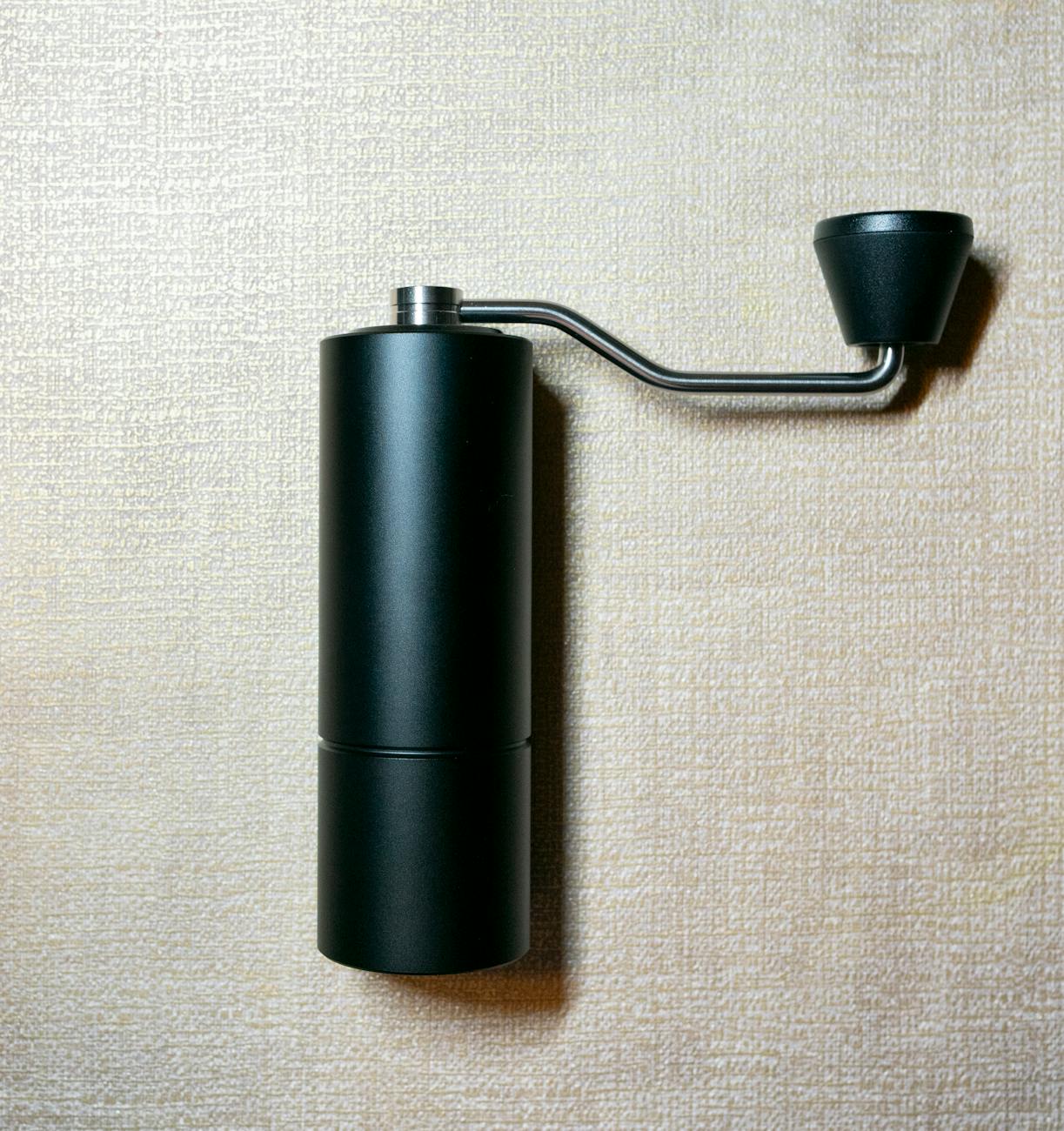
The core of control: How grind size affects espresso pressure and flow rate
Welcome to the heart of espresso making, where science meets art. Achieving that perfect, syrupy, and flavorful shot of espresso is a quest for many coffee lovers. While factors like bean quality, water temperature, and tamping are important, the single most influential variable you can control is the grind size. It’s the primary dial you’ll turn to influence everything that follows. This article will explore the critical relationship between the fineness of your coffee grounds and two key forces at play during extraction: pressure and flow rate. Understanding this dynamic is not just technical knowledge; it’s the key to unlocking the full potential of your coffee beans and transforming your home espresso from good to truly exceptional.
The foundation: How grind size creates resistance
Before we can talk about pressure and flow, we must first understand what’s happening inside the portafilter basket. When you pull a shot, your espresso machine forces hot water through a compacted bed of coffee grounds, known as a “puck.” The goal is to extract the perfect amount of soluble solids, oils, and aromatics from these grounds. The grind size of your coffee directly determines how difficult it is for water to pass through this puck.
Think of it like this: trying to pour water through a jar of large pebbles is easy. The water flows quickly through the large gaps. Now, imagine trying to pour water through a jar of fine sand. It’s much more difficult and slower because the particles are tightly packed, creating significant resistance. The same principle applies to your coffee puck:
- Finer Grind: Grinding your coffee finer creates smaller particles. These smaller particles pack together more densely, leaving very little space between them. This creates high resistance, slowing down the water’s journey through the coffee.
- Coarser Grind: Grinding coarser creates larger, more irregular particles. The gaps between these particles are much bigger, creating a path of least resistance. Water can flow through this puck much more quickly and easily.
This resistance is the fundamental force you are manipulating when you adjust your grinder. It’s the cause that leads to the effects of pressure and flow rate, which ultimately dictate the final taste in your cup.
Pressure and flow rate: The direct consequences of grind size
Now that we’ve established how grind size creates resistance, let’s connect it to what you see happening at the machine. Your espresso machine is designed to deliver water at a specific pressure, typically around 9 bars. However, the resistance from the coffee puck is what allows this pressure to build up effectively and determines the flow rate, or how quickly the espresso exits the portafilter.
When your grind is set correctly, the resistance from the puck is just right. The machine’s pump pushes against the puck, the pressure builds to the target 9 bars, and this forces the water to flow through the coffee at a controlled, steady rate. This results in a beautiful, even extraction, often visible as a syrupy, “mouse-tail” stream of espresso that appears after a few seconds of pre-infusion.
If the grind is too coarse, there isn’t enough resistance. The water rushes through the puck without the pressure having a chance to build properly. The shot will “gush” out, looking thin and watery. This rapid flow rate means the water doesn’t spend enough time in contact with the coffee, leading to under-extraction and a sour, weak, and unsatisfying shot.
Conversely, if the grind is too fine, the resistance is too high. The machine’s pump struggles to push water through the dense puck. This can cause the machine to choke, with either no espresso coming out or only a few slow, dark drips. The flow rate is far too slow, and the water that does make it through over-saturates the grounds, leading to over-extraction. This results in a bitter, harsh, and astringent taste.
Achieving balance: The art of dialing in
Understanding the theory is one thing, but applying it is what makes a great barista. The process of finding the perfect grind setting for a specific coffee bean is called “dialing in.” It involves making small, incremental adjustments to your grinder to achieve a target recipe, which is typically defined by dose (grams of coffee in), yield (grams of liquid espresso out), and time.
A great starting point for a standard double espresso is a 1:2 ratio in about 25-30 seconds. For example, using 18 grams of coffee to produce 36 grams of espresso in 28 seconds. Your grind setting is the primary tool to hit that time target.
Here’s how to approach it systematically:
- Keep your dose consistent. Use a scale to ensure you’re using the same amount of coffee for every shot.
- Pull a shot and time it. Start your timer as soon as you engage the pump and stop it when you reach your target yield (e.g., 36 grams).
- Taste and adjust. Use the time and taste as your guides. Did the shot run too fast? Was it sour? You need to increase resistance. Did it run too slow? Was it bitter? You need to decrease resistance.
Remember to only change one variable at a time. If you change the grind size, don’t also change your dose. This disciplined approach is the fastest way to find that sweet spot.
Troubleshooting your shot
This table provides a quick reference for diagnosing and fixing your espresso shots based on flow rate and taste.
| Observation | Likely Problem | Diagnosis | Solution |
|---|---|---|---|
| Shot runs very fast (e.g., <20 seconds) | Grind is too coarse | Under-extracted (tastes sour, thin) | Adjust your grinder to a finer setting |
| Shot runs very slow (e.g., >35 seconds) or chokes | Grind is too fine | Over-extracted (tastes bitter, astringent) | Adjust your grinder to a coarser setting |
| Shot starts okay but then gushes quickly | Channeling | Uneven extraction (tastes both sour and bitter) | Improve puck prep (distribute grounds evenly, tamp level) |
Conclusion: Your key to consistent quality
Mastering espresso is a journey of mastering variables, and grind size is your command center. It is the direct link to the resistance within your coffee puck, which in turn dictates the pressure buildup and the resulting flow rate of your shot. A coarse grind leads to low resistance and a fast, under-extracted, sour shot. A fine grind creates high resistance and a slow, over-extracted, bitter shot. The perfect grind creates just enough resistance to allow for a steady, controlled flow, resulting in a balanced, sweet, and flavorful extraction. By paying close attention to your shot times, observing the flow, and, most importantly, tasting the result, you can make informed adjustments. This methodical process of dialing in transforms guesswork into a reliable skill, empowering you to consistently produce high-quality espresso every time.
 No products in the cart.