

The unsung hero of flavor: How cup size impacts your home espresso milk drinks
You’ve dialed in your grinder, perfected your espresso shot, and steamed your milk to a glossy, velvety texture. Yet, some days your homemade latte tastes weak, and other days your cappuccino feels overpowering. You might blame the beans or your technique, but the culprit could be hiding in plain sight: your cup. The vessel you choose is far more than just a container; it’s a fundamental tool that dictates the final flavor profile of your drink. This article will delve into the critical relationship between cup size, milk-to-espresso ratios, and the sensory experience of your favorite coffee. We’ll explore how simply changing your cup can transform a milky, mild latte into a bold, coffee-forward cappuccino, helping you gain precise control over your daily brew.
The foundation: Espresso-to-milk ratio is everything
Before we can talk about cups, we must talk about what goes into them. The single most important factor determining the taste of an espresso milk drink is the ratio of coffee to milk. A standard double shot of espresso, which forms the base for most drinks, is typically around 30-40 ml (about 1-1.5 oz). Every milliliter of milk you add after that dilutes the intensity of the espresso, softening its acidity, bitterness, and complex flavor notes while adding sweetness and creaminess.
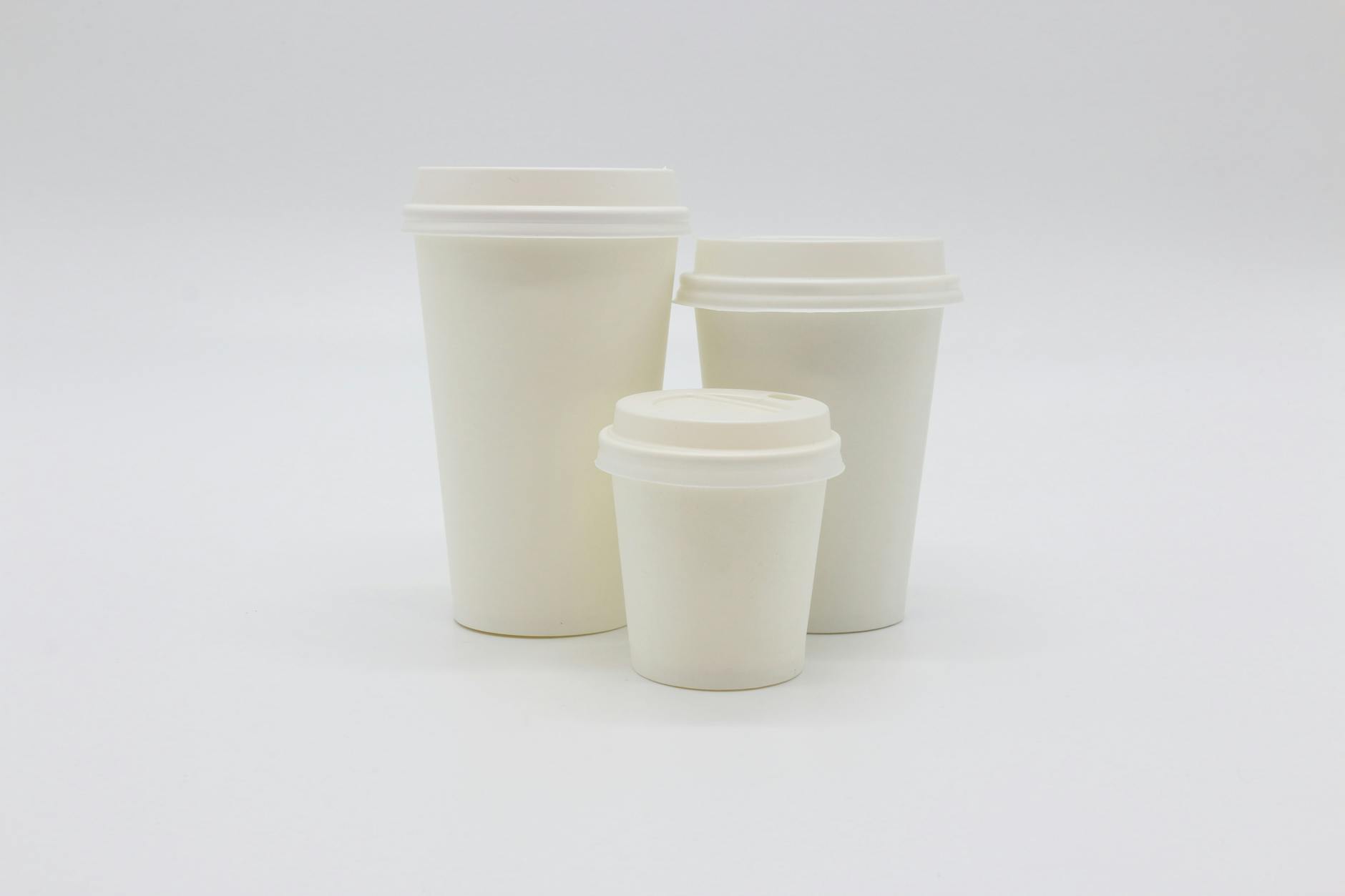
This is where your cup becomes the director of the show. A larger cup naturally encourages you to add more milk to fill it, leading to a higher milk-to-espresso ratio. Conversely, a smaller cup restricts the amount of milk, preserving a more coffee-dominant flavor. You aren’t just choosing a cup; you are pre-determining the fundamental balance of your drink before you even start pouring. Thinking about cup size first is the key to achieving consistency and crafting the exact flavor profile you crave.
A tale of two drinks: The cappuccino vs. the latte
Let’s examine the two most popular milk drinks to see this principle in action. A traditional Italian cappuccino and a modern café latte might share the same ingredients—espresso and steamed milk—but they are worlds apart in taste, primarily due to the cups they are served in.
- The Cappuccino: Served in a 5-6 oz (150-180 ml) cup, a cappuccino follows a rough rule of thirds: 1/3 espresso, 1/3 steamed milk, and 1/3 rich, airy foam. This smaller volume creates a low milk-to-espresso ratio. The result is a bold, espresso-forward drink where the coffee’s character shines through, beautifully balanced by the sweetness of the milk and the luxurious texture of the foam.
- The Latte: Served in a much larger 8-12 oz (240-360 ml) cup or glass, a latte contains significantly more steamed milk and just a thin layer of microfoam on top. This high milk-to-espresso ratio heavily dilutes the coffee, resulting in a much milder, sweeter, and milk-dominant beverage. It’s a gentler introduction to espresso, where the coffee notes are more of a subtle background flavor.
By simply choosing a 6 oz cup over a 10 oz cup, you fundamentally change the identity of the drink you are making, moving from a strong cappuccino to a mellow latte.
Meet the family: Cortados, flat whites, and macchiatos
The principle of cup size defining the drink extends across the entire specialty coffee menu. Understanding these smaller-format drinks can unlock a new world of flavor balance for the home barista. Each is defined by its precise ratio, which is directly tied to a specific cup size.
- Macchiato: The most espresso-dominant drink. Served in a tiny 2-3 oz (60-90 ml) demitasse cup, it’s a shot of espresso “marked” or “stained” with just a dollop of milk foam. The cup’s small size ensures the focus remains squarely on the pure flavor of the espresso.
- Cortado: A lesson in balance. Typically served in a 4.5 oz (135 ml) glass, the Cortado features a 1:1 ratio of espresso to lightly steamed milk. This perfect equilibrium highlights the best of both worlds: the rich complexity of the coffee and the silky sweetness of the milk, with neither overpowering the other.
- Flat White: Hailing from Australia/New Zealand, the flat white sits between a cappuccino and a latte. It’s served in a slightly larger 5.5-6.5 oz (160-190 ml) ceramic cup. It uses a thin layer of velvety microfoam instead of airy cappuccino foam, creating a coffee-forward but incredibly smooth and creamy experience.
This demonstrates that in the world of coffee, size isn’t arbitrary—it’s a recipe.
| Drink Name | Typical Cup Size (oz / ml) | Key Characteristic | Resulting Flavor Profile |
|---|---|---|---|
| Macchiato | 2-3 oz / 60-90 ml | Espresso “stained” with foam | Very Strong: Almost pure espresso flavor. |
| Cortado | 4.5 oz / 135 ml | 1:1 espresso to milk ratio | Balanced: Equal parts coffee and sweet milk. |
| Cappuccino | 5-6 oz / 150-180 ml | Thick layer of airy foam | Coffee-Forward: Strong coffee taste with a creamy texture. |
| Flat White | 5.5-6.5 oz / 160-190 ml | Thin layer of velvety microfoam | Smooth & Strong: Coffee-forward but creamier than a cappuccino. |
| Latte | 8-12+ oz / 240-360+ ml | High volume of steamed milk | Milk-Forward: Mild, sweet, and milky with a hint of coffee. |
Beyond the ratio: Material, shape, and temperature
While volume is the most critical factor, other cup characteristics also subtly influence the final taste and experience. Once you’ve chosen the right size, consider these details:
- Material: Ceramic is the classic choice for a reason. It has excellent heat retention, keeping your drink at an optimal temperature for longer. Glass is visually appealing for showing off latte art but loses heat much faster, which can make the last sips of your drink taste dull.
- Shape: A wide, bowl-shaped cappuccino cup allows the aroma of the coffee to open up, enhancing the sensory experience. It also provides a large surface area for the foam. A narrower, taller latte glass can feel different to drink from and channels aroma more directly.
- Temperature: Always pre-heat your cup! Pouring a perfectly hot shot of espresso into a cold, thick ceramic cup is a recipe for disaster. The cup will instantly absorb the heat, shocking the espresso and muting its delicate flavors. A simple rinse with hot water from your machine before you pull your shot makes a world of difference.
Conclusion
In the craft of home espresso, the cup is not a mere accessory; it is an active participant in flavor creation. As we’ve seen, the size of your vessel is the primary tool for controlling the all-important ratio of espresso to milk, which in turn dictates whether your drink is bold and intense or mild and creamy. From the tiny macchiato demitasse to the generous latte mug, each size is a recipe for a different experience. By understanding and embracing this concept, and paying attention to secondary factors like material and temperature, you move beyond guesswork. You can start making intentional choices to consistently craft drinks that perfectly match your personal taste, unlocking a new level of mastery and enjoyment in your home coffee journey.


 No products in the cart.