

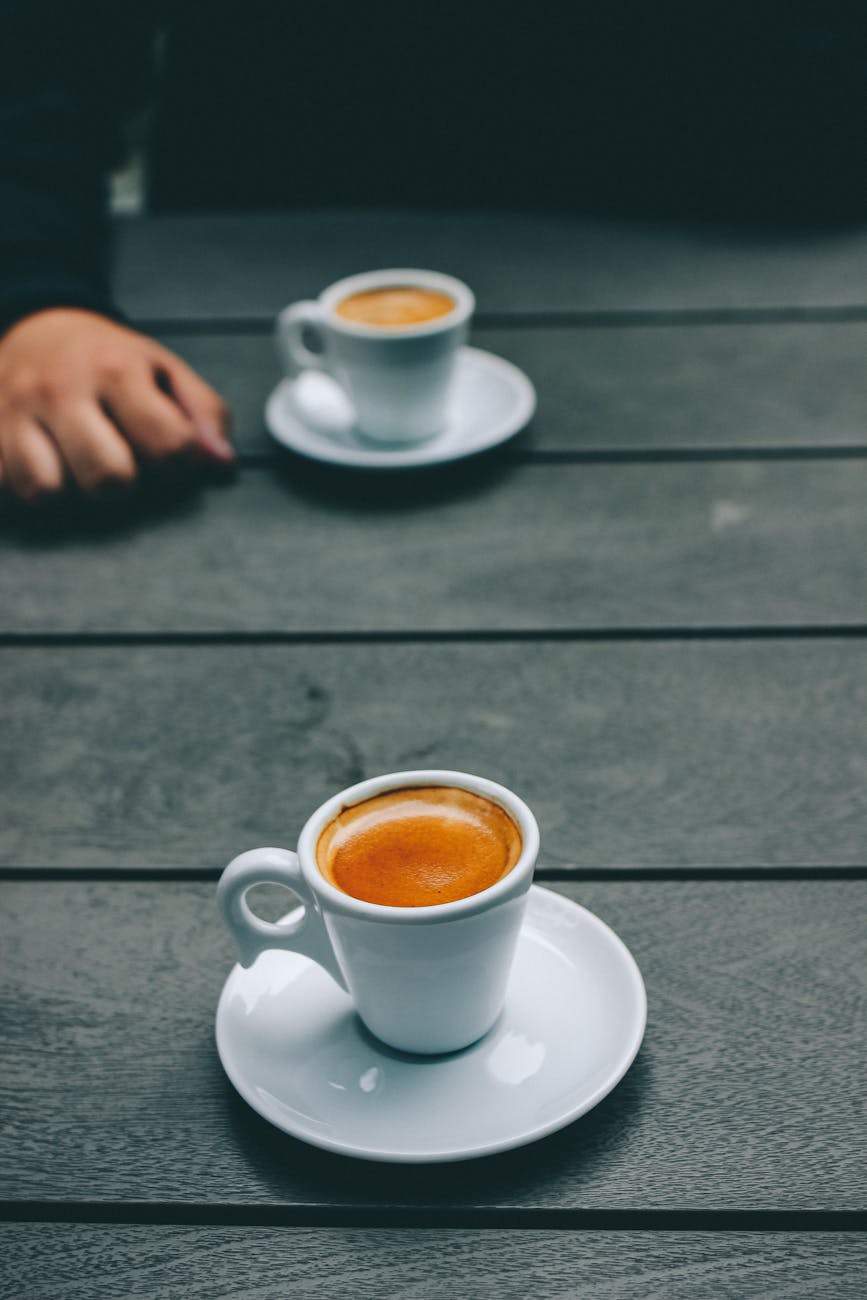
The unsung hero of your morning brew: How cup ergonomics elevate your espresso ritual
For many, the daily espresso is more than a simple caffeine boost; it’s a cherished ritual. We obsess over the origin of the beans, the precision of the grind, and the pressure of the machine, all in pursuit of that perfect, syrupy shot crowned with a rich, hazelnut crema. Yet, in this meticulous process, one critical component is often overlooked: the cup. The vessel that holds our liquid gold is not merely a container. It is an active participant in the experience. The ergonomics of your espresso cup—its shape, material, size, and even the feel of its handle—profoundly influence the aroma, temperature, and overall sensory enjoyment of your coffee. This article explores how a thoughtfully designed cup can transform your daily espresso from a simple drink into a truly sublime moment.
The science of shape and aroma
The first sense engaged in your espresso ritual isn’t taste, but smell. The complex, volatile aromatic compounds released by the freshly brewed coffee are a crucial prelude to the first sip. The shape of your cup plays the leading role in delivering this aromatic introduction. A cup with a tulip shape, one that is wider at the bottom and tapers toward the rim, is considered ideal by many connoisseurs. This design serves a specific purpose: it captures and concentrates the delicate aromas, funneling them directly to your nose as you lift the cup to drink. This pre-sip experience primes your palate, enhancing the perception of flavors like chocolate, nuts, or fruit that you might otherwise miss. In contrast, a cup with wide, straight sides allows these fragrant compounds to dissipate quickly, robbing you of a significant layer of the sensory experience. The right shape turns a simple sip into a full-bodied olfactory event.
Material matters for temperature and taste
The material of your espresso cup is a critical factor in preserving the two most fragile elements of a perfect shot: temperature and taste. Espresso is a small volume of liquid that loses heat rapidly. A rapid drop in temperature can cause the nuanced flavors to turn sharp and sour. This is where material choice becomes paramount.
- Porcelain: The classic and most popular choice for a reason. Thick-walled porcelain is an excellent insulator. When pre-warmed (by rinsing with hot water), it holds the espresso at its optimal drinking temperature for longer, allowing you to savor the shot without it going cold. Its non-porous, inert nature also ensures that it imparts no unwanted flavors, presenting the coffee’s true profile.
- Glass: Visually, glass is a winner. A clear glass cup allows you to appreciate the beautiful layering of the espresso and the rich color of the crema. However, standard glass is a poor insulator. To combat this, many choose double-walled glass cups, which provide superior heat retention while still offering that visual appeal.
- Stainless Steel: Durable and modern, stainless steel is great for travel or for those who prefer an unbreakable option. While often double-walled for insulation, some users report that it can impart a subtle metallic taste, which can interfere with the delicate notes of a high-quality espresso.
Choosing the right material is a balance between thermal performance, aesthetic preference, and taste purity.
| Material | Heat Retention | Taste Neutrality | Aesthetics |
|---|---|---|---|
| Thick Porcelain | Excellent | Excellent | Classic, traditional |
| Double-walled Glass | Very Good | Excellent | Modern, visual |
| Stainless Steel | Good (if double-walled) | Fair to Good | Durable, industrial |
The tactile connection: Handle, weight, and feel
Beyond aroma and temperature, the physical interaction with the cup is a key part of the ritual’s enjoyment. The tactile experience, or how the cup feels in your hand, can make the moment feel either graceful or clumsy. The handle, for instance, is a major ergonomic feature. Is it a tiny loop you can only pinch with your fingertips, or is it a comfortable, rounded handle that allows for a secure one-finger grip? An uncomfortable handle can distract from the pleasure of the drink. Similarly, the cup’s weight and balance contribute to its perceived quality. A demitasse with a satisfying heft and a solid, stable base feels more premium and intentional than a feather-light, flimsy cup. Finally, consider the lip of the cup. A thin, slightly curved rim can feel more elegant against the lips and deliver the espresso onto the tongue more precisely, allowing for a better distribution of flavor across the palate.
Size and volume: Preserving the perfect shot
Espresso is defined by its concentration, and its vessel should honor that. The standard demitasse cup holds between 2 and 3 ounces (60-90 ml), which is the perfect size for a single or double shot. Using a cup that is too large is a common mistake that compromises the quality of the espresso in two ways. First, it diminishes the crema. The large surface area causes the delicate foam to spread out thinly and dissipate almost immediately. A proper-sized cup with a rounded bottom helps to cradle and preserve this essential layer. Second, a large cup acts as a heat sink, rapidly pulling warmth from the small volume of coffee and causing it to cool down too fast. The correct size ensures the ideal ratio of coffee volume to cup surface area, maintaining both the crema’s integrity and the shot’s optimal temperature from the first sip to the last.
Ultimately, the espresso cup is far more than a simple piece of dishware; it is a carefully engineered tool designed to enhance a sensory experience. From the shape that concentrates its intoxicating aroma to the thick porcelain that cradles its warmth, every element serves a purpose. The weight in your hand, the feel of the rim against your lips, and the perfect size that preserves the precious crema all contribute to the ritual. By understanding and appreciating the subtle ergonomics of the demitasse, you can move beyond simply drinking coffee. You can curate a richer, more engaging, and deeply satisfying daily moment. So, the next time you prepare your espresso, take a moment to consider the cup. Choosing the right one is a small change that makes a world of difference.



 No products in the cart.