

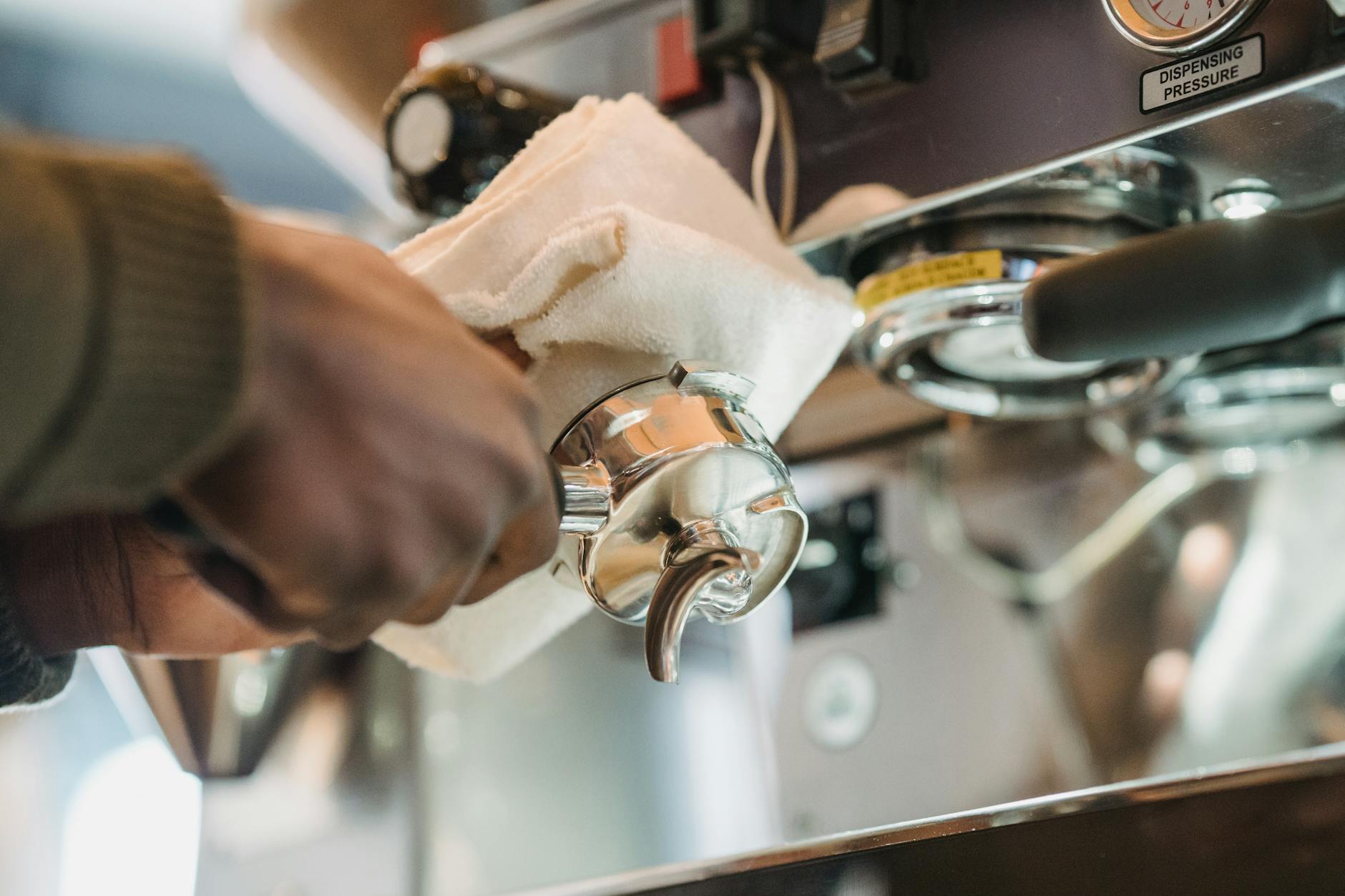
Introduction: Your key to unlocking consistent and delicious espresso from your Gaggia Classic might be simpler than you think. It’s not always about the latest grinder or the most expensive beans. Often, the secret lies in basic maintenance, specifically, cleaning the shower screen. This small but vital component is responsible for distributing water evenly over your coffee puck. Over time, it accumulates coffee oils, fines, and scale, leading to channeling and uneven extraction—the enemies of a great shot. This guide will walk you through everything you need to know, from routine backflushing to a deep-cleaning revival, ensuring every pull from your Gaggia Classic is balanced, rich, and flavorful. Let’s get that shower screen sparkling clean.
Why a clean shower screen is crucial for your Gaggia Classic
The shower screen on your Gaggia Classic acts like the head of a watering can. Its purpose is to take the concentrated stream of hot water from the boiler and disperse it gently and evenly across the entire surface of your ground coffee in the portafilter. When this screen is clean, you get a uniform saturation, which is the foundation of an even extraction. This means all the coffee grounds are working together to release their delicious flavors at the same rate.
However, with every shot you pull, two things happen. First, tiny coffee particles (fines) are forced upwards against the screen. Second, hot water extracts natural oils from the coffee, and some of this oil residue bakes onto the metal screen. Over time, this buildup of old, rancid oils and coffee fines will clog the tiny holes in the screen, creating a stubborn, tar-like substance. This forces water to find the path of least resistance, resulting in jets of water rather than a gentle shower. This directly causes channeling in your coffee puck, where water bypasses most of the coffee and over-extracts other parts, leading to a shot that tastes simultaneously sour and bitter.
Identifying the signs of a clogged shower screen
Before you even taste a bad shot, your machine will give you visual clues that the shower screen needs attention. The most obvious sign is an uneven water flow. To check this, run the machine for a few seconds without the portafilter locked in place. Observe the water coming from the group head. Does it look like a gentle, even rain shower covering the entire area of the screen? Or do you see:
- Spurts and jets: Water shooting out aggressively from a few specific spots.
- Bald spots: Areas of the screen where very little or no water is coming out.
- Dripping from one side: An unbalanced flow that indicates a partial blockage.
Another clear sign is the visual appearance of the screen itself. A clean screen will look like shiny, silver metal. A dirty one will be covered in a dark brown or black film of baked-on coffee oil. You might even see physical coffee grounds stuck in the mesh. Finally, trust your taste buds. If your shots have suddenly become inconsistent, tasting harsh, bitter, or weak despite using the same beans and grind setting, a dirty shower screen is a very likely culprit.
Step-by-step guide to a basic clean (backflushing)
Regular backflushing is the most effective routine maintenance you can do. It cleans the internal pathways of the group head, the three-way solenoid valve, and the back of the shower screen, flushing out loose grounds and fresh oils before they have a chance to harden. For this, you will need a blind basket (a portafilter basket with no holes) and a dedicated espresso machine cleaning powder like Cafiza or Puly Caff.
Here’s the process for a chemical backflush, which should be done every 1-2 weeks:
- Insert the blind basket into your portafilter.
- Add about a half-teaspoon of espresso machine cleaning powder into the basket.
- Lock the portafilter into the group head as if you were pulling a shot.
- Run the brew switch for 10 seconds, then stop it. You will hear a “whoosh” as pressure is released through the solenoid valve into the drip tray. The water in the tray will likely be brown.
- Repeat this 10-second on/off cycle 4-5 more times.
- Remove the portafilter. You will see foamy, dirty water. Rinse the portafilter and the blind basket thoroughly.
- Lock the clean portafilter back into the machine and repeat the 10-second on/off cycle 5-10 more times with just water to rinse any residual cleaner from the system.
A simple water-only backflush (following the same steps without the cleaning powder) can be done at the end of each day to keep the group head exceptionally clean.
The deep clean: Removing and soaking the screen
While backflushing is great for daily maintenance, it can’t remove the hardened, baked-on oils on the front of the screen. For that, you need to perform a deep clean by removing it completely. This should be done every 1-2 months, depending on usage.
What you’ll need: A flat-head or Phillips screwdriver (depending on your model) and espresso machine cleaner.
- Unscrew and remove: With the machine off and cool, use your screwdriver to remove the central screw holding the shower screen in place. The screen and the metal shower holding plate behind it will come loose. Be careful, as they may drop suddenly.
- Prepare the cleaning solution: Dissolve one teaspoon of espresso machine cleaner in about 500ml of very hot or boiling water in a bowl.
- Soak the parts: Place the shower screen, the holding plate, and the screw into the cleaning solution. Let them soak for at least 30 minutes. You will see the water turn a dark, murky brown as the oils dissolve.
- Scrub and rinse: After soaking, use a stiff brush (like a group head brush or an old toothbrush) to scrub away any remaining residue from all parts. Pay close attention to the tiny holes in the screen and the crevices in the holding plate. Rinse everything thoroughly under hot water to remove all traces of the cleaning solution.
- Clean the group head: While the parts are soaking, take a damp cloth and a group head brush to clean the brass dispersion block on the machine itself, where the screen was mounted.
- Reassemble: Once all parts are clean and dry, carefully reassemble them in reverse order: place the shower holding plate on the dispersion block, then the shower screen, and finally tighten the screw. Don’t overtighten it—just snug is fine.
After reassembly, run some water through the group head to ensure everything is seated correctly and to flush out any loose particles.
Here is a simple maintenance schedule to follow:
| Task | Frequency | Purpose |
|---|---|---|
| Water Purge | After every shot | Flushes loose grounds from the screen immediately. |
| Water Backflush | Daily | Cleans the solenoid valve and internal pathways. |
| Chemical Backflush | Every 1-2 weeks | Dissolves fresh coffee oils from deep within the group head. |
| Deep Clean (Screen Removal) | Every 1-2 months | Removes hardened, baked-on residue that backflushing cannot. |
Conclusion: In conclusion, maintaining a clean shower screen on your Gaggia Classic is not just a chore; it’s a fundamental step toward achieving barista-quality espresso at home. We’ve covered why this component is so critical for even extraction and how a dirty screen can ruin your shot with bitter, channeling flavors. You now know how to spot the warning signs of a clog and are equipped with two essential cleaning methods: the regular, preventative backflush and the periodic deep clean that involves removing and soaking the screen and dispersion plate. By incorporating these simple routines into your coffee-making process, you take control of one of the most important variables in espresso. The reward is a consistently delicious, well-extracted shot of coffee, every single time.
 No products in the cart.