

The ultimate portability showdown: Manual vs. desktop espresso machines
For many coffee lovers, the rich, complex flavor of a well-pulled espresso shot is a non-negotiable part of the day. But what happens when you’re away from your trusted kitchen setup? The desire for quality coffee on the road, at the office, or even on a campsite has fueled a fascinating debate: which type of machine truly delivers espresso without being tied down? This article delves into the practicalities of portability, comparing manual espresso makers with their larger, more traditional desktop counterparts. We’ll move beyond the obvious size differences to explore the complete ecosystem required for each, from power sources and water heating to the essential grinder, helping you decide which path to portable perfection is right for you.
Understanding the core differences
Before we can evaluate portability, it’s crucial to understand the fundamental mechanics of each machine type. They represent two very different philosophies in espresso extraction, and these differences are the root of their portability pros and cons.
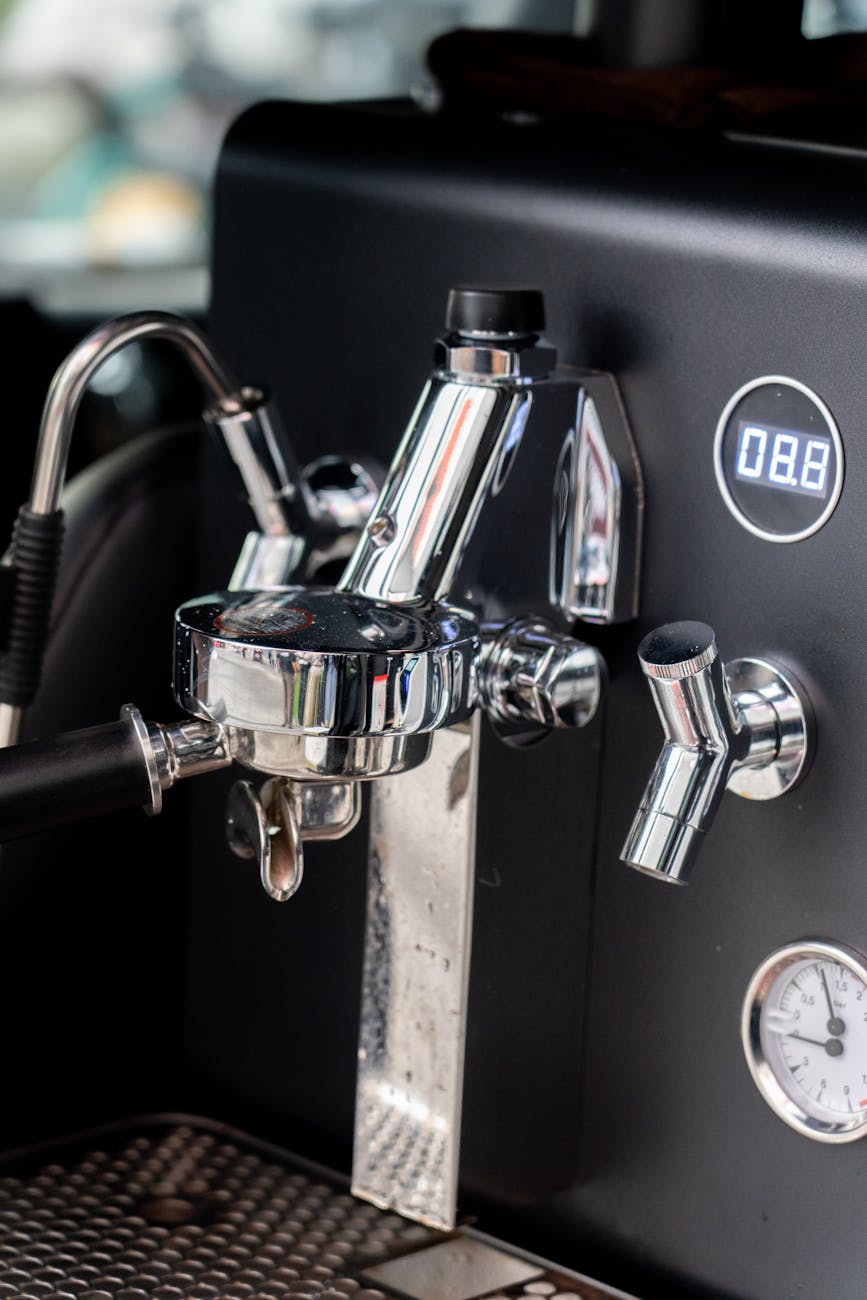
A desktop espresso machine, like a Gaggia Classic or Breville Bambino, is what most people picture when they think of making espresso at home. These are all-in-one electrical appliances. They contain pumps to generate the required 9 bars of pressure, and heating elements (like thermocoils or boilers) to bring water to the ideal brewing temperature. You simply fill the reservoir, plug it in, and let the machine’s internal components do the heavy lifting. Their design prioritizes consistency and convenience in a stationary setting.
Conversely, a manual espresso machine, such as a Flair, Wacaco Picopresso, or Cafflano Kompresso, strips the process down to its mechanical essentials. These devices have no internal heating elements or electric pumps. The user is responsible for every critical variable. You must heat the water separately, often with a kettle, and you generate the extraction pressure yourself, typically by pulling down on a lever or pumping a piston. This hands-on approach puts you in complete control, but it also externalizes key components of the process.
The anatomy of a travel kit
True portability isn’t just about the machine itself; it’s about the entire kit you need to pack to produce a great shot of espresso. This is where the gap between manual and desktop machines widens significantly. The need for external power and the size of necessary accessories are the real deciding factors.
To move a desktop machine, you are moving a heavy, bulky object that is utterly dependent on a stable power outlet. But it doesn’t stop there. Espresso demands a fine, consistent grind, which means you also need to pack an electric burr grinder, as most are too large to have one built-in. Add to that your tamper, scale, and other accessories, and you’re looking at a setup that requires a dedicated box or bag. It’s more akin to moving a small kitchen appliance than packing for a trip.
The manual machine’s kit is a study in minimalism. Since the machine itself is compact and lightweight, the accompanying gear can be as well. A high-quality portable hand grinder is the perfect partner, often small enough to fit inside an AeroPress plunger or a travel mug. Your heat source is the main variable; it could be a hotel room kettle, a Jetboil on a hiking trail, or a pot over a campfire. The entire system—machine, grinder, scale, and beans—can often fit into a small dopp kit or a corner of a backpack. This self-sufficiency is the hallmark of true portability.
Comparing the complete setup
Let’s break down what you actually need to pack for each setup. Visualizing the entire “espresso travel system” makes the choice much clearer for anyone prioritizing space and freedom from the electrical grid.
| Component | Manual espresso kit | Desktop espresso kit |
|---|---|---|
| Espresso maker | Compact, lightweight (e.g., 0.5 – 2.5 kg). Fits in a bag. | Bulky, heavy (e.g., 5 – 15 kg). Requires careful packing. |
| Grinder | Portable hand grinder. Small footprint. | Electric burr grinder. Often as heavy as the machine itself. |
| Power source | None required for the machine or grinder. | Requires a standard electrical outlet for both machine and grinder. |
| Water heating | Requires an external source (kettle, campfire, etc.). | Built-in heating element. Heats water internally. |
| Total packed volume | Low. Can often fit in a small packing cube or backpack pocket. | High. Often requires a dedicated box or large tote bag. |
| Ideal use case | Camping, hiking, office, hotel travel, small apartments. | Home kitchen, RV with reliable power, long-term vacation rental. |
Practical scenarios: Where does each machine excel?
The best machine is the one that fits your lifestyle. Imagine you’re a frequent business traveler. A manual machine like a Wacaco Picopresso and a small hand grinder can be tucked into your carry-on, allowing you to make cafe-quality espresso in your hotel room using the provided kettle. For a camping enthusiast, a rugged manual lever machine like a Flair is a game-changer, enabling you to pull a perfect shot by the morning fire, miles from any electrical outlet.
Now, consider a different scenario. Perhaps you’re moving into a college dorm or setting up a small office kitchenette. A compact desktop machine like a Breville Bambino could be a perfect fit. While not “portable” in a daily sense, it’s easy enough to move once and set up for long-term use. The same applies to an RV owner who has a reliable power inverter and dedicated counter space. In these contexts, the convenience of a built-in pump and heater outweighs the need for off-grid functionality. The desktop machine is not for the backpack, but for the semi-permanent outpost.
Conclusion: Defining your own portability
Ultimately, the showdown between manual and desktop espresso machines comes down to a simple question: what does “portable” mean to you? If portability means the freedom to make excellent espresso anywhere, untethered from the power grid—on a mountaintop, in a foreign hotel, or at your office desk—then a manual machine is the undisputed champion. Its minimalist design and the compact ecosystem of accessories built around it offer unparalleled flexibility. However, if portability simply means being able to move your high-quality setup from one countertop to another, perhaps for a long vacation or a move, then a compact desktop machine offers convenience and consistency. It’s not truly a travel companion, but rather a “relocatable” home station.
 No products in the cart.