


Master your morning brew: Essential tools for the perfect pour-over
There’s a unique satisfaction in the ritual of manual coffee brewing. The pour-over method, in particular, transforms a daily routine into a mindful craft, offering unparalleled control over the final cup. Unlike the automated press of a button, pour-over allows you to directly influence variables like water temperature, flow rate, and extraction time. This hands-on approach unlocks the subtle, nuanced flavors hidden within your favorite coffee beans, resulting in a brew that is clean, bright, and incredibly aromatic. But to achieve this level of coffee excellence, you need the right set of tools. This guide will walk you through the essential equipment that forms the foundation of the ultimate pour-over, turning your kitchen counter into a true coffee sanctuary.
The foundation of precision: Grinder and scale
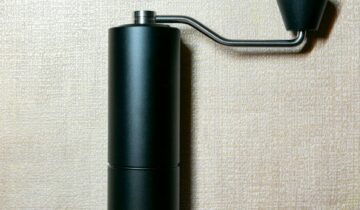
Before water even touches the coffee, two tools dictate the potential of your brew: a quality grinder and a digital scale. They are the non-negotiable starting point for consistency. A burr grinder is paramount because it crushes beans into a uniform size, unlike a blade grinder which shatters them into inconsistent chunks. This uniformity is critical for an even extraction, preventing a cup that is simultaneously sour (under-extracted) and bitter (over-extracted). Whether you choose a manual hand grinder for its portability and quiet operation or an electric one for convenience, the investment in burrs is the single biggest upgrade you can make to your coffee game.
Paired with the grinder is the digital scale. Brewing delicious coffee is a science of ratios. A scale, preferably one with a built-in timer and 0.1-gram accuracy, allows you to consistently measure your coffee beans and water. This precision ensures you can replicate that “perfect cup” day after day and make small, intentional adjustments to your recipe. Without a scale, you’re just guessing, and consistency becomes impossible. It’s the tool that bridges the gap between amateur and enthusiast.
The heart of the brew: Choosing your dripper
The dripper, or brewer, is where the magic happens. It’s the vessel that holds the coffee grounds and shapes the way water flows through them. The market is full of options, but a few iconic designs have become industry standards due to their unique characteristics. Your choice of dripper will have a significant impact on the body and flavor profile of your coffee.
- Hario V60: A favorite among baristas, this cone-shaped dripper features a large single hole and spiral ribs. This design encourages a fast flow rate, giving the brewer immense control. It typically produces a cup with bright acidity and a clean, tea-like body. It has a steeper learning curve but is incredibly rewarding once mastered.
- Kalita Wave: This dripper is known for its flat-bottomed surface and three small holes. This design restricts water flow and promotes a more even and forgiving extraction, making it an excellent choice for beginners. The resulting brew is often balanced, sweet, and full-bodied.
- Chemex: As much a piece of art as a coffee brewer, the Chemex is an all-in-one hourglass-shaped flask. It uses proprietary bonded paper filters that are thicker than average. These filters remove most of the coffee oils, producing an exceptionally clean, sediment-free cup with a light body and delicate flavors.
Each dripper requires a slightly different technique and grind size, making the choice a matter of personal preference for the kind of coffee you enjoy most.
The art of the pour: The gooseneck kettle
Once you have your coffee ground, measured, and in the dripper, how you introduce the water is the final key variable. This is where a gooseneck kettle becomes indispensable. Its long, slender spout is not just for looks; it provides exacting control over the speed and placement of your pour. A standard kettle dumps water uncontrollably, agitating the coffee bed unevenly and leading to a poor extraction. A gooseneck allows you to pour a slow, steady, and precise stream of water, ensuring all the coffee grounds are saturated evenly.
You can choose between a simple stovetop model or an electric version. Electric gooseneck kettles often come with a variable temperature control feature, which is a massive advantage. Holding water at a precise temperature (typically between 195-205°F or 90-96°C) is crucial for extracting the best flavors from your coffee. This level of control makes the brewing process more repeatable and takes the guesswork out of one of coffee’s most critical elements.
The finishing touches: Filters, servers, and accessories
With the main components in place, a few final items complete your setup. The coffee filter is more important than it seems. Always use filters designed specifically for your dripper, as their shape and thickness are part of the brewing system. It’s a vital practice to rinse the paper filter with hot water before adding your coffee grounds. This pre-rinse serves two purposes: it removes any residual paper taste and preheats your dripper and server, preventing thermal shock when you start brewing. Whether you opt for bleached (white) or unbleached (brown) is a matter of debate, but bleached filters are generally preferred for their neutral flavor profile.
Finally, while you can brew directly into a mug, a server or carafe is highly recommended. It allows you to brew larger batches to share, and its transparency lets you see the coffee as it brews. Swirling the coffee in the server before pouring also helps to homogenize the brew for a more consistent taste from the first sip to the last. Together, these finishing touches elevate the process from a simple task to a polished and enjoyable ritual.
Essential pour-over tool summary
| Tool | Primary Function | Why It’s Essential |
|---|---|---|
| Burr Grinder | Grinds coffee beans uniformly | Ensures even extraction for balanced flavor. |
| Digital Scale | Measures coffee and water precisely | Creates consistency and repeatability in your brew ratio. |
| Gooseneck Kettle | Controls water flow and direction | Allows for a gentle and even saturation of coffee grounds. |
| Dripper (V60, etc.) | Holds grounds and shapes extraction | The core brewing device; its design defines the coffee’s final profile. |
| Paper Filters | Separates grounds from liquid coffee | Affects body and clarity. Rinsing removes paper taste. |
Assembling your pour-over setup may seem like a significant step, but each tool plays a deliberate and crucial role in the pursuit of the perfect cup. From the uniform grounds delivered by a burr grinder to the precise stream of water from a gooseneck kettle, this equipment empowers you to take control of your coffee. This guide has covered the essentials: a quality grinder, a digital scale, a dripper suited to your taste, a gooseneck kettle, and proper filters. Investing in these tools is an investment in countless mornings of delicious, aromatic, and satisfying coffee. The journey of manual brewing is a rewarding one, so embrace the process, experiment with your technique, and enjoy the craft of creating your ultimate cup.
Image by: Marta Dzedyshko
https://www.pexels.com/@marta-dzedyshko-1042863
 No products in the cart.