

Essential coffee brewing equipment for the perfect cup at home
The allure of a perfect cup of coffee is undeniable. That rich aroma and complex flavor can set the tone for your entire day. While visiting your favorite cafe is a wonderful treat, recreating that experience at home is more accessible than ever. The secret, however, lies not just in the beans but in the tools you use. Stepping into the world of home brewing can feel daunting with the sheer amount of gear available. This guide is designed to cut through the noise. We will walk you through the truly essential pieces of coffee brewing equipment, explaining why each one plays a crucial role in transforming your kitchen counter into a sanctuary for coffee lovers, helping you achieve a consistently delicious brew every single time.
The foundation: grinders and scales
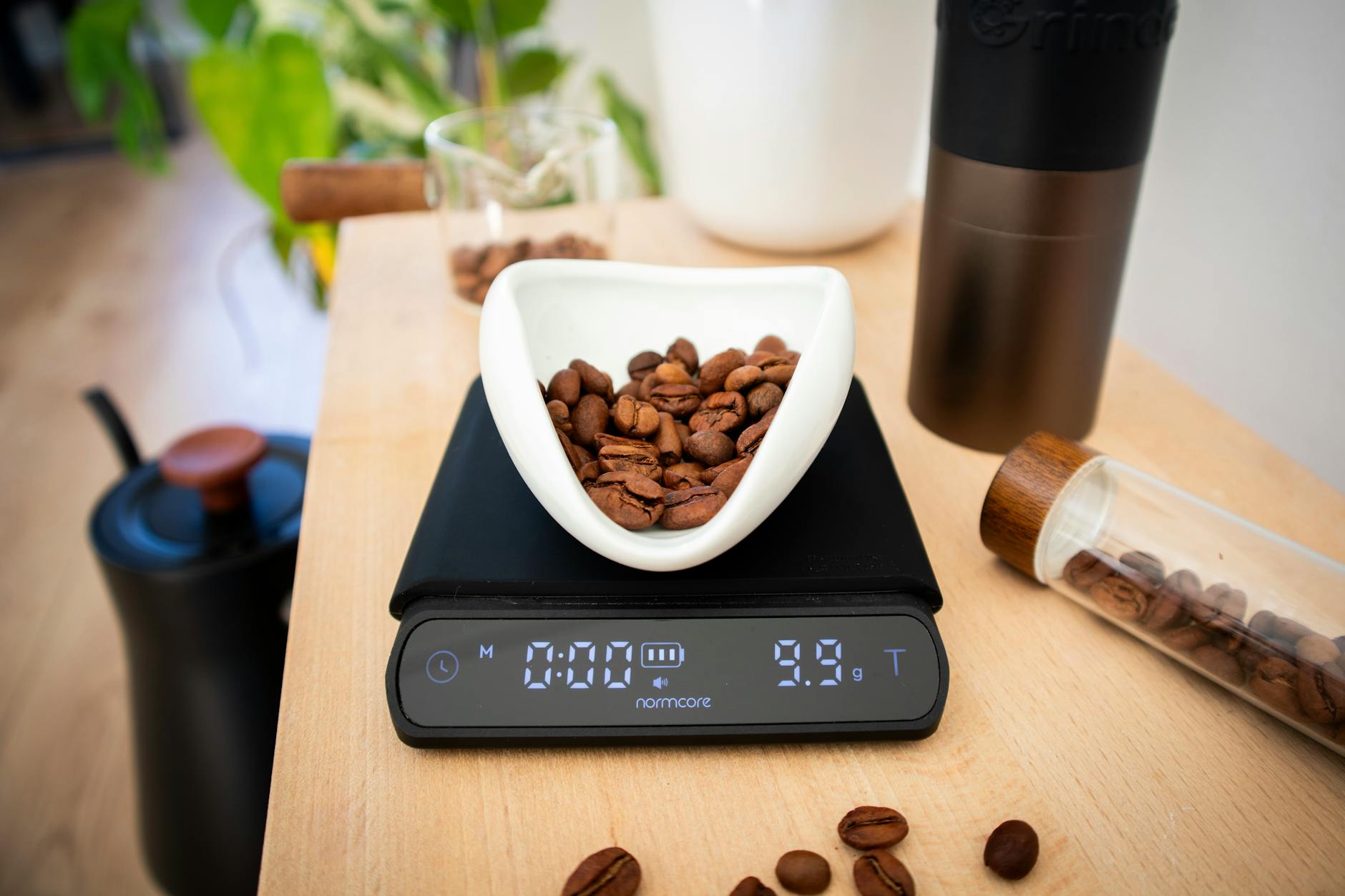
Before you even think about which brewer to buy, two pieces of equipment stand out as non-negotiable for anyone serious about coffee: a quality grinder and a digital scale. These tools are the bedrock of consistency and control. Coffee begins to lose its aromatic compounds moments after being ground. Buying pre-ground coffee is convenient, but you sacrifice the vibrant flavors and aromas locked inside the whole bean. This is where a grinder becomes your most valuable asset.
There are two main types of grinders:
- Blade grinders: These use a spinning blade to smash the beans into pieces. The result is an inconsistent mix of fine dust and large chunks, leading to uneven extraction where some grounds are over-brewed (bitter) and others are under-brewed (sour).
- Burr grinders: These use two revolving abrasive surfaces (burrs) to crush beans into a uniform size. This consistency is the key to a balanced extraction and a delicious cup. Whether you choose a manual or electric burr grinder, the improvement over a blade grinder is monumental.
Alongside the grinder, a digital scale that measures to at least 0.1 grams is essential. Brewing coffee is a science, and it relies on a precise ratio of coffee to water. Guessing your measurements is a recipe for inconsistency. A scale allows you to use the same amount of coffee and water every time, removing the guesswork and enabling you to make small, deliberate adjustments to perfect your recipe. Many coffee scales also include a built-in timer, which is incredibly useful for tracking your brew time.
Choosing your brewer: from pour-over to immersion
With your coffee properly ground and measured, it’s time to choose your brewing device. The method you select will have the most significant impact on the final taste and body of your coffee. Brewers generally fall into two categories: pour-over and immersion. Each offers a different experience and highlights different characteristics of the coffee bean.
Pour-over brewing involves pouring hot water over a bed of coffee grounds in a filter. This method gives you a high degree of control over the brewing process, from water temperature to pour speed. The resulting cup is often described as having a clean, crisp, and bright flavor profile, excellent for showcasing the delicate, nuanced notes of single-origin beans. Popular pour-over devices include:
- Hario V60: Known for its conical shape and large single hole, which encourages a fast flow rate and rewards a precise pouring technique.
- Kalita Wave: Features a flat-bottomed bed and three small holes, which provide a more forgiving and even extraction.
- Chemex: An iconic glass carafe that uses thick paper filters to produce an exceptionally clean, sediment-free cup of coffee.
Immersion brewing involves steeping the coffee grounds directly in hot water for a set period before separating them. This method is generally more forgiving than pour-over and produces a coffee with a fuller body, richer flavor, and more texture. Common immersion brewers include:
- French Press: A classic method where grounds are steeped in a beaker and then separated by plunging a metal mesh filter. It produces a robust, full-bodied brew.
- AeroPress: A uniquely versatile brewer that uses air pressure to push water through the grounds. It’s fast, easy to clean, and can produce a wide range of coffee styles, from clean and espresso-like to full-bodied immersion brews.
The supporting cast: kettles and water
You have your grinder, scale, and brewer, but two final elements will elevate your brew from good to great: your kettle and your water. Since coffee is over 98% water, its quality cannot be overstated. Tap water can contain chlorine and varying levels of minerals that negatively affect flavor. Conversely, using distilled water will result in a flat, lifeless cup because some minerals are necessary for proper flavor extraction. The ideal solution is to use filtered water, either from a pitcher filter or an under-sink system. This provides a clean, neutral base for your coffee to shine.
The tool you use to heat and pour that water—the kettle—is also critical, especially for pour-over brewing. While any kettle can heat water, a gooseneck kettle is a game-changer for pour-over. Its long, thin spout gives you precise control over the speed and placement of your water, allowing you to saturate the coffee grounds evenly. This control is essential for achieving a balanced extraction. For immersion methods like the French Press, a gooseneck is less critical, but for pour-over, it is a must-have. Many electric gooseneck kettles also offer variable temperature control, allowing you to dial in the perfect heat for different beans (e.g., hotter for light roasts, slightly cooler for dark roasts).
Putting it all together: a comparison guide
Choosing the right equipment depends on your personal preferences for taste, budget, and how hands-on you want the process to be. A French Press offers a simple, robust entry point, while a V60 setup rewards precision and produces a more delicate cup. Understanding the key differences can help you build the perfect setup for your morning ritual. The table below provides a quick comparison of the most popular methods to help you decide which path is right for you.
| Brewing method | Grind size | Flavor profile | Best for |
|---|---|---|---|
| Pour-Over (V60, Chemex) | Medium-Fine | Clean, bright, high clarity, nuanced | Coffee lovers who enjoy a hands-on process and delicate flavors. |
| French Press | Coarse | Full-bodied, rich, robust, some sediment | Those who prefer a strong, heavy-bodied cup and a simple process. |
| AeroPress | Fine to Medium | Versatile: can be clean and bright or rich and full-bodied | Travelers, experimenters, and anyone wanting a fast, versatile brewer. |
The journey to brewing the perfect cup of coffee at home is a rewarding one. It begins not with a fancy machine, but with foundational tools that grant you control and consistency. A quality burr grinder and a precise digital scale are the most important investments you can make, as they empower you to unlock the full potential of your coffee beans. From there, your choice of brewer—be it the methodical pour-over or the straightforward French press—allows you to tailor the final cup to your exact taste preferences. Don’t forget the importance of good, filtered water and a proper kettle to complete your setup. Ultimately, the best equipment is what works for you, turning a daily routine into a delightful ritual.
Image by: Pascal 📷
https://www.pexels.com/@userpascal
 No products in the cart.