

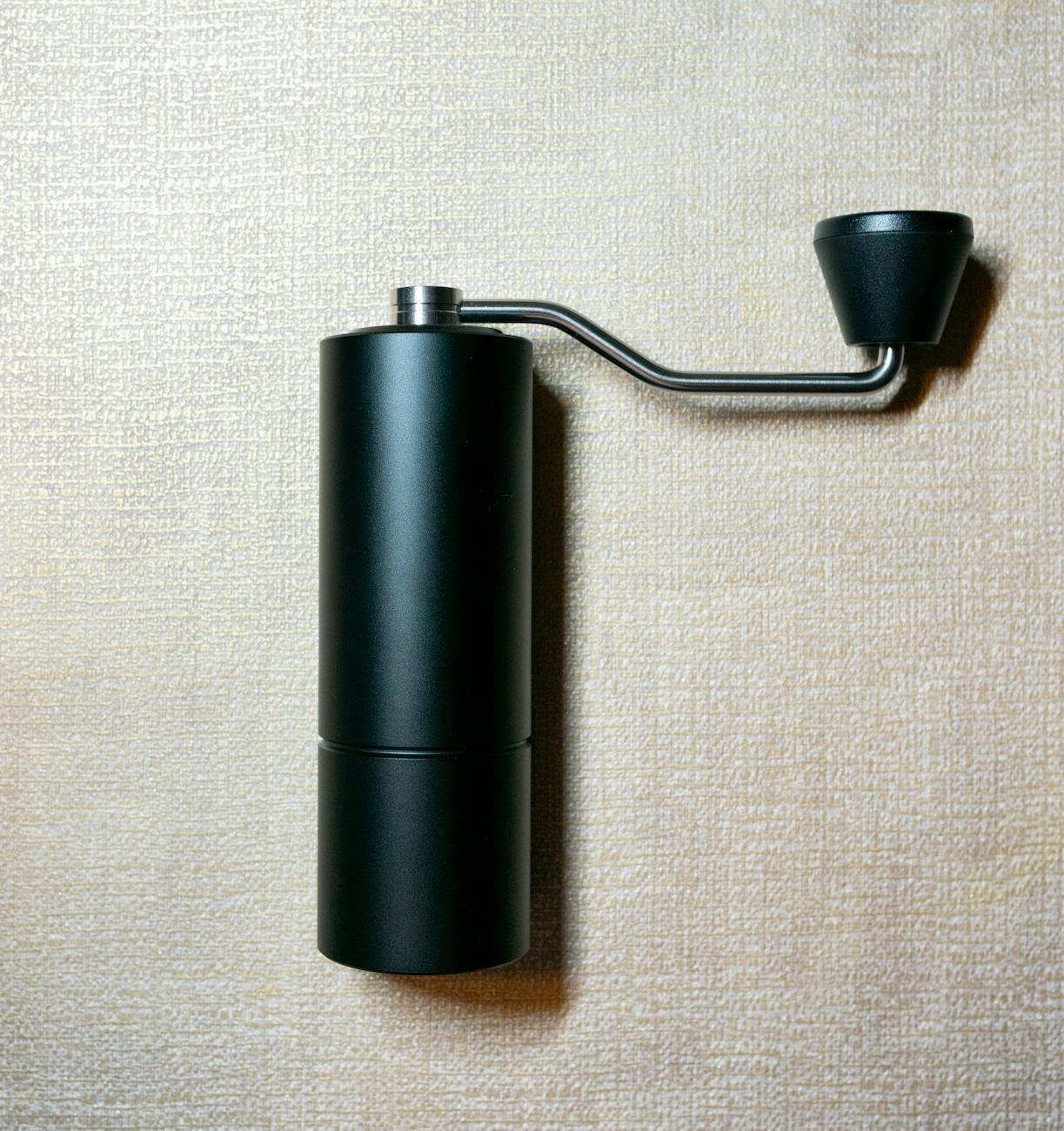
Espresso grinder retention vs exchange: Why freshness matters for every shot
The journey to the perfect espresso shot is a meticulous one. You source high-quality, freshly roasted beans, carefully weigh your dose, and perfect your tamping technique. But between the bean and the portafilter lies a critical, often-overlooked variable: your coffee grinder. While we obsess over burr size and grind consistency, two hidden gremlins can sabotage our efforts before we even pull the shot. These are grinder retention and grind exchange. Understanding these two concepts is not just for a professional barista; it is fundamental for anyone who wants to unlock the true potential of their coffee beans. This article will demystify retention and exchange, explaining how they directly impact the freshness, taste, and consistency of every single espresso you brew.
What is grinder retention?
At its core, grinder retention refers to the total amount of coffee grounds that remain inside your grinder after a grinding cycle is complete. Think of it as the leftover coffee that doesn’t make it out of the machine. These grounds get trapped in various nooks and crannies within the grinder’s internal mechanism, including:
- The grinding chamber around the burrs
- The exit chute or funnel
- Any declumping mechanism or screen
Every grinder has some level of retention, but the amount can vary dramatically from less than a tenth of a gram to several grams. Grinders are often categorized as high-retention or low-retention. A high-retention grinder might hold onto 3-5 grams (or more) of coffee, while a “zero-retention” or low-retention model, often designed for single dosing, might retain less than 0.2 grams. The immediate problem with this leftover coffee is that it instantly begins to go stale, oxidizing and losing its vibrant aromatic compounds.
Understanding grinder exchange
While retention tells us how much coffee is left inside, grinder exchange describes how much of that old, retained coffee is pushed out and replaced by fresh grounds during the next grinding session. This is where the real problem for freshness lies. Retention and exchange are linked, but they are not the same thing.
Imagine your grinder’s chute has 3 grams of retained grounds from yesterday. When you grind 18 grams of fresh beans today, you don’t simply get 18 grams of fresh grounds out. Instead, a process of exchange occurs. The new grounds push out some of the old grounds. In a grinder with poor exchange, the 18 grams that land in your portafilter might be a mixture of 15 grams of fresh grounds and 3 grams of stale, old grounds. The worst part is that 3 new grams are now left behind, waiting to go stale for tomorrow’s shot. This constant cycle of old grounds mixing with new is the true enemy of flavor and consistency.
The impact on your espresso
The consequences of high retention and poor exchange are not just theoretical; they show up directly in your cup. Stale grounds have a significant and detrimental effect on both the taste and the brewing process of your espresso.
From a taste perspective, the impact is devastating. Oxidized coffee grounds lose all the delicate, sweet, and floral notes that make a specialty coffee special. Instead, they contribute rancid, bitter, and woody flavors. This stale component “muddies” the flavor profile of your expensive, fresh beans, resulting in a cup that tastes flat and disappointing, no matter how perfectly you execute the rest of your technique.
From a consistency standpoint, it creates a moving target. Stale grounds behave differently than fresh grounds during extraction. They have less CO2 and offer less resistance to water, which can cause your shot to run too fast (a “gusher”), leading to a sour, under-extracted taste. Because the ratio of fresh to stale grounds can change slightly with each grind, you’ll find yourself constantly chasing the perfect grind setting. One shot might be too fast, the next too slow, making the process of “dialing in” a frustrating and wasteful experience.
Choosing a grinder that prioritizes freshness
Fortunately, grinder manufacturers are increasingly focused on solving this problem, especially for the home market. The most significant factor in managing retention and exchange is the grinder’s design philosophy: single dosing versus a traditional hopper-based design.
Single dosing grinders are built from the ground up for minimal retention. They feature direct, vertical grind paths, specially designed burr chambers, and no complex chutes where grounds can get trapped. The workflow involves weighing a precise dose of beans for a single shot, grinding it all through, and having nearly that exact weight end up in your portafilter. This ensures that every shot is made from 100% fresh grounds.
Traditional hopper grinders, often found in cafes, are built for speed and volume. Their design can sometimes lead to more retention. For these grinders, the only way to ensure freshness is to “purge” a few grams of coffee before grinding your actual dose, clearing out the old grounds. While effective, this is wasteful and adds an extra step to your workflow.
Here’s a simple comparison:
| Feature | Single Dosing Grinder | Traditional Hopper Grinder |
|---|---|---|
| Typical Retention | Very Low (often < 0.2g) | Moderate to High (1g – 5g+) |
| Grind Exchange | Excellent (what goes in, comes out) | Variable (often requires purging) |
| Best for | Home baristas, specialty coffee lovers, trying different beans | High-volume cafes, users with one primary coffee |
| Workflow | Weigh beans for each shot, grind, brew | Fill hopper, grind by time or volume |
| Coffee Waste | Minimal | Higher due to necessary purging |
Ultimately, your choice depends on your priorities. If you value exploring different beans and demand the freshest possible flavor in every single shot, a low-retention, single-dosing grinder is an essential investment.
Conclusion
In the pursuit of exceptional espresso, every detail matters. We have seen that grinder retention is the amount of coffee left behind, but poor grind exchange is the true culprit that contaminates your fresh coffee with stale, oxidized grounds. This contamination compromises the flavor of your espresso, introducing bitterness and flatness, while also making your shot-to-shot consistency a frustrating chase. By understanding these concepts, you are empowered to make a more informed decision when choosing a grinder. Opting for a low-retention model, particularly one designed for single dosing, is a direct investment in freshness and quality. It ensures that the effort you put into sourcing and preparing your coffee is fully realized in the final cup.
 No products in the cart.