

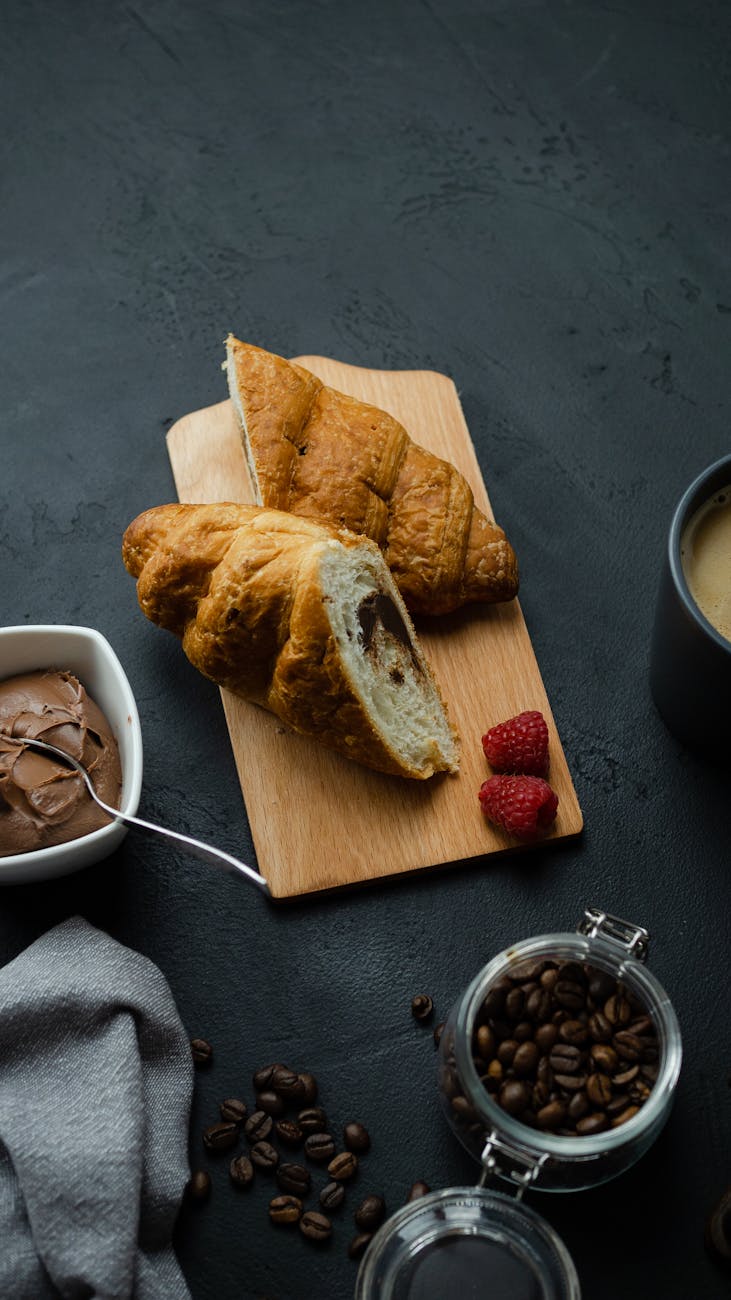
Dialing in espresso: The ultimate guide to pairing with rich pastries and creams
The classic pairing of a rich, buttery pastry with a shot of espresso is one of life’s simple luxuries. Yet, how often does this seemingly perfect match fall flat? A heavy cheesecake can completely overwhelm a delicate coffee, while a bitter, over-extracted espresso can create a harsh clash with a sweet cream puff. The secret to a truly sublime pairing isn’t just about choosing a good coffee; it’s about intentionally crafting an espresso shot to complement the food. This guide will explore the art and science of dialing in your espresso specifically for high-fat pastries and creams. We will delve into how to manipulate extraction variables to create a balanced, palate-cleansing shot that elevates, rather than competes with, your decadent treat.
Understanding the challenge: Fat, sugar, and espresso
Before we touch the grinder, it’s crucial to understand why some pairings fail. The primary culprits are fat and sugar. When you take a bite of a rich dessert like a croissant or a slice of tiramisu, the fats coat your tongue. This sensation, while delicious, can dull your ability to perceive nuanced flavors, effectively muting your espresso. If the espresso is too subtle or lacks structure, its delicate floral or fruity notes will simply disappear behind a wall of butter or cream.
Sugar presents a different challenge. High levels of sweetness in a pastry can make any perceived bitterness in your coffee taste more aggressive and unpleasant. An espresso that tastes perfectly balanced on its own might suddenly seem astringent and harsh when sipped after a bite of a sweet glaze or filling. The goal, therefore, is to pull a shot that has two key characteristics: enough acidity to slice through the palate-coating fats and a clean, low-bitterness finish that harmonizes with the sweetness.
The role of acidity and body in the perfect pairing
To achieve this balance, we need to focus on two fundamental elements of the espresso: its acidity and its body. Think of acidity not as sourness, but as brightness or a lively sparkle—the same quality that makes a squeeze of lemon cut through the richness of a creamy sauce. For pastry pairings, acidity is your most powerful tool. A coffee with prominent, clean acidity will act as a palate cleanser, refreshing your mouth after each bite and preparing it for the next. This allows you to taste both the pastry and the coffee more clearly.
Body, on the other hand, refers to the weight and texture of the espresso on your tongue. While a heavy, syrupy body can be desirable in a standalone shot, it can contribute to a feeling of heaviness when paired with an already dense dessert. For these pairings, we often want to aim for a slightly lighter body. A less viscous, more tea-like texture ensures the espresso feels refreshing and doesn’t add to the richness. The objective is to create a dynamic contrast: the rich, heavy pastry against a bright, clean, and relatively light-bodied espresso.
Adjusting your espresso recipe: A step-by-step guide
Now, let’s get practical. Dialing in for a pastry pairing involves pushing your recipe in a specific direction. It’s a deliberate move away from a “traditional” espresso shot towards something more tailored.
- Start with the right coffee: Your bean choice is foundational. Look for coffees known for their bright acidity. Washed-process beans from Ethiopia, Kenya, or high-altitude farms in Colombia and Costa Rica are excellent choices. A light to medium roast will preserve this acidity, whereas a dark roast will mute it in favor of roasty, bitter flavors.
- Lengthen the brew ratio: The brew ratio—the weight of your dry coffee dose versus the weight of your liquid espresso yield—is your primary tool for adjusting body and acidity. For a pastry pairing, move away from a tight ristretto (1:1.5) or normale (1:2) ratio. Instead, aim for a longer ratio, such as 1:2.5 or even 1:3. This adds more water to the extraction, reducing the body and highlighting the coffee’s inherent acidity.
- Adjust your grind: Pulling a longer shot in the same amount of time requires a slightly coarser grind setting than your standard recipe. If you simply let a finely-ground shot run long, you’ll over-extract and introduce intense bitterness. By grinding a touch coarser, you allow the water to flow through more freely, achieving that higher 1:2.5 or 1:3 yield within a desirable timeframe, typically around 25 to 32 seconds.
- Consider the temperature: While not the first variable to change, brew temperature can play a role. A slightly lower temperature (around 90-92°C or 194-198°F) can sometimes reduce the extraction of more bitter compounds, leading to a sweeter and cleaner cup that is more forgiving when paired with sugar.
Putting it into practice: Pairing examples and recipes
Theory is one thing, but application is everything. The key is to think about the specific characteristics of the pastry and create an espresso that provides a complementary contrast. A flaky, airy pastry might need a different pairing than a dense, creamy one. Experimentation is vital, but the table below provides a solid starting point for a few classic pairings. The recipes assume an 18-gram dose in your portafilter basket.
| Pastry Type | Primary Challenge | Espresso Goal | Suggested Recipe (18g Dose) |
|---|---|---|---|
| Butter Croissant | High fat, flaky texture, savory notes. | Bright, citrusy acidity to cut the butter, light body. | Coffee: Washed Ethiopian Ratio: 1:2.8 (18g in, 50g out) Time: ~28 seconds |
| New York Cheesecake | Dense, creamy, sweet, and tangy. | Sharp, fruity acidity to contrast the cream cheese, moderate sweetness. | Coffee: Kenyan AA Ratio: 1:2.5 (18g in, 45g out) Time: ~30 seconds |
| Chocolate Lava Cake | Rich, intense cocoa, very sweet. | Berry-like acidity to mimic a fruit pairing, clean finish to avoid bitterness clash. | Coffee: Natural process Ethiopian Ratio: 1:2.7 (18g in, 48g out) Time: ~27 seconds |
| Tiramisu | Creamy mascarpone, subtle coffee notes, sweetness. | Delicate acidity, avoiding overpowering the existing coffee flavor. | Coffee: Washed Colombian Ratio: 1:2.5 (18g in, 45g out) Time: ~29 seconds |
Final thoughts on the perfect pairing
Achieving the perfect harmony between espresso and a rich pastry is an active process of tasting and adjusting. It transforms coffee from a simple beverage into a dynamic culinary component. Remember that the goal is balance. Your espresso should act as a counterpoint, using its brightness and clean finish to cut through richness and reset your palate with every sip. By selecting coffees with prominent acidity and purposefully pulling longer shots with a lighter body, you move beyond a generic pairing into a truly curated experience. Don’t be afraid to experiment with different beans, ratios, and grind sizes. The journey of dialing in is half the fun, and the result is a coffee break that feels intentional, delicious, and deeply satisfying.

 No products in the cart.