

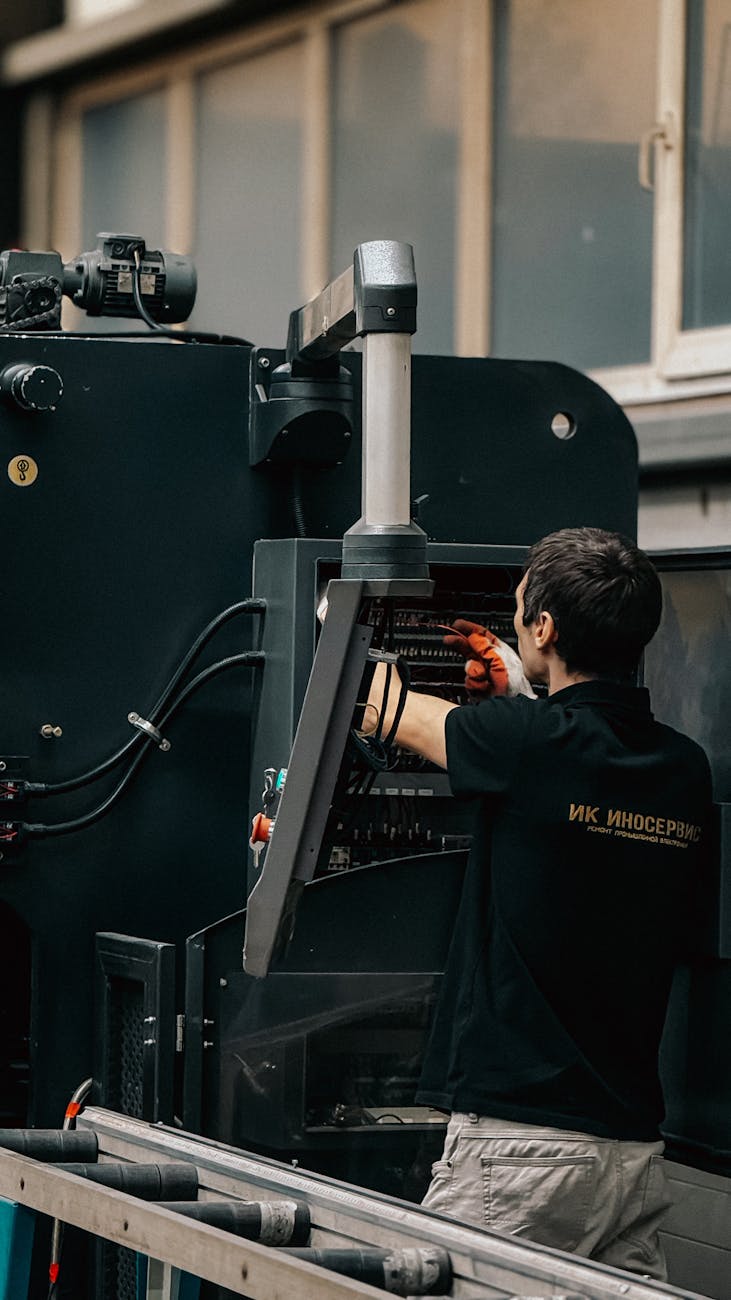
The La Peppina is a marvel of mid-century design, a spring-lever espresso machine beloved for its simplicity and the exceptional shots it can produce. However, like any vintage mechanical device, it can develop issues over time. One of the most common and frustrating problems owners face is a gradual loss of brewing pressure, resulting in weak, under-extracted, and disappointing espresso. This article will serve as your comprehensive guide to diagnosing the root causes of weak pressure in the La Peppina mechanism. We will move systematically from the simplest external factors to the more involved internal components, empowering you to identify the problem and restore your classic machine to its former glory, ensuring every pull is rich and satisfying.
Start with the basics: Coffee, grind, and technique
Before you reach for a single tool, it’s crucial to rule out the most common causes of a seemingly weak extraction: your brewing variables. The La Peppina, with its direct feedback, is highly sensitive to user technique. A weak shot is often not a machine fault but a puck preparation issue. The first thing to analyze is your grind size. If the coffee grounds are too coarse, water will rush through the puck with little resistance, mimicking a low-pressure situation. The lever will offer minimal pushback, and the shot will pour out quickly, looking pale and tasting sour. Conversely, a grind that is too fine will choke the machine, preventing water from passing through at all.
Next, consider your dose and tamp. An insufficient amount of coffee in the basket (under-dosing) leaves too much headspace, preventing a dense, stable puck from forming. This also leads to a fast, watery shot. Tamping is equally critical. An uneven or overly light tamp creates channels, which are small pathways of least resistance that water will exploit. This results in an uneven extraction where some grounds are over-extracted and others are barely touched, leading to a weak and unbalanced flavor. Before diagnosing a mechanical failure, always pull a few test shots, making fine adjustments to your grind and ensuring a consistent, level tamp.
The usual suspects: Piston seals
If you’ve perfected your puck preparation and the pressure is still lacking, the next logical place to investigate is the heart of the pressure system: the piston seals. The La Peppina uses two seals on its piston to create the necessary pressure to force water through the coffee puck. Over decades of use, heat, and compression, these rubber or silicone seals are the primary wear item. When they fail, they lose their ability to create a perfect seal against the cylinder wall.
Symptoms of failing piston seals include:
- A spongy or soft feeling when pulling down the lever.
- The lever offering very little resistance on its upward travel.
- Water leaking past the piston and emerging from the top of the group head.
- Noticeably lower shot volume than usual.
Visually inspecting the seals requires some disassembly of the group head. Once exposed, look for seals that are hard, brittle, cracked, or visibly shrunken. A healthy seal should be pliable and fill the groove in the piston snugly. If your seals show any of these signs, replacement is not just recommended, it’s essential. This single repair is often all that’s needed to transform a weak, struggling machine into a powerful espresso producer once again.
Deeper inspection: The group cylinder and shower screen
Let’s say you’ve replaced the piston seals with a fresh set, yet the pressure issue persists. While less common, the problem may lie with the surface the seals press against. The internal wall of the group head cylinder must be smooth and free of defects to allow for a proper seal. Years of use, especially with hard water, can lead to scale buildup or even pitting and corrosion on the cylinder walls. Run your finger along the inside of the cylinder; it should feel perfectly smooth. Any roughness, scoring, or visible scale deposits can create tiny gaps that allow water to bypass the seals under pressure.
A thorough cleaning with a descaling solution may resolve issues of buildup. Deeper scoring or pitting, however, is a more serious problem that might require professional honing to fix. While you have the group head disassembled, take the opportunity to inspect the shower screen. A heavily clogged shower screen can restrict water flow, which might be misinterpreted as a pressure issue. Debris and old coffee oils can block the tiny holes, preventing even water distribution and reducing the overall flow rate. A deep clean or a simple replacement can make a significant difference.
Troubleshooting summary table
To help consolidate the diagnostic process, here is a quick reference table outlining common symptoms and their likely causes.
| Symptom | Potential Cause | Recommended Action |
|---|---|---|
| Shot pulls very fast; crema is thin and pale. | Grind is too coarse or dose is too low. | Adjust grinder to a finer setting. Ensure proper coffee dose for the basket. |
| Lever feels spongy and has little upward resistance. | Worn or damaged piston seals. | Disassemble group head and replace both piston seals. |
| Shot flow is weak or drips slowly, even with a correct grind. | Clogged shower screen or scale buildup in the group. | Remove and deep clean or replace the shower screen. Descale the machine. |
| New seals installed, but pressure is still low. | Scoring or scale on the cylinder wall. | Thoroughly clean and inspect the inner cylinder wall for damage. |
Diagnosing weak pressure in a La Peppina is a process of elimination that rewards a systematic approach. By following the logical path laid out in this guide, you can effectively pinpoint the source of the problem. Always begin with the easiest and most common culprits: your brewing variables. Mastering your grind, dose, and tamp is fundamental to any great espresso. If the issue persists, move onto the mechanical components, starting with the piston seals, which are the most frequent point of failure. Only after addressing these should you investigate the condition of the cylinder walls and shower screen. By taking these steps, you not only fix the immediate issue but also gain a deeper understanding of how your beautiful machine works, ensuring many more years of delicious, high-pressure espresso.
 No products in the cart.