

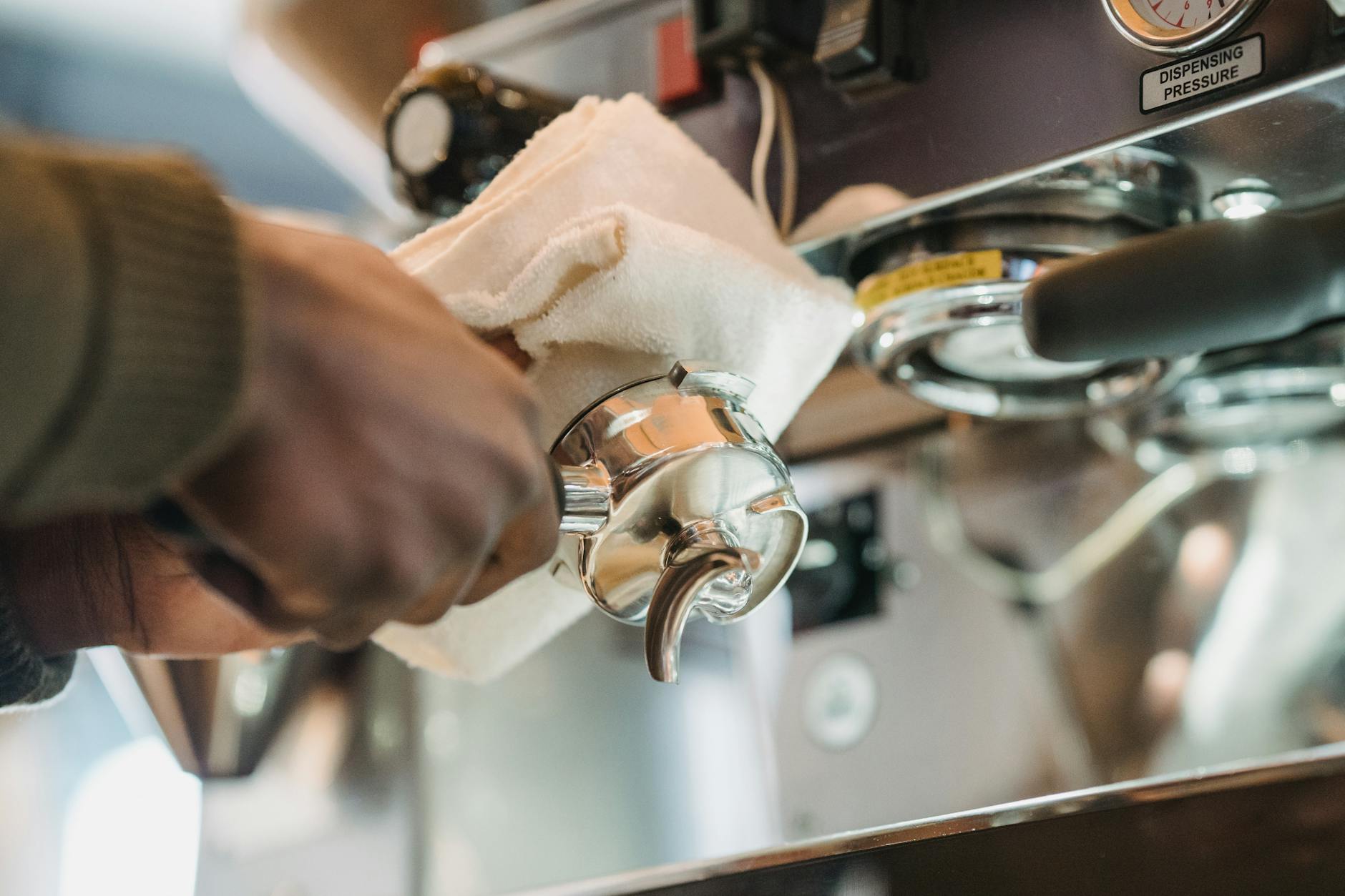
Unlock better espresso: A guide to deep cleaning your DeLonghi ECP3420 shower screen
Your DeLonghi ECP3420 is a fantastic gateway into the world of authentic espresso, capable of pulling rich, aromatic shots right in your kitchen. But if you’ve noticed a decline in taste or your shots are becoming inconsistent, the culprit might not be your beans or your technique. Often, the hidden cause is a dirty group head, specifically the shower screen and gasket. These crucial components are ground zero for the buildup of coffee oils and fine particles. Over time, this residue turns rancid, spoiling the flavor of your coffee and even impeding water flow. This comprehensive guide will walk you through the essential process of deep cleaning your ECP3420’s shower screen and gasket, a simple maintenance task that yields dramatic improvements in every single cup.
Why a clean shower screen is your espresso’s best friend
Before we grab the tools, it’s important to understand what these parts do and why their cleanliness is non-negotiable for quality espresso. The shower screen is the metal disc with tiny holes that you see when you look up into the group head where you lock in your portafilter. Its job is to distribute the hot water from the boiler evenly and gently over the surface of the coffee puck. The rubber gasket, or group seal, is the ring that sits around the shower screen, creating a high-pressure seal with the portafilter to prevent leaks during extraction.
When these parts get dirty, problems begin. Clogged holes in the shower screen lead to uneven water distribution, causing “channeling” in your coffee puck. This is where water finds paths of least resistance, over-extracting some parts of the coffee (making it bitter) and under-extracting others (making it sour). Furthermore, the accumulated coffee oils and grounds are constantly exposed to heat, causing them to degrade and impart a stale, bitter, and rancid flavor to your fresh espresso. A dirty gasket can fail to create a proper seal, leading to messy leaks and a loss of pressure, which is vital for proper extraction.
Gathering your tools for the job
Performing this deep clean doesn’t require a professional toolkit, but having the right items on hand makes the process smooth and effective. You likely have most of these around your home already. The most important specialized item is an espresso machine cleaning powder, which is specifically formulated to dissolve stubborn coffee oils without damaging your machine’s components. Avoid using vinegar or other harsh household cleaners, as they can corrode metal parts and degrade the rubber gasket.
Here is a simple breakdown of what you’ll need:
| Tool | Purpose |
|---|---|
| Phillips head screwdriver | To remove the central screw holding the shower screen. |
| Small flathead screwdriver or spoon | To gently pry the rubber gasket out of its housing. |
| Espresso machine cleaning powder | A food-safe detergent (like Cafiza) designed to break down coffee residue. |
| A small bowl | For creating your cleaning solution and soaking the parts. |
| Stiff-bristled brush | For scrubbing the screen, group head, and other components. |
| Soft, clean cloths | For wiping down and drying everything thoroughly. |
Step-by-step removal and deep cleaning process
With your tools ready, you can now begin the deep cleaning process. Set aside about 30-45 minutes for this task. The key is to be gentle and methodical, especially when removing the gasket.
- Safety first: Ensure your DeLonghi ECP3420 is turned off, unplugged, and has had at least an hour to cool down completely. Working on a hot machine is dangerous.
- Remove the shower screen: Lie the machine on its back or tilt it so you can easily see the group head. Use your Phillips head screwdriver to remove the single screw in the center of the shower screen. It may be tight, so apply firm, steady pressure. The screen and a metal plate behind it will come loose.
- Pry out the gasket: This is the trickiest part. Use a small flathead screwdriver or the handle of a spoon to gently work your way around the edge of the rubber gasket, prying it downwards. Be careful not to puncture or tear it. It will eventually pop out.
- Soak the metal parts: In your bowl, dissolve about half a teaspoon of espresso machine cleaning powder in very hot water. Place the shower screen, the metal plate, and the screw into this solution. Let them soak for 20-30 minutes. Do not place the rubber gasket in this chemical solution, as it can cause the rubber to become brittle.
- Clean the group head: While the parts are soaking, use your stiff brush and a damp cloth to thoroughly clean the inside of the group head on the machine itself. Scrub away all the caked-on coffee grounds you see in the crevices.
- Scrub and rinse: After soaking, use your brush to scrub the shower screen and plate, ensuring all the tiny holes are clear. Rinse all the soaked parts thoroughly under running water to remove all traces of the cleaning solution.
- Clean the gasket: Wash the rubber gasket separately in a bowl of warm, soapy water. Use a soft cloth to wipe away any residue. Rinse it well and dry it completely.
Reassembly and a final flush
Once every component is sparkling clean and completely dry, it’s time to put your machine back together. This is also a perfect opportunity to inspect the gasket for wear and tear. If it feels hard, brittle, or has any cracks, it’s time to order a replacement to ensure a perfect seal for future extractions. A new gasket is a small investment that makes a huge difference.
Reassemble the parts in the reverse order of how you took them apart. First, carefully press the gasket back into its groove in the group head, ensuring it is seated evenly all the way around. Next, place the metal plate back in position, followed by the shower screen. Finally, re-insert the central screw and tighten it until it is snug. Avoid over-tightening, as this can damage the threads. Once assembled, plug your machine back in, turn it on, and run two or three full cycles using only water (without the portafilter attached). This final flush will rinse away any remaining cleaning residue and confirm that everything is working perfectly.
Conclusion
By following these steps, you have successfully deep cleaned the heart of your DeLonghi ECP3420. This essential maintenance routine directly impacts the quality of your coffee, transforming potentially bitter or inconsistent shots into the rich, balanced, and flavorful espresso you crave. You have removed the rancid oils and blockages that spoil taste and strain your machine’s performance. Incorporating this deep clean every one to three months, depending on your usage, will not only guarantee better-tasting coffee but will also significantly extend the life of your espresso machine. Now, with a pristine group head, you can confidently pull your next shot, knowing you are getting the absolute best flavor from your beans. The reward for your small effort is a consistently perfect cup.
 No products in the cart.