

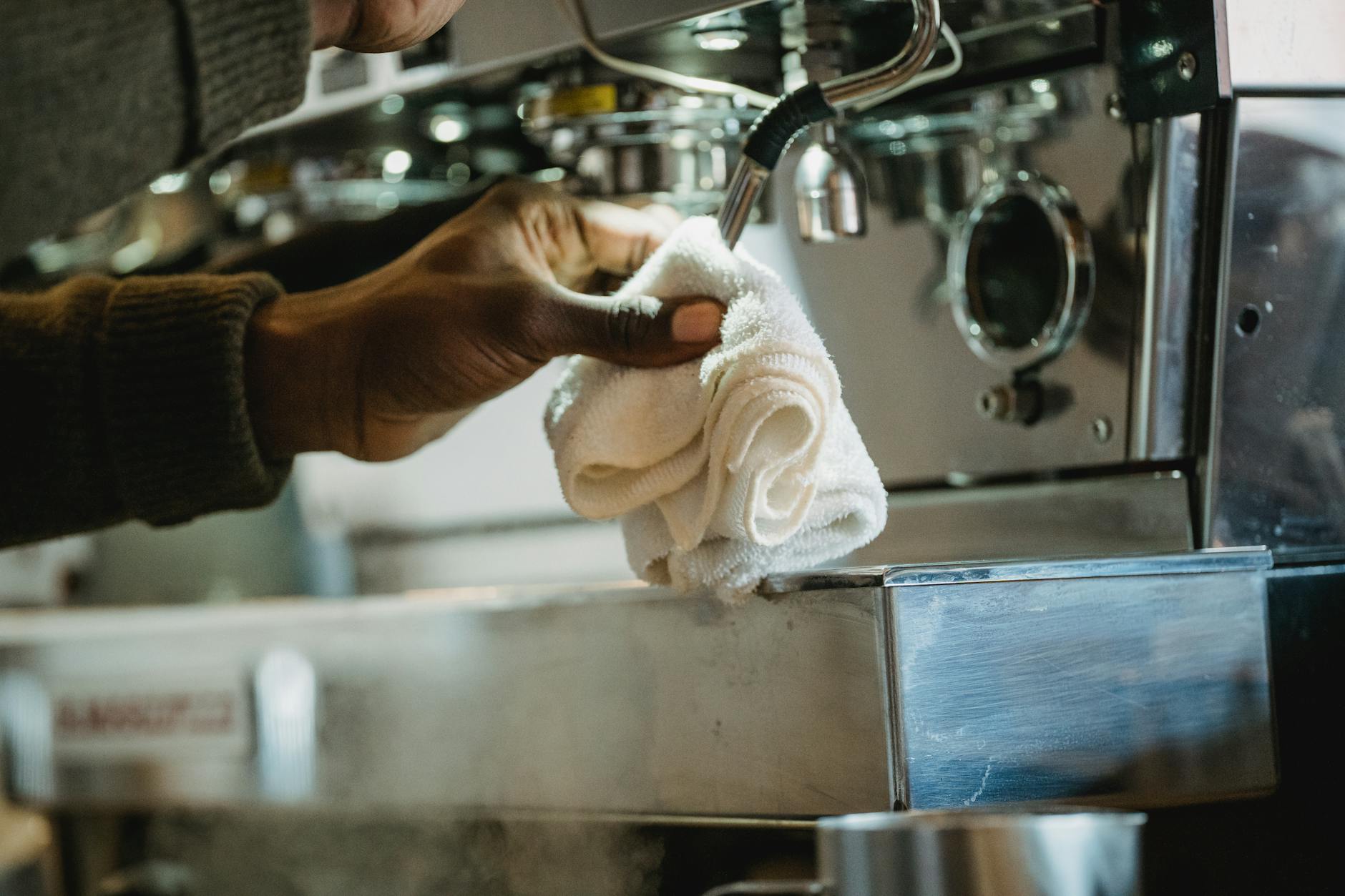
Manual vs electric espresso machine maintenance: A complete guide
The allure of pulling a perfect espresso shot at home has led many coffee lovers down the rabbit hole of choosing the right machine. The market is broadly split between traditional, hands-on manual lever machines and convenient, powerful electric models. While performance and price are primary considerations, a crucial, often-overlooked factor is long-term maintenance. The daily, weekly, and yearly care your machine requires will significantly impact your ownership experience and the longevity of your investment. This guide delves deep into the maintenance requirements of both manual and electric espresso machines, comparing everything from daily cleaning rituals to long-term repairs, to help you decide which path best suits your lifestyle and commitment to the craft of coffee.
Understanding the mechanical differences
To grasp why maintenance routines differ so dramatically, we first need to look under the hood. The core designs of manual and electric machines are fundamentally different, and this dictates their upkeep.
A manual espresso machine, often called a lever machine, is a study in simplicity. Its beauty lies in its mechanical nature. You, the user, provide the pressure to extract the espresso by pulling down a lever. This lever directly moves a piston, which forces hot water from the boiler (or a separate kettle) through the coffee grounds. There are no electric pumps, no complex solenoid valves, and no electronic circuit boards. The entire system consists of a few key components: a boiler (in some models), a piston, a lever mechanism, and a group head. This mechanical simplicity is its greatest strength when it comes to maintenance, as there are far fewer parts that can malfunction or require complex servicing.
Conversely, an electric espresso machine (including semi-automatic and automatic models) prioritizes convenience through complexity. Instead of a lever, an electric pump generates the consistent 9 bars of pressure needed for espresso. A network of internal plumbing, controlled by electronic solenoids and flowmeters, directs the water flow. A digital controller or PID manages temperature stability. While these components deliver consistency and ease of use at the push of a button, they also introduce multiple potential points of failure. This intricate system of electronics and pressurized plumbing requires a more involved and specific maintenance regimen to keep it running smoothly.
Daily and weekly cleaning routines
While the internal mechanics are worlds apart, the daily goals of cleaning are similar: remove coffee oils and grounds to ensure fresh-tasting coffee. However, the weekly tasks begin to highlight the key differences rooted in their design.
For a manual machine, the daily routine is straightforward and quick. After each shot, you’ll want to:
- Wipe the shower screen to remove stray grounds.
- Rinse the portafilter and basket thoroughly.
- Wipe down the machine and drip tray.
Weekly, a more thorough cleaning of the shower screen and a soak for the portafilter and basket in a coffee-specific cleaner like Cafiza is good practice. Because there’s no pressure-release valve system, the cleaning process remains direct and simple. You are essentially just cleaning the parts that touch the coffee.
An electric machine shares the same daily tasks, but its weekly routine introduces a critical step: backflushing. Most semi-automatic machines have a three-way solenoid valve that releases excess pressure from the group head after a shot is pulled, leaving a dry puck of coffee. This valve and the internal pathways of the group head can become clogged with coffee oils. Backflushing involves using a “blind” basket (one with no holes) in your portafilter. You run the pump for a few seconds, building pressure that is then forced back through the system and out the drain valve, cleaning the internals. This is a non-negotiable weekly task to prevent blockages and off-flavors in your coffee—a task manual machines simply don’t require.
Long-term maintenance and descaling
Over months and years of use, deeper maintenance becomes necessary. This is where the differences in complexity and cost become most apparent, particularly concerning scale buildup and parts replacement.
Descaling, the process of removing mineral buildup from hard water, is a crucial task for any machine with a boiler. On many manual machines, this process is relatively simple. For lever machines with small, open boilers like a La Pavoni, you can often directly add a descaling solution, heat it, and flush it out with ease. Some manual machines, like the Flair or Robot, have no boiler at all—you add hot water from a kettle for each shot. For these, descaling is a complete non-issue, eliminating one of the biggest maintenance headaches.
Descaling an electric machine can be a more involved and nerve-wracking process. The descaling solution must be run through a complex network of narrow tubes, a pump, and heating elements. If not done correctly or regularly, scale can break off in chunks and cause blockages that require professional servicing. The stakes are higher, as scale buildup can permanently damage expensive components like the pump or boiler.
When it comes to replacing parts, the simplicity of a manual machine is again a major advantage. The most common wear-and-tear items are rubber and silicone gaskets and seals. These are inexpensive and can typically be replaced by the owner with basic tools. For an electric machine, you have the same gasket wear, but you also have a list of more expensive components that can fail: the pump, solenoid valves, heating elements, and electronic boards. A pump failure can cost hundreds of dollars to repair and is often a job for a qualified technician, leading to both higher costs and machine downtime.
Maintenance at a glance: A comparative summary
The choice between manual and electric often comes down to a trade-off between convenience and maintenance simplicity. A manual machine asks for more effort in making the coffee but less in long-term care. An electric machine automates the coffee-making but demands a more rigid and technical maintenance schedule. The table below breaks down the key differences.
| Maintenance Task | Manual Espresso Machine | Electric Espresso Machine |
|---|---|---|
| Daily Cleaning | Simple wipe-down and rinse of components. | Simple wipe-down and rinse of components. |
| Weekly Cleaning | Thorough rinse, optional chemical soak of portafilter. | Crucial: Backflushing with a blind basket and detergent. |
| Descaling | Simpler process, or not required at all (for non-boiler models). | More complex and critical to prevent damage to internal parts. |
| Common Parts to Replace | Inexpensive gaskets and seals. | Gaskets, seals, plus potentially expensive pumps, solenoids, or electronics. |
| DIY Repair Friendliness | High. Simple mechanics make for easy user-servicing. | Low to moderate. Many repairs require technical expertise. |
| Long-term Cost of Ownership | Generally lower due to fewer failure points and cheaper parts. | Potentially higher due to risk of expensive component failure. |
Conclusion: Choosing your maintenance path
Ultimately, the decision rests on your personal priorities. Manual espresso machines are the clear winners for those who value simplicity, longevity, and low long-term maintenance costs. They reward a hands-on approach and are built to last for decades with minimal, straightforward care. If you enjoy tinkering and want a machine you can easily service yourself, a manual lever is an excellent choice. In contrast, electric espresso machines offer unparalleled convenience and consistency, but this comes at the price of a more demanding and complex maintenance schedule. You must be diligent with tasks like backflushing and descaling. The ideal owner is someone who prioritizes ease-of-use and is prepared for the potentially higher long-term service costs and complexities.
 No products in the cart.