

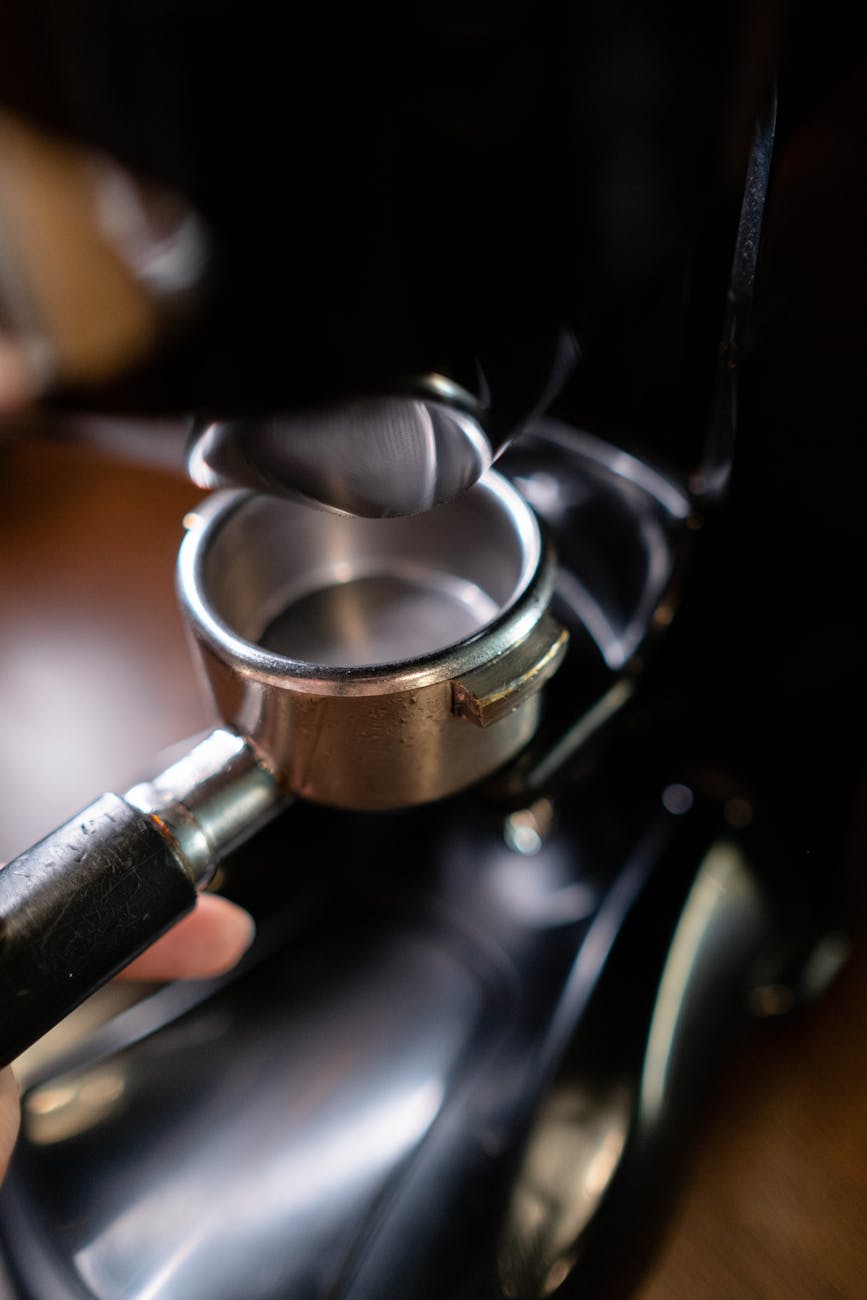
Mastering temperature: A guide to preheating your espresso portafilter
The quest for the perfect shot of espresso is a journey of a thousand tiny details. From the grind size and dose to the tamping pressure, every variable counts. Yet, one of the most critical and often overlooked factors is temperature stability. A cold portafilter, that heavy chunk of brass or stainless steel, can act as a massive heat sink, stealing precious degrees from your brew water the moment it hits the coffee grounds. This sudden temperature drop can lead to a sour, under-extracted, and disappointing shot. This article will dive deep into the world of portafilter preheating, comparing various techniques to help you stabilize your brew temperature and unlock the full potential of your coffee beans. We’ll explore why it matters and break down the pros and cons of each method.
Why a cold portafilter is your espresso’s enemy
Think of your espresso machine’s group head as a finely tuned engine, maintaining water at a precise temperature, often around 93°C (200°F). Now imagine introducing a cold, heavy piece of metal directly into that stable environment. The portafilter, especially a high-quality, heavy-duty one, has significant thermal mass. When it’s at room temperature, it will immediately start absorbing heat from the brew water. This can cause the initial water contacting your coffee puck to be several degrees cooler than intended.
This temperature drop has a direct and negative impact on extraction. The compounds in coffee that create sweetness and complex, desirable flavors extract best within a specific temperature range. When the water is too cool, these compounds don’t dissolve properly. Instead, you primarily extract the more acidic compounds, resulting in a shot that tastes sour and thin. Preheating your portafilter ensures that it is at or near brew temperature, minimizing this thermal shock and creating a stable environment for a balanced and delicious extraction. It’s a fundamental step toward achieving shot-to-shot consistency.
Classic methods: Using your machine’s power
The most common preheating techniques leverage the heat generated by the espresso machine itself. They are integrated into the workflow and require no extra equipment, making them an excellent starting point for any home barista. The two primary methods in this category are locking the portafilter into the group head and flushing it with hot water.
Locking into the group head is the most passive technique. After your machine has warmed up, you simply lock the clean, empty portafilter into the group head and leave it there. The direct contact allows heat to transfer from the group head to the portafilter.
- Pros: It’s effortless and becomes a natural part of the machine’s warm-up routine.
- Cons: This method can be slow, sometimes taking 15-30 minutes to heat the portafilter thoroughly. On some machines, it may not get the portafilter hot enough, especially the bottom of the basket.
A more active approach is flushing with hot water. This involves locking the portafilter in and running a “blank shot” of hot water through it for several seconds. This directly and quickly transfers heat to the metal.
- Pros: It’s much faster than the passive method and actively heats the basket and spouts.
- Cons: It uses water from your boiler, can be a bit messy, and may not heat the entire portafilter body as evenly as other techniques. You must also remember to dry the basket thoroughly before dosing your coffee.
Advanced techniques for the perfectionist
For those seeking maximum temperature stability or a faster workflow, more active and dedicated preheating methods can be employed. These techniques offer more control and can often heat the portafilter more thoroughly or quickly than relying on the group head alone. They are particularly useful for back-to-back shots or for machines with lower thermal mass in their group heads.
One popular method is using the hot water from a kettle or the machine’s spigot. This involves filling a mug with hot water and resting the portafilter’s head in it. The full immersion ensures the entire metal head is heated evenly and deeply. This is arguably the most effective method for achieving a uniformly hot portafilter. The main drawback is that it adds an extra step and requires you to meticulously dry the portafilter, especially the inside of the basket, before you can add your ground coffee.
Another, more aggressive, technique involves using the steam wand. By directing the powerful steam jet into the portafilter basket, you can heat it to a very high temperature in mere seconds. While incredibly fast, this method has its risks. It’s easy to overheat the portafilter, potentially scalding the coffee grounds. It also leaves a lot of condensation that must be wiped away, which can partially cool the metal you just heated. It’s a method best used with caution and precision.
Comparing the methods: Which is right for you?
Choosing a preheating technique depends on your equipment, your workflow, and how much of a perfectionist you are. There is no single “best” method, only the one that works best for your specific situation. A beginner might prefer the simplicity of locking the portafilter in, while someone pulling multiple shots for guests might opt for the speed of a hot water flush. The key is to be consistent. Whatever method you choose, do it the same way for every shot to eliminate one more variable from the complex equation of espresso.
Here is a simple breakdown to help you decide:
| Technique | Speed | Effectiveness | Convenience | Potential Drawbacks |
|---|---|---|---|---|
| Locking in Group Head | Slow | Moderate | Very High | Time-consuming; may not be hot enough. |
| Hot Water Flush | Fast | Good | High | Wastes water; requires drying. |
| Hot Water Immersion | Moderate | Excellent | Moderate | Requires extra vessel; requires thorough drying. |
| Steam Wand | Very Fast | High | Low | Risk of overheating; noisy; leaves condensation. |
Conclusion
In summary, preheating your portafilter is not just a fussy step for professionals; it is a cornerstone of good espresso preparation. A cold portafilter robs your brew water of heat, leading directly to under-extraction and sour, unsatisfying shots. We’ve explored several techniques, from the simple and passive method of locking it into the group head to more active approaches like hot water flushes or immersion baths. Each has its own balance of speed, effectiveness, and convenience. The best method for you will depend on your machine and personal workflow. The ultimate goal is consistency. By choosing a method and sticking with it, you eliminate a major variable and take one giant leap closer to brewing consistently delicious espresso at home.

 No products in the cart.