

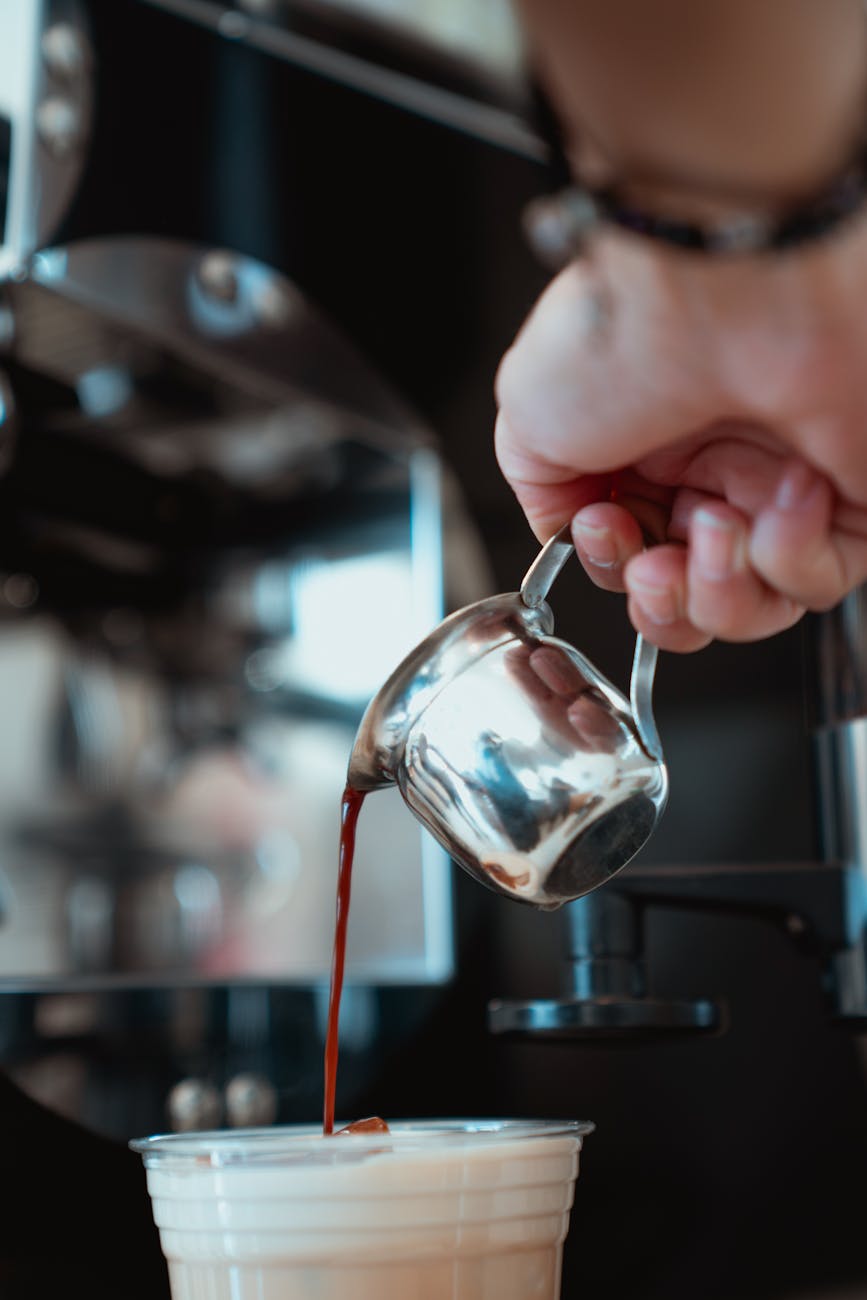
Conquering the Cremina: Your guide to avoiding espresso channeling
The Olympia Cremina is a legend in the world of espresso. Its timeless design, robust build, and purely manual operation offer a direct, tactile connection to the art of coffee making. When handled correctly, it produces shots of unparalleled texture and flavor. However, this direct control also means there is no room for error. One of the most common frustrations for new and even experienced Cremina owners is espresso channeling—when water punches a hole through the coffee puck instead of flowing through it evenly. This results in a fast, watery, and sour shot. This article will explore the common mistakes that lead to channeling on the Cremina and provide clear, actionable steps to help you pull a perfect, syrupy shot every time.
The foundation: Flawed puck preparation
More than any other factor, what you do before you pull the lever determines the fate of your shot. The goal of puck preparation is to create a coffee bed of uniform density, so water flows through it evenly. Any inconsistency becomes a weak point, a path of least resistance for the water to exploit, leading directly to channeling. Three key areas demand your attention:
- Grind inconsistency: The Cremina is unforgiving of a subpar grind. A grinder that produces a wide range of particle sizes, with too many large “boulders” and super-fine “fines,” creates a chaotic puck structure. Water will rush past the large particles and get clogged by the fines, forcing a channel to form elsewhere. Investing in a high-quality espresso grinder with sharp burrs is not a luxury; it is a necessity for taming this machine.
- Poor distribution: When grounds fall from the grinder into the portafilter, they often form clumps and mounds. If you tamp this uneven pile, you create dense spots and loose spots within the puck. To fix this, use the Weiss Distribution Technique (WDT). By using a tool with fine needles to stir the grounds in the basket, you break up clumps and distribute the coffee evenly, creating a homogenous bed for tamping.
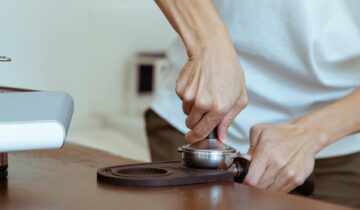
- Uneven tamping: Many people obsess over tamping pressure, but with the Cremina, a level tamp is far more important. If you press down harder on one side, you create a slanted, unevenly compressed puck. When water is introduced, it will naturally flow faster through the less-compacted, higher side of the puck, creating a channel right against the basket wall. Focus on a comfortable, consistent press and ensure your tamper is perfectly parallel to the rim of the basket.
Managing temperature and pre-infusion
Once your puck is perfectly prepared, the next variables to control are heat and water. The Cremina’s grouphead temperature is manually managed, and its pre-infusion is entirely up to you. Getting these wrong can ruin an otherwise perfect puck.
An overheated grouphead is a common culprit. If the group is too hot, the water can flash-boil as it hits the coffee, causing the puck to fracture and creating instant channels. You can manage this by feeling the group; it should be hot to the touch, but not so hot that you can’t hold your hand on it for a few seconds. If it’s too hot, use a cool, damp cloth to wipe it down or lock in a blind portafilter filled with cool water to draw some heat away.
Proper pre-infusion is your secret weapon against channeling. This is the act of gently saturating the puck with low-pressure water before applying the full force of the lever. To do this, slowly raise the lever until you feel the resistance of water entering the chamber, and then stop. Hold it there for 5-10 seconds. You should see the first few drops of dark espresso begin to form on the bottom of the basket. This process allows the coffee to swell, settling into a stable structure that can withstand the pressure of the full extraction. Rushing this step is like trying to run on sand without letting your feet settle first; the ground will shift beneath you.
The pull: Lever pressure and technique
The physical act of pulling the shot is the final performance. All your preparation leads to this moment, and a poor technique can undo all your hard work. The key here is smooth and steady pressure. Jamming the lever down abruptly will apply a sudden, violent force to the puck, easily fracturing it.
Instead, your pull should be a graceful, progressive ramp-up of pressure. As you begin to press down, feel the resistance from the puck. Apply firm, consistent force throughout the extraction. The entire pull for a standard shot should take around 25-30 seconds, starting from the moment you begin applying full pressure. Watch the stream from a bottomless portafilter; it should start as dark drips, coalesce into a single, syrupy stream in the center, and blond toward the end of the shot. If you see jets spraying out to the side or the stream is watery and pale from the start, you are experiencing channeling. Avoid any side-to-side wiggling of the lever, as this can also disturb the puck’s integrity. Focus on a clean, vertical push.
Equipment, dosing, and maintenance
Finally, the tools you use and how you maintain them play a subtle but significant role. A clean machine is a happy machine. A dirty shower screen with caked-on coffee oils will dispense water unevenly, creating high-pressure streams that drill into your puck. Likewise, clogged holes in your filter basket will prevent a uniform extraction. Make backflushing with a blind basket and cleaning your equipment with a dedicated coffee detergent part of your regular routine.
Your dose, or the amount of coffee you use, is also critical. Every basket is designed to perform best within a specific dose range. Overfilling the basket can cause the puck to press against the shower screen when you lock in the portafilter, fracturing its surface before you even add water. Underfilling leaves too much headspace, allowing the initial rush of water to disturb the grounds, creating a soupy mess instead of a stable puck. Find the right dose for your basket and stick to it.
| Basket Size | Typical Dose Range (grams) | Common Mistake |
|---|---|---|
| 49mm Single | 7-9g | Difficult to prepare; very prone to channeling if not perfect. |
| 49mm Double | 12-15g | Over-dosing above 15g can cause screen contact. |
| 49mm Triple / Aftermarket | 16-18g | Requires a very fine grind and excellent distribution. |
By paying close attention to your equipment and dose, you eliminate hidden variables that could be undermining your otherwise excellent technique.
Conclusion
Taming the Olympia Cremina is a journey that rewards patience and meticulous attention to detail. As we’ve seen, espresso channeling is not a single problem but the result of a breakdown in a chain of events. It begins with the foundation of your shot: a consistent grind, even distribution, and a level tamp. It continues with the careful management of grouphead temperature and a gentle, thorough pre-infusion to stabilize the puck. Finally, it culminates in a smooth, steady pull of the lever. Neglecting any one of these steps can compromise the integrity of the puck and lead to a disappointing shot. By methodically addressing each stage of the process, from bean to cup, you can transform channeling from a daily frustration into a rare occurrence, unlocking the truly exceptional espresso the Cremina is famous for.
 No products in the cart.