

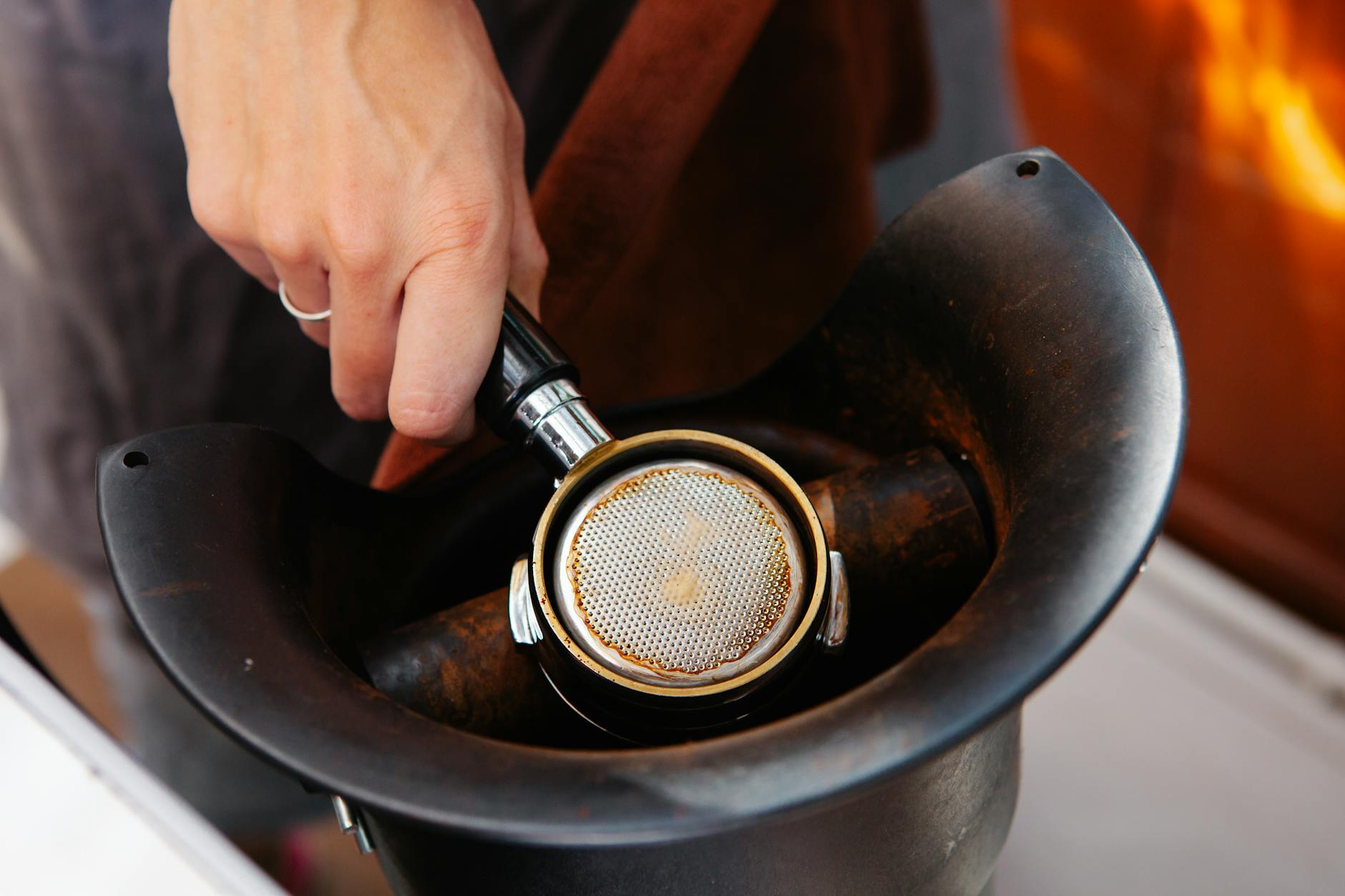
Mastering the lever: Common mistakes beginners make with manual espresso machines
The allure of a manual espresso lever machine is undeniable. It represents a return to the craft of coffee making, offering unparalleled control and a tactile connection to the brewing process. The gleaming chrome and the satisfying pull of the lever promise a truly exceptional shot of espresso. However, this level of control comes with a steep learning curve. For beginners, the initial experience can be frustrating, leading to sour, bitter, or watery shots. This article is designed to guide you through the most common pitfalls new users encounter. We will explore the critical roles of grind consistency, puck preparation, temperature management, and the lever action itself, helping you avoid disappointment and start pulling beautiful, delicious espresso.
Neglecting the grind size and consistency
The absolute most common mistake, and the one that causes the most frustration, is underestimating the importance of the coffee grinder. A manual lever machine is far less forgiving than its semi-automatic counterparts. It provides direct feedback, and if your grind is wrong, the feedback will be a bad shot. Many beginners try to use a blade grinder or a low-quality burr grinder, which produces an inconsistent mix of boulders and dust. This makes a balanced extraction impossible.
Here’s the breakdown:
- Too coarse: If your grind is too coarse, water will flow through the coffee puck with almost no resistance. The result is a fast, gushing shot that is thin, watery, sour, and has little to no crema. You will feel almost no resistance when pulling the lever.
- Too fine: If you go too far in the other direction, the coffee particles will be so fine they compact into a solid block. Water won’t be able to pass through. This is known as “choking” the machine. You will have to apply extreme force to the lever, and you’ll get little more than a few drips of over-extracted, bitter coffee.
The solution is to invest in a quality espresso-capable burr grinder. You must be able to make tiny, incremental adjustments to find the sweet spot. This process, known as “dialing in,” is a fundamental skill you will use every time you change your coffee beans.
Inconsistent tamping and puck preparation
Once you have your grind dialed in, the next step is preparing the coffee puck in the portafilter. The goal is to create a bed of coffee grounds that is perfectly level and evenly dense. This ensures that water flows through the entire puck uniformly during extraction. Any inconsistencies here will lead to a phenomenon called channeling, where water finds the path of least resistance and over-extracts that area while under-extracting the rest.
Beginners often make two key errors. First is tamping with inconsistent pressure. You don’t need to press with all your might; what’s more important is being consistent shot after shot. The second, and more common, error is an uneven tamp. If your tamp is tilted, one side of the puck will be denser than the other, creating an easy path for water to channel through the less dense side. This results in a shot that is simultaneously sour and bitter. Using a self-leveling tamper can be a great help for beginners. Additionally, tools like a Weiss Distribution Technique (WDT) tool, which uses fine needles to break up clumps and distribute the grounds evenly before tamping, can dramatically improve your consistency.
Mismanaging temperature and preheating
Unlike a modern semi-automatic machine with a PID controller, most manual lever machines require you to manage the brewing temperature yourself. The large metal grouphead acts as a heat sink, and its temperature has a massive impact on the final taste of your espresso. If the grouphead is too cool, it will sap heat from the brew water, leading to a sour, under-extracted shot. If it’s too hot, it will scald the coffee, resulting in a bitter, burnt taste.
The key is achieving thermal stability. Before your first shot, you must properly preheat the machine. This often involves pulling one or two “blank shots” of hot water through the portafilter to bring the grouphead up to temperature. A common mistake is not preheating enough, especially on cold mornings. Conversely, if you are pulling multiple shots back-to-back, the grouphead can become overheated. You may need to cool it down with a cool, damp cloth or by locking in a cold portafilter for a few moments. Learning the thermal personality of your specific machine is part of the journey. Some users even add temperature strips to the grouphead for a visual cue.
Rushing the pull and inconsistent pressure
The final step is the pull itself, the signature move of a lever machine. This is not about simply pulling the lever down with force. It’s a nuanced process with two main phases: pre-infusion and the pull. Pre-infusion is when you lift the lever, allowing hot water to enter the chamber and gently saturate the coffee puck under low pressure. Rushing this step is a huge mistake. A proper, gentle pre-infusion (typically 5-10 seconds) allows the coffee to swell and settle, preventing the puck from fracturing under the high pressure of the main pull.
When you begin to pull the lever down, you should feel a firm, consistent resistance. This is the pressure building and water being forced through the puck. Your pull should be smooth and steady. If you feel the resistance suddenly give way, it’s a sign that your puck has fractured and channeling is occurring. The lever is your primary source of feedback, telling you everything you need to know about your preparation.
Understanding lever feedback
| Lever Feel | Shot Time | Likely Cause | Solution |
|---|---|---|---|
| Very little resistance | Very fast (<20s) | Grind is too coarse, insufficient dose, or channeling. | Grind finer, check dose, improve puck prep. |
| Extremely hard to pull | Very slow (>40s) or choked | Grind is too fine. | Grind coarser. |
| Smooth, firm resistance | Ideal (25-35s) | Grind, dose, and tamp are well-balanced. | Repeatable success! |
| Resistance suddenly drops | Shot time might vary | Channeling due to an uneven puck. | Improve distribution (WDT) and tamping technique. |
In summary, the journey to mastering a manual lever espresso machine is paved with attention to detail. Avoiding common mistakes begins with a consistent, appropriate grind size, which is the foundation for everything that follows. From there, meticulous puck preparation and even tamping prevent channeling and ensure a uniform extraction. Understanding and managing the thermal stability of your machine’s grouphead is crucial for hitting that sweet spot between sour and bitter. Finally, a patient and controlled pull, with a proper pre-infusion, brings all the elements together. Don’t be discouraged by initial failures. Embrace the process, learn from the feedback your machine gives you, and be patient. With practice, you will be rewarded with exceptional espresso that is truly your own creation.
 No products in the cart.