

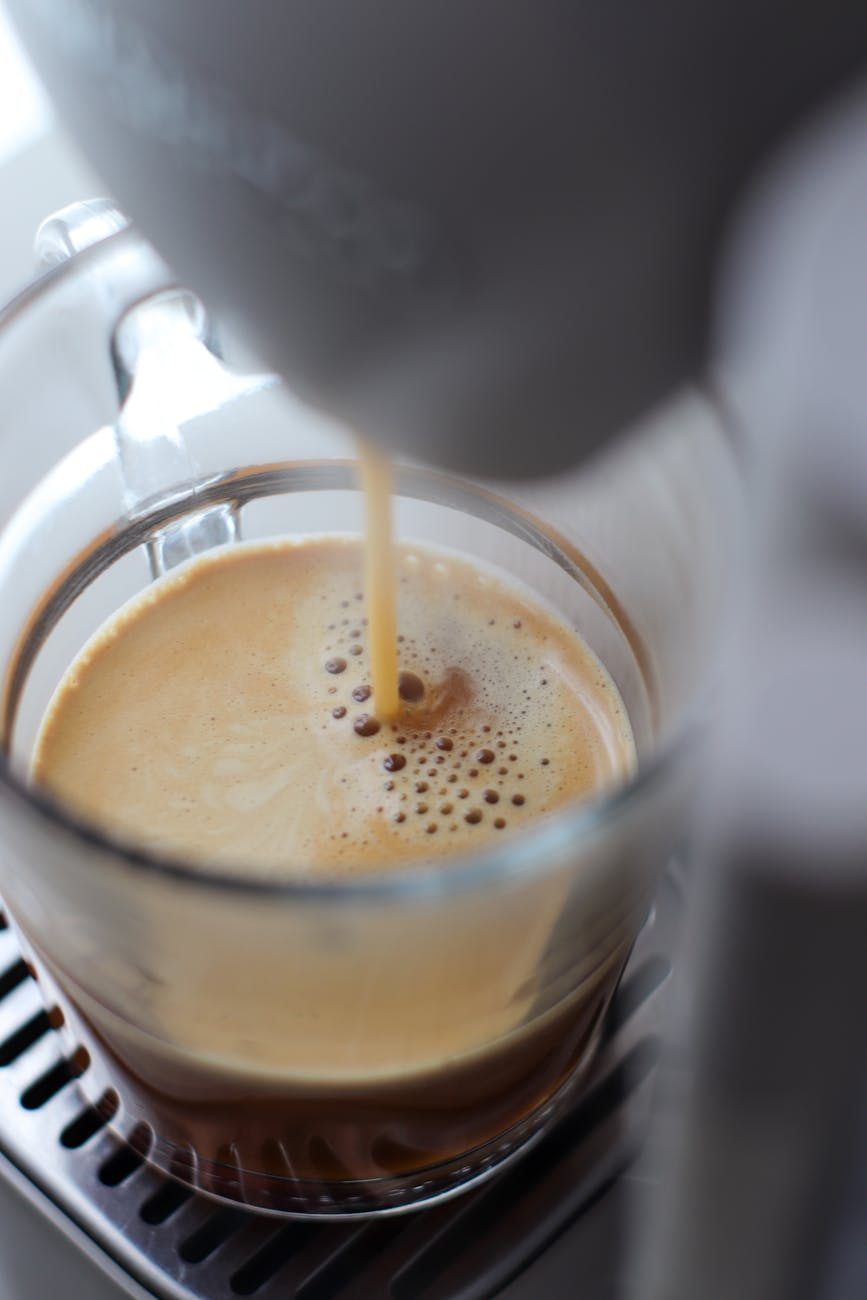
Ceramic vs. glass: Which material keeps espresso at the ideal temperature longer?
That perfect shot of espresso is a fleeting masterpiece. From the moment it cascades into the cup, a rich, aromatic liquid crowned with a fine crema, the clock is ticking. The ideal drinking temperature, where the complex flavors are most vibrant, lasts for only a few precious minutes. This race against time leads to a crucial question for every coffee enthusiast: does the cup it’s served in actually matter? The debate often centers on two classic materials: traditional ceramic and modern glass. This article will delve into the science of heat retention to explore the properties of both ceramic and glass, ultimately answering which material will keep your espresso at its optimal temperature for longer.
The science behind a warm cup
Before we can compare ceramic and glass, it’s important to understand why your espresso gets cold. The primary culprit is heat transfer. Your hot espresso loses its warmth to the cooler cup and the surrounding air. The effectiveness of a cup in slowing this process down depends on a few key scientific principles:
- Thermal conductivity: This measures how easily heat passes through a material. A material with low thermal conductivity is a good insulator because it resists the flow of heat. For an espresso cup, you want the lowest thermal conductivity possible to keep the heat in the liquid, not letting it escape through the cup’s walls.
- Specific heat capacity: This refers to the amount of energy a material needs to absorb to raise its temperature. A material with a high specific heat capacity, like ceramic, will absorb a lot of heat from your espresso just to warm up. This is why preheating your cup is so critical, especially with thicker materials.
- Mass and thickness: A thicker, heavier cup generally has more mass. It will absorb more initial heat from your espresso (if not preheated) but will also retain that heat for a longer period, acting as a thermal buffer against the cold air.
Understanding these concepts is the key to seeing why one cup might outperform another. It isn’t just about the material, but how its properties and design work together to protect your perfect shot.
The traditional champion: Ceramic
There’s a reason the classic Italian espresso cup is made of thick, heavy ceramic. Ceramic is a porous material with inherently low thermal conductivity, making it a natural insulator. When you pour hot espresso into a ceramic cup, the heat doesn’t immediately rush through the walls and dissipate into the air. Instead, the ceramic holds onto it.
The real advantage of ceramic lies in its thickness. Competition-grade and café-style espresso cups often feature very thick walls and a heavy base. This significant mass, once heated, becomes a stable warm environment for the espresso. This is where preheating becomes non-negotiable. A cold, thick ceramic cup is an espresso’s worst enemy, as it will act like a heat sink and instantly suck the warmth out of your shot. However, a properly preheated ceramic cup provides an incredibly stable thermal environment, slowing heat loss significantly and allowing you to savor your espresso over several minutes.
The modern contender: Glass
Glass brings a unique aesthetic to the table, allowing you to appreciate the beautiful color and crema of your espresso. From a thermal perspective, however, a standard, single-walled glass cup is a poor choice. Glass has a higher thermal conductivity than ceramic, meaning heat passes through it more easily. A thin, single-walled glass will feel hot to the touch almost instantly, which is a clear sign that heat is rapidly escaping from your coffee.
However, the game changes completely with double-walled glass. These cups are ingeniously designed with an inner and outer wall separated by a layer of air or a vacuum. This trapped air is an exceptionally poor conductor of heat, creating a powerful thermal barrier. The heat from the espresso is effectively trapped by the inner wall, while the outer wall remains cool to the touch. This design makes double-walled glass one of the best insulators available, often outperforming even the thickest ceramic in maintaining temperature over time.
Head-to-head comparison: The final verdict
So, which cup should you choose? The answer depends on the specific type of cup you’re comparing. A thin, novelty ceramic mug will lose to a thick, café-style one, and a single-walled glass is no match for its double-walled counterpart. Let’s break down the most common and effective options.
If we compare a thick-walled, preheated ceramic cup to a double-walled glass cup, the competition is tight. The double-walled glass often has a slight edge in pure insulation due to the air gap. However, the preheated ceramic provides a satisfying, traditional feel and its mass creates a very stable starting temperature. A single-walled glass cup is a distant third, prioritized for aesthetics over function.
| Feature | Thick-walled ceramic | Single-walled glass | Double-walled glass |
|---|---|---|---|
| Thermal conductivity | Low | Medium-High | Very Low (due to air gap) |
| Heat retention | Excellent (if preheated) | Poor | Excellent |
| Preheating need | Essential | Not as critical (loses heat anyway) | Recommended, but not essential |
| Durability | High | Moderate (can suffer thermal shock) | Moderate (can be fragile) |
| Aesthetics | Classic, traditional | Shows off crema and color | Modern, visually appealing “floating” effect |
Ultimately, the choice comes down to your personal priorities. For the absolute purist focused on maximum thermal stability and the traditional espresso ritual, a thick, preheated ceramic cup remains an unbeatable classic. It’s a tool designed for one purpose. For the modern enthusiast who values both exceptional heat retention and the visual beauty of their coffee, the double-walled glass cup is the clear winner, offering superior insulation in a sleek package.
Conclusion
The quest to preserve the perfect espresso temperature is a battle fought on the grounds of thermal dynamics. As we’ve seen, the material of your cup plays a definitive role. While traditional, thick-walled ceramic has long been the champion of heat retention, its performance is entirely dependent on proper preheating. When preheated, it creates a wonderfully stable thermal mass that cradles your espresso. On the other hand, glass, once considered inferior due to its higher conductivity, has been revolutionized by the double-walled design. This innovation uses an air gap to create an insulating barrier that is often superior to even the thickest ceramic, all while showcasing the visual artistry of the espresso shot.
There is no single “best” cup, but there is a best cup for you. If tradition and a robust, tactile experience are your priority, a preheated ceramic cup is your ally. If you seek top-tier insulation combined with modern aesthetics, the double-walled glass cup is the undeniable choice. Whichever you select, you are now equipped with the knowledge to ensure your next espresso is savored exactly as it was intended: perfectly warm from the first sip to the last.
 No products in the cart.