

Brewing low-acidity espresso on the Cafelat Robot: A comprehensive guide
The Cafelat Robot is a marvel of simplicity and engineering, offering complete manual control over every aspect of the espresso-making process. This level of control is a dream for enthusiasts, but it can also be a challenge. One common goal for many home baristas is to tame acidity, either for personal taste preference or for digestive comfort. A highly acidic, or sour, espresso can be unpleasant and harsh. This article is your definitive guide to achieving just that: pulling a beautifully balanced, rich, and syrupy shot of low-acidity espresso from your Cafelat Robot. We will explore everything from the foundational choice of coffee beans to the nuanced techniques of temperature control and pressure profiling that make the Robot the perfect tool for the job.
Understanding acidity in your coffee
Before we can reduce acidity, it’s important to understand what it is. In the world of specialty coffee, acidity isn’t necessarily a bad word. When balanced, it’s often described as a desirable brightness or sparkle that brings life to a coffee, with flavor notes like citrus, green apple, or berries. This brightness comes from various organic acids naturally present in the coffee bean. However, when an espresso is under-extracted, these acids dominate the flavor profile, resulting in a puckeringly sour taste. This is different from the inherent acidity of the bean itself. Our goal is to both select beans with naturally lower levels of acid and to use a brewing technique that emphasizes sweetness and body over sharp, acidic notes, ensuring a smooth and pleasant final cup.
Selecting the right beans for a smooth shot
Your journey to low-acidity espresso begins long before you touch the Robot. It starts with the beans. No amount of technique can completely erase the inherent qualities of a particular coffee. To set yourself up for success, focus on these three factors:
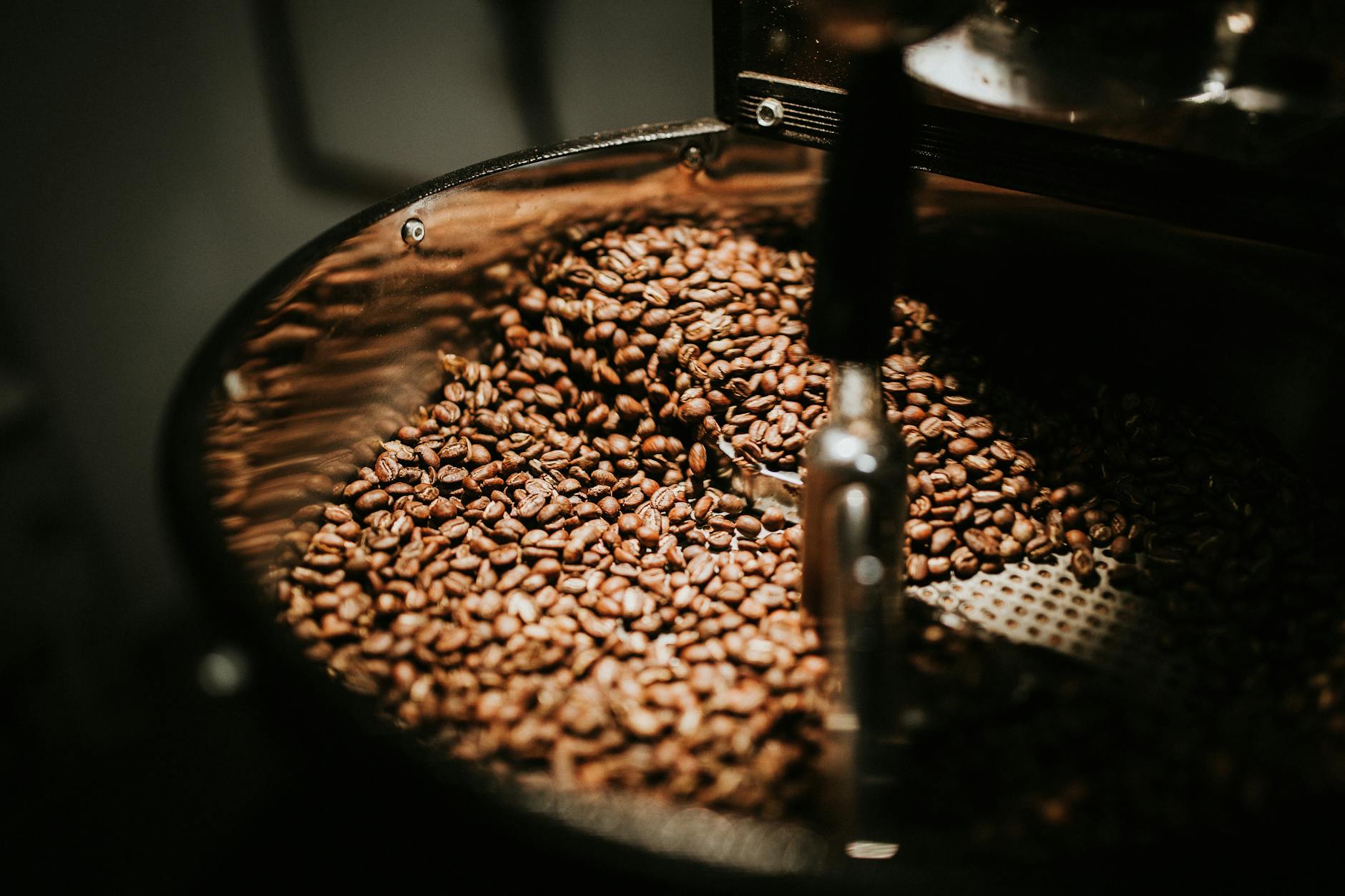
- Roast level: This is the most significant factor. The roasting process systematically breaks down the organic acids in coffee. A light roast will preserve much of the bean’s original, often acidic, character. For low acidity, you should look for beans in the medium-dark to dark roast range. These roasts develop deeper notes of chocolate, nuts, and caramel, with a fuller body and a naturally lower perceived acidity.
- Origin: Geography plays a huge role. Coffees from certain regions are renowned for their low-acidity profiles. Look for beans from places like Brazil, Sumatra, or India (especially Monsooned Malabar). These tend to have earthy, chocolatey, and heavy-bodied characteristics, a stark contrast to the bright, floral, and acidic coffees often found in Kenya or Ethiopia.
- Processing method: How the coffee cherry is processed after picking also affects flavor. While washed coffees can be very clean and bright, natural or honey-processed coffees often have a different kind of fruitiness. For our purposes, a well-executed natural process from a low-acidity origin like Brazil can yield incredible sweetness and low acidity, while a dark-roasted washed coffee is also a very safe bet.
Mastering your brewing variables
With the right beans in your grinder, the next step is to dial in your recipe. The Cafelat Robot’s manual nature gives you direct influence over variables that can either highlight or mute acidity. Here’s how to steer them toward a smoother result.
First, consider your water temperature. Higher temperatures increase the extraction rate of all coffee compounds, including the sugars and heavier compounds that balance out acids. Using water just off the boil, around 94-98°C (201-208°F), is highly recommended. Crucially, you must preheat the Robot’s piston and basket thoroughly. A cold piston will suck a massive amount of heat from your brew water, leading to under-extraction and sourness. Submerging the piston in your hot kettle water for a minute before brewing is a non-negotiable step.
Next, your grind and ratio are key. To ensure full extraction and reduce sourness, you generally need to grind finer. This increases the surface area of the coffee and slows the shot, giving the water more time to dissolve those desirable flavor compounds. Pair this with a slightly longer brew ratio. While a standard espresso is 1:2 (e.g., 18g of coffee in, 36g of liquid out), pushing this to 1:2.5 or even 1:3 can help dilute the remaining acidity and produce a more balanced, fuller-bodied shot. This combination of a finer grind and a longer ratio is a powerful tool for promoting sweetness.
Pressure profiling for ultimate smoothness
This is where the Cafelat Robot truly excels. Your ability to manually apply and vary pressure throughout the shot is the final, and perhaps most important, piece of the puzzle. A generic, flat 9-bar profile is not always best for reducing acidity. Instead, adopt a more nuanced approach.
Begin with a long, low-pressure pre-infusion. After pouring your water, gently press the arms down until a few drops appear from the bottom of the basket, then hold it there. Aim for 1-2 bars of pressure for 15-20 seconds. This allows the coffee puck to become fully and evenly saturated, which prevents channeling (a major cause of sourness) and begins extracting the sweetest compounds first.
After pre-infusion, don’t just slam the pressure to 9 bars. Gently ramp up to a lower peak pressure, perhaps around 6-7 bars. This softer pressure often yields a softer, more rounded shot with less sharpness. As the shot progresses and you near your target yield, allow the pressure to naturally decline or “taper off.” This gentle finish prevents the extraction of harsh, bitter compounds at the end of the shot, leaving you with a clean, sweet, and incredibly smooth espresso.
Sample low-acidity Robot recipe
| Variable | Recommendation |
| Coffee Dose | 18 grams |
| Grind | Fine (to allow for a 45-55 second total shot time) |
| Water Temperature | 96°C / 205°F (with a fully preheated piston) |
| Brew Ratio | 1:2.5 (18g in, 45g out) |
| Pre-infusion | 15-20 seconds at 1-2 bars |
| Peak Pressure | 6-7 bars |
| Total Shot Time | ~50 seconds (including pre-infusion) |
The Cafelat Robot empowers you to craft espresso that perfectly suits your palate. Achieving a low-acidity shot isn’t the result of a single trick but a holistic approach that starts with the coffee you buy and ends with the way you press the machine’s arms. By choosing darker roasts from low-acidity origins like Brazil or Sumatra, you create a strong foundation. From there, you build upon it with technique: using hotter, preheated water to maximize extraction, grinding finer and pulling a slightly longer shot to enhance sweetness, and finally, using a gentle pressure profile with a long pre-infusion and a lower peak pressure. Each step works in harmony to tame sharpness and elevate rich, deep flavors, proving that the Robot is a superb tool for anyone seeking a smooth, comfortable, and delicious espresso experience.
 No products in the cart.