

Best coffee roast levels for Gaggia super-automatic grinders
Owning a Gaggia super-automatic espresso machine is like having a personal barista at your beck and call. With the push of a button, it grinds fresh beans and pulls a delicious shot of espresso. However, the convenience and engineering of these amazing machines come with a specific requirement: choosing the right coffee beans. The built-in grinder, the heart of the machine, is sensitive to the type of bean you use, particularly its roast level. Using the wrong beans can lead to subpar coffee and, more seriously, potential damage to your grinder. This guide will delve into the world of coffee roasts to help you select the perfect beans that will make your Gaggia sing and protect your valuable investment.
Understanding your Gaggia’s grinder
Before we talk about coffee, it’s crucial to understand the technology inside your machine. Gaggia super-automatics are equipped with integrated burr grinders, often made of durable ceramic. These grinders are designed to be compact and efficient, fitting perfectly within the machine’s housing. However, this compact design has a key limitation: the pathway from the burrs to the brewing unit, often called a chute, can be narrow.
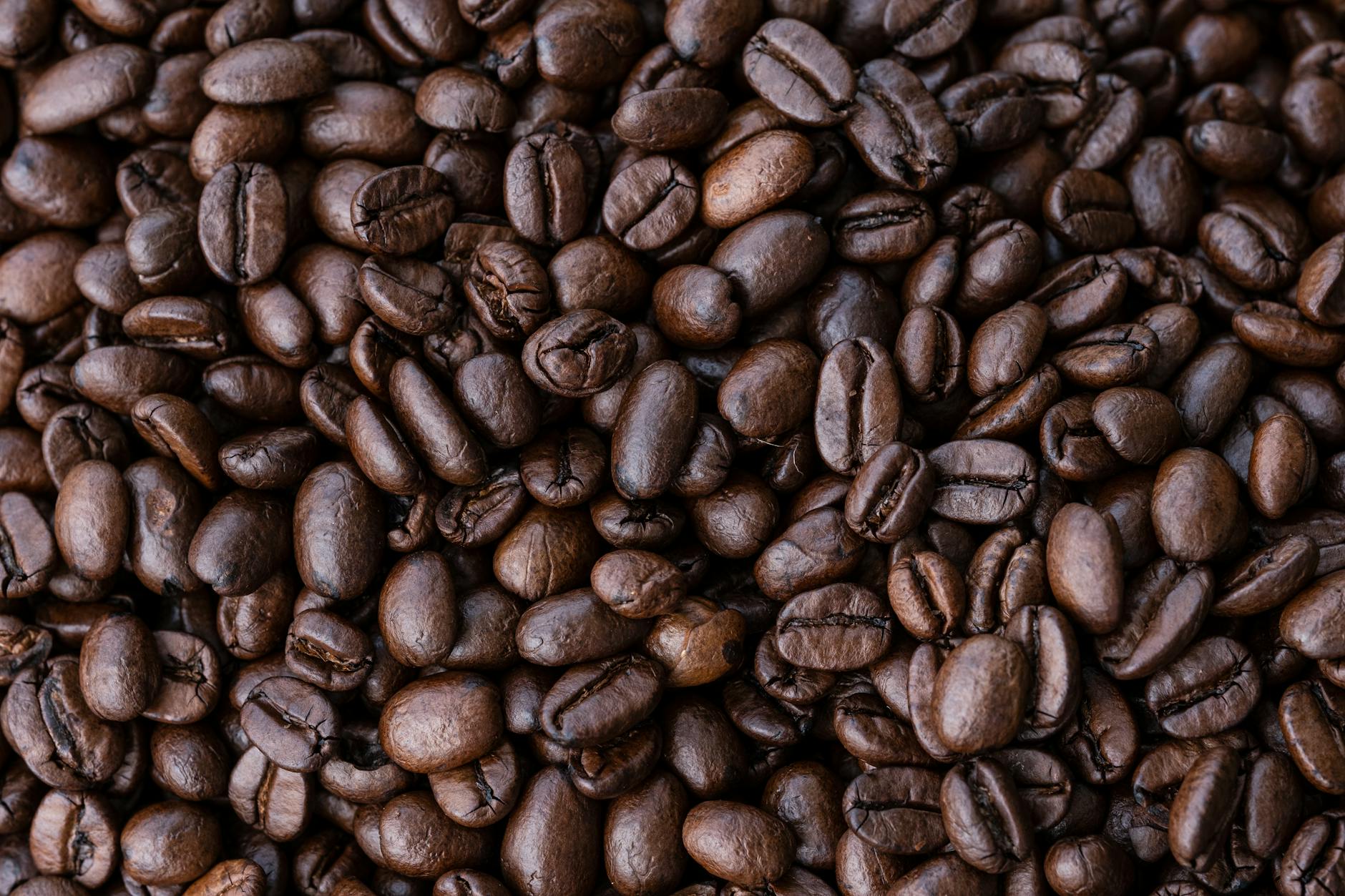
This is where the problem with certain coffee beans begins. Coffee beans that are roasted for a long time, to a very dark level, release natural oils that coat the surface of the bean. These oils, while contributing to a specific flavor profile, are sticky. When an oily bean is ground, the sticky grounds can clump together, clogging the grinder’s burrs and the narrow chute. This buildup restricts the flow of coffee, leading to inconsistent doses, weak shots, and in a worst-case scenario, can strain the grinder motor and cause it to fail. Understanding this mechanical sensitivity is the first step to choosing the right coffee.
The spectrum of coffee roasts
Coffee beans start as dense, green seeds. The roasting process transforms them, developing their flavor, aroma, and color. This transformation happens across a spectrum, and we generally categorize it into three main levels.
- Light roasts: These beans are light brown, with no oil on their surface. They are roasted just long enough to reach the “first crack.” Flavor-wise, they retain much of the bean’s original character, often resulting in higher acidity with bright, fruity, or floral notes. Because they are roasted for a shorter time, they are denser and harder than darker roasts. While their dryness makes them safe for a Gaggia grinder, their hardness can sometimes pose a challenge.
- Medium roasts: This is often considered the sweet spot for many coffee lovers and, as we’ll see, for super-automatic machines. These beans are a medium brown color and still have a mostly matte, non-oily surface. They offer a more balanced flavor profile, with reduced acidity and a fuller body than light roasts. The original flavors of the bean are still present, but they are complemented by the deeper notes developed during roasting, like caramel or chocolate.
- Dark roasts: Characterized by their dark brown to nearly black color, these beans have a visible sheen or oily surface. They are roasted to or beyond the “second crack,” a stage where the bean’s structure breaks down and releases its oils. This process mutes the bean’s original flavors and creates the dominant roasty, smoky, and bittersweet notes typical of roasts like French or Italian Roast. It is this surface oil that is the primary enemy of a super-automatic grinder.
Finding the sweet spot for your machine
Given the sensitivity of the integrated grinder, the ideal choice for any Gaggia super-automatic machine is a medium or medium-dark roast. These roasts provide the perfect balance of rich flavor and machine safety. They are developed enough to produce the classic, full-bodied espresso flavor that many users expect, with notes of chocolate, nuts, and caramel, but without the problematic surface oils that can clog the grinder mechanism.
When you are shopping for beans, look for bags described as Medium Roast, City Roast, or Full City Roast. Visually inspect the beans if you can. The perfect bean for your Gaggia will have a dry, matte, or at most, a very light satin finish. If the beans look greasy, shiny, or leave an oily residue in the bag, it’s best to avoid them. While some light roasts can also work well, they may produce a more acidic espresso which might not be to everyone’s taste. The medium roast is the undisputed champion for reliability and flavor in a Gaggia.
| Roast Level | Surface Appearance | Common Flavors | Gaggia Suitability |
|---|---|---|---|
| Light Roast | Dry, matte finish | Fruity, floral, high acidity | Good: Safe for the grinder, but can taste too acidic for espresso. |
| Medium Roast | Mostly dry, satin finish | Balanced, caramel, chocolate, nutty | Excellent: The ideal balance of flavor and machine safety. |
| Medium-Dark Roast | Slight sheen, minimal oil | Richer, fuller body, low acidity | Very Good: Great flavor, but check carefully for excess oil. |
| Dark Roast | Shiny, visibly oily | Smoky, bittersweet, roasty | Avoid: High risk of clogging the grinder and causing damage. |
What to avoid and how to care for your grinder
To keep your Gaggia running smoothly for years, there are two main types of coffee you should always avoid. The first, as we’ve established, is any very dark and oily bean. This includes most coffees labeled as French Roast, Italian Roast, or Espresso Roast from traditional brands, as these are often roasted very dark to create a consistent flavor. Always prioritize the appearance of the bean over the name on the bag. The second type to avoid is flavored coffee. Beans that have been coated with flavored syrups or oils (like hazelnut or vanilla) will create a sticky, gummy residue that is even worse than natural coffee oil for clogging your grinder.
Proper maintenance is also key. Even when using the right beans, coffee dust and small amounts of oil can build up over time. Make it a habit to regularly empty the hopper and vacuum out any remaining grounds and chaff. For a deeper clean, consider using grinder cleaning pellets (like Grindz) every month or two. These food-safe pellets are run through the grinder like coffee beans and work to absorb and dislodge coffee residue, ensuring your grinder operates at peak performance.
In conclusion, the key to a long and happy life with your Gaggia super-automatic espresso machine lies in the coffee beans you choose. While the allure of a dark, smoky roast is strong for many, these oily beans pose a significant risk to the delicate internal grinder. By opting for high-quality medium or medium-dark roasts that have a dry or matte surface, you achieve the best of both worlds. You get to enjoy a rich, balanced, and delicious espresso while simultaneously protecting the internal mechanics of your machine from clogs and strain. Remember to inspect beans before you buy and avoid anything overly shiny or artificially flavored. A little care in your coffee selection will ensure your Gaggia continues to deliver café-quality coffee with push-button simplicity for years to come.
 No products in the cart.