

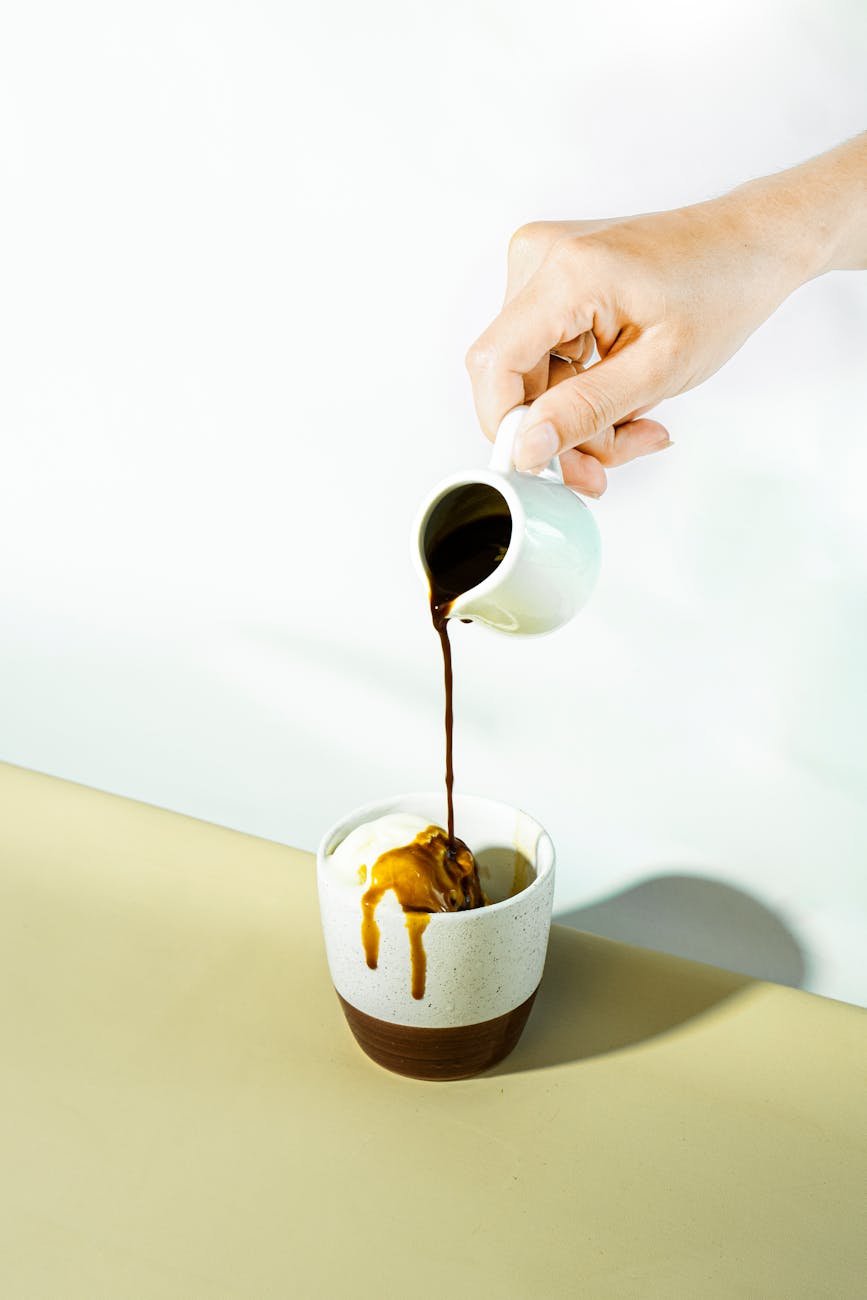
The marriage of a perfectly pulled espresso and a decadent dessert is a sensory experience unlike any other. For baristas, pastry chefs, and home connoisseurs, discovering that magical combination where flavors complement and elevate one another is a true delight. However, this creative pursuit is often hindered by a common but frustrating obstacle: palate fatigue. When the rich bitterness of coffee and the intense sweetness of a pastry repeatedly stimulate your senses, your ability to discern subtle notes diminishes. This article will serve as your guide to understanding and combating this sensory overload. We will explore practical strategies, from the order of tasting to essential palate cleansing techniques, ensuring you can navigate your pairings with precision and enjoy every nuanced interaction to the fullest.
What is palate fatigue and why does it matter?
Palate fatigue, also known as sensory fatigue or adaptation, is a temporary inability to distinguish between different tastes and aromas. It happens when your taste buds and olfactory receptors become desensitized after being exposed to strong or repetitive stimuli. Think of it like listening to loud music for an extended period; eventually, you stop noticing the details in the sound. The same happens with flavor. When you’re tasting powerful duos like espresso and dessert, this phenomenon is particularly pronounced. Espresso bombards the palate with intense bitterness, acidity, and complex aromatics, while desserts introduce high levels of sugar, fat, and potent flavors like chocolate, fruit, or caramel.
This matters because it directly impacts the accuracy of your tasting. When your palate is fatigued, a bright, acidic Ethiopian coffee might just taste generically “sour,” and the subtle spice in a carrot cake could be completely lost behind its sweetness. For a professional developing a menu, this can lead to poorly matched pairings. For an enthusiast, it simply robs you of the joy of a truly great combination. Understanding this sensory limitation is the first step toward overcoming it and appreciating the intricate dialogue between coffee and dessert.
The strategic approach to tasting
Avoiding palate fatigue begins before you even take the first sip. A strategic, mindful approach to the tasting process itself can preserve your sensory acuity. It’s about controlling the variables to give your palate the best chance to succeed. The most crucial element is the order of operations. A widely accepted method is to first taste the espresso on its own to establish a baseline of its flavor profile. Identify its core characteristics: is it nutty, fruity, floral? Then, take a small bite of the dessert. Finally, take another sip of the espresso to see how its flavors have changed and interacted with the dessert. This creates a clear narrative of the pairing.
Pacing is equally important. Rushing through multiple pairings is a guaranteed recipe for sensory burnout. Allow a few minutes between each distinct pairing to let your senses recover. This also involves portion control. You don’t need a full cup and an entire slice of cake to evaluate a pairing. A single shot of espresso or even half, and a small, representative bite of the dessert are sufficient. This controlled approach prevents any single flavor from overwhelming your palate, allowing you to stay sharp and perceptive throughout the tasting session.
Your toolkit for resetting your senses
Even with perfect pacing and strategy, you’ll need to actively reset your palate, especially when tasting multiple pairings. This is where palate cleansers come in. Their job is to neutralize lingering flavors, wash away oils and sugars, and prepare your taste buds for the next sample. The most fundamental and effective cleanser is simple, room-temperature still water. It rinses the mouth without introducing any new flavors. Some prefer sparkling water, as the carbonation can help lift residual fats and sugars from the tongue more effectively.
Beyond water, a few key items form an essential toolkit:
- Unsalted crackers or plain bread: These are bland and absorbent, acting like a sponge for powerful aftertastes, particularly from rich, buttery desserts.
- Granny Smith apple slices: The high acidity and crisp texture of a tart apple are excellent for cutting through sweetness and fat, leaving the mouth feeling fresh.
- Pickled ginger (gari): Often served with sushi for this very reason, its mild heat and acidity effectively scrub the palate clean, making it perfect for transitioning between very different flavor profiles.
Choosing the right cleanser can depend on the pairing you just tasted. A simple table can help guide your choices.
| Cleanser | Best For Resetting From… | Why It Works |
|---|---|---|
| Still Water | All pairings, especially light ones | Completely neutral; rinses without adding flavor. |
| Sparkling Water | Rich, fatty, or very sweet desserts | Carbonation helps lift heavy oils and sugars. |
| Unsalted Crackers | Chocolate, caramel, or creamy desserts | Absorbs residual fats and strong aftertastes. |
| Tart Apple Slices | Very sweet or rich pairings | High acidity cuts through sugar and fat. |
How to structure a tasting session to minimize fatigue
Structuring your tasting session, or “pairing flight,” is the final piece of the puzzle. A thoughtfully designed sequence can guide your palate gently through the experience rather than shocking it into fatigue. The most important principle is to progress from light to heavy. Begin your tasting with lighter-bodied coffees, such as a single-origin from Ethiopia or Kenya with bright, acidic notes, paired with a less intense dessert like a fruit tart or a simple shortbread. As the session continues, move toward medium-bodied coffees with nutty or chocolaty profiles, and finally, to full-bodied, dark roasts paired with rich desserts like a chocolate lava cake or a dense cheesecake.
This progression prevents the powerful flavors of a bold pairing from overwhelming your ability to taste the delicate notes in a lighter one. It’s also wise to vary the flavor profiles. Don’t line up three different chocolate-based pairings in a row. Instead, create a more dynamic flight: perhaps move from a fruity pairing to a nutty one, and then to a spicy or chocolaty combination. Finally, build in deliberate breaks. After every two or three pairings, take a five-minute pause. During this time, focus solely on cleansing your palate with water and crackers. This isn’t just downtime; it’s an active recovery period that ensures your palate is ready and receptive for the next delightful combination.
In conclusion, avoiding palate fatigue is not about limiting your tasting but about enhancing it through mindful, strategic practices. It is a real and significant challenge, but one that is entirely manageable. By understanding the science behind sensory adaptation, you can appreciate the need for a structured approach. Implementing key techniques—such as establishing a clear tasting order, controlling your pace and portions, and utilizing effective palate cleansers like water and tart apples—will preserve your sensory acuity. Furthermore, designing your tasting flight to progress from lighter to heavier profiles ensures that delicate flavors are not lost. By adopting these methods, you transform a simple tasting into a sophisticated analysis, unlocking deeper, more nuanced connections between espresso and dessert.

 No products in the cart.