

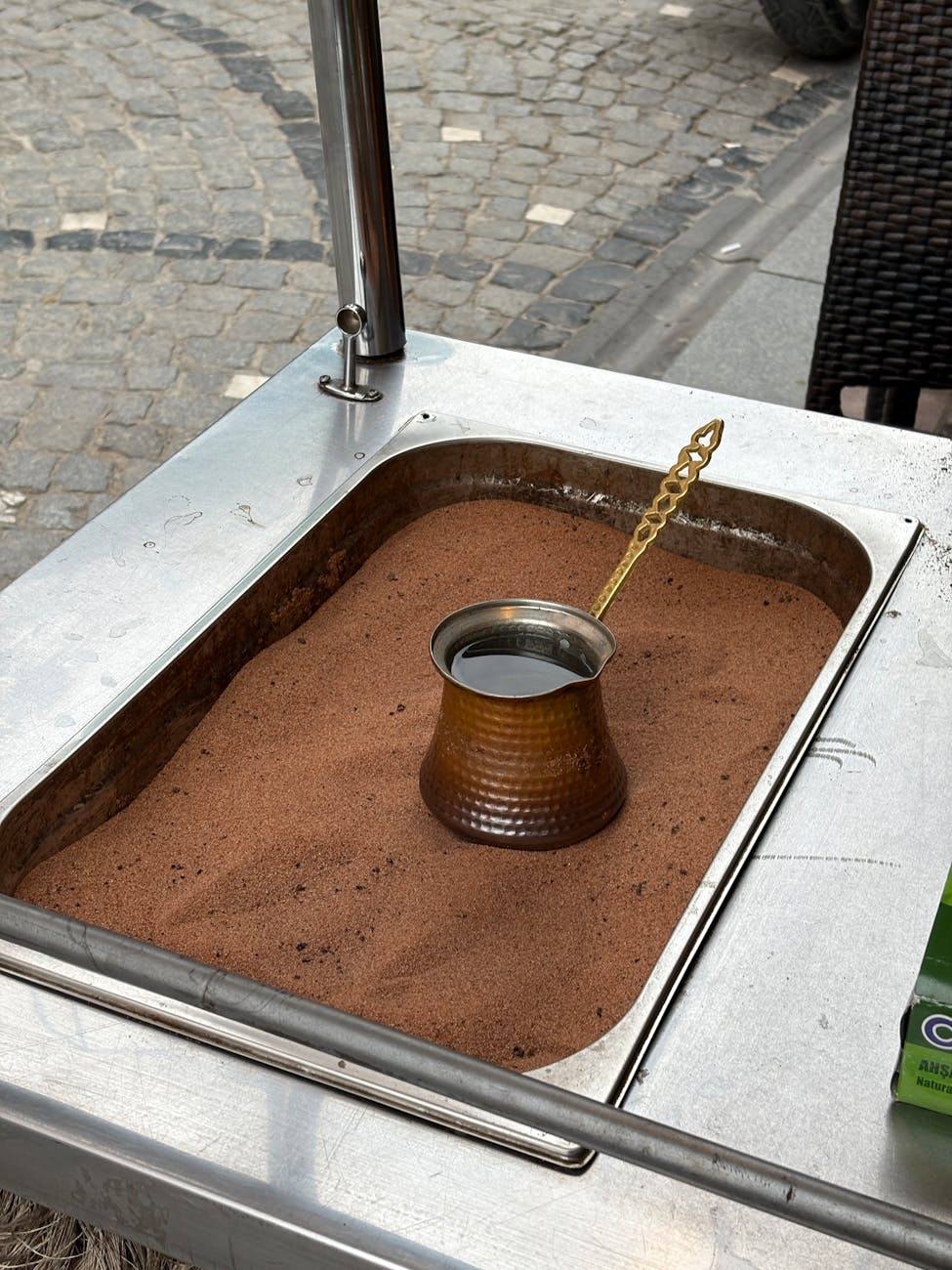
Unlocking clarity: Advanced agitation techniques for Turkish coffee
Turkish coffee is more than just a beverage; it’s a cultural ritual celebrated for its rich body, intense aroma, and the thick, velvety foam known as kaymak. For many enthusiasts, however, the experience can be marred by an overly gritty or muddy texture, where excessive sediment clouds the final sips. While some sediment is characteristic of the style, achieving a cleaner, clearer cup is possible without sacrificing the coffee’s traditional character. The secret lies not in filtration, but in mastering the art of agitation during the brewing process. This article delves into advanced, intentional agitation techniques that go beyond a simple stir, exploring how controlled movements can dramatically improve the clarity and texture of your Turkish coffee.
Understanding agitation’s role in brewing
In any coffee brewing method, agitation refers to the movement that mixes coffee grounds and water. Its primary purpose is to ensure all the coffee particles become evenly saturated, promoting a consistent and full extraction of flavors. In the unfiltered world of Turkish coffee, agitation plays a dual role. It not only dictates how well the coffee extracts but also directly influences how the ultra-fine grounds, or “fines,” settle out of the suspension.
The traditional method often involves a single, vigorous stir at the beginning to combine the coffee, sugar, and water. While effective, this approach can be unrefined, kicking up all the particles into a chaotic suspension that takes longer to settle. By adopting a more nuanced strategy, you can control the brewing process with greater precision. The goal is not to eliminate sediment entirely—that’s part of the coffee’s identity—but to encourage the finest particles to settle compactly at the bottom of the pot (the cezve or ibrik), allowing for a cleaner pour and a more pleasant mouthfeel.
The timing and intensity of agitation
The key to improving clarity is understanding that when and how you agitate matters as much as whether you do it at all. Different stages of the brew benefit from specific types of movement. By breaking the process down, you can introduce intentional actions to guide the grounds.
- The initial bloom stir: As soon as you combine the coffee and cold water, the first agitation is crucial. Instead of a rapid, chaotic stir, use a thin spoon or bamboo skewer to perform a gentle, circular motion for about 10-15 seconds. The goal here is simply to ensure there are no dry clumps. This gentle approach prevents you from immediately creating a messy suspension, allowing the grounds to saturate evenly for a smoother extraction from the start.
- Mid-brew management: This is where technique diverges from tradition. As the coffee heats and a dark ring begins to form around the edge, a crust of grounds may appear on the surface. Some baristas advocate for a single, extremely slow stir at this stage. This is not about mixing, but about gently breaking that crust to release trapped gases and allow water to flow through, preventing uneven extraction. It must be a shallow, delicate movement that doesn’t disturb the grounds already beginning to settle at the bottom.
- The pre-pour swirl: This is perhaps the most impactful advanced technique. Once you remove the cezve from the heat, let it sit for about 20-30 seconds. Then, holding the handle firmly, give the entire pot one single, slow, and deliberate swirl in a circular motion. This movement uses centripetal force to consolidate the finest, silkiest sediment into a dense puck at the bottom center of the cezve, separating it from the brewed coffee above.
This final swirl is the secret to a dramatically cleaner pour. It organizes the sediment, making it easier to leave behind when you serve the coffee.
Comparing agitation methods and outcomes
The tools and motions you use for agitation are just as important as the timing. A wide, thick spoon is disruptive, acting like a paddle that churns the entire liquid column. In contrast, a thin tool like a cocktail spoon, a chopstick, or a bamboo skewer allows for precise, localized movements. It lets you break the crust or ensure saturation without creating unnecessary turbulence.
To better understand how these techniques influence the final cup, consider the following comparison:
| Technique | Timing | Intensity | Goal | Expected Outcome |
|---|---|---|---|---|
| Traditional Vigorous Stir | Beginning of brew | High | Mix all ingredients quickly | Standard body, moderate to high sediment in the cup |
| Gentle Bloom Stir | First 15 seconds | Very Low | Evenly wet all grounds | Smoother extraction, less initial bitterness |
| Mid-Brew Crust Break | Just as foam begins to rise | Extremely Low / Shallow | Release CO2, prevent channeling | Brighter flavors, more developed foam (kaymak) |
| Pre-Pour Swirl | After removing from heat | Slow & Controlled | Consolidate sediment at the bottom | Significantly clearer cup with very little grit |
The pour: The final step to clarity
All the careful agitation in the world will be wasted without a proper pouring technique. The pre-pour swirl has prepared the coffee for a clean separation, but the final execution is up to you. To capitalize on your work, pour the coffee slowly and steadily from a slight height. This helps aerate the coffee and build a beautiful, thick foam in the cup. The most critical part is to watch the stream of coffee. As you near the end of the cezve, you will see the liquid thicken as the slurry of grounds approaches the spout. Stop pouring immediately. It’s better to leave a little coffee behind in the pot than to dump a spoonful of mud into the cup. The swirl you performed earlier makes this endpoint much more defined, giving you a clearer signal of when to stop.
In conclusion, achieving superior clarity in Turkish coffee is an active, not passive, process. It requires moving beyond the traditional single stir and embracing a series of controlled, intentional agitations. By focusing on a gentle initial stir to saturate the grounds, a delicate mid-brew touch to ensure even extraction, and a final, masterful swirl to settle the sediment, you can take direct control over the final texture of your brew. These techniques, combined with a precise tool and a mindful pour, transform the brewing process into a craft. The result is a cup that honors tradition with its rich body and aroma but elevates it with a newfound clarity and a clean finish, allowing the nuanced flavors of the coffee to shine through.

 No products in the cart.