

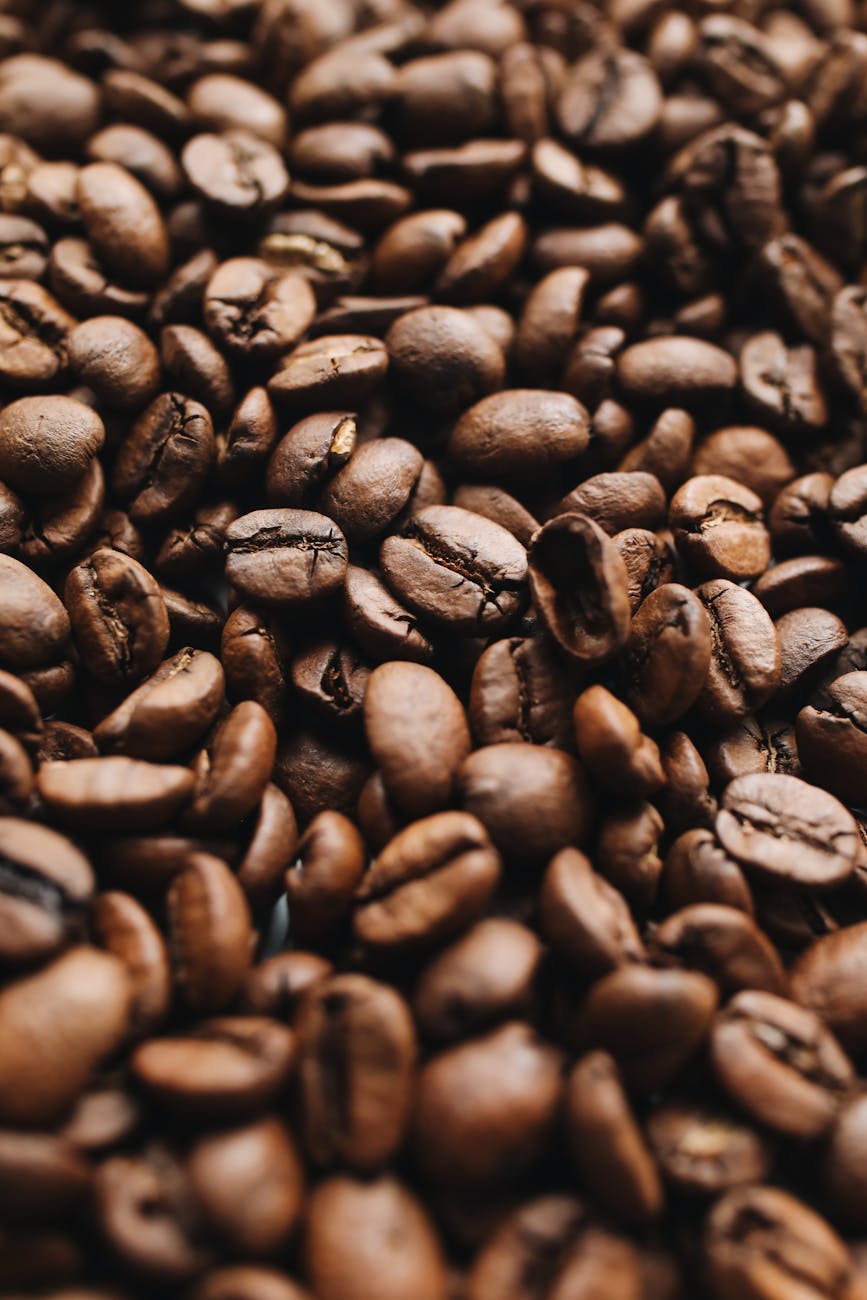
Dark roast coffee often gets a bad rap in the specialty coffee world, frequently associated with overpowering bitterness and a burnt, ashy taste. While it’s true that the roasting process develops these deeper, more intense flavors, a bitter espresso shot is more often a sign of improper extraction than a flaw in the beans themselves. The key to unlocking the rich, chocolatey, and syrupy potential of a dark roast lies in your technique. This article will guide you through the process of adjusting your espresso extraction specifically for dark roasts. We will explore how to manipulate key variables like grind size, water temperature, and brew ratio to tame that harsh bitterness and pull a perfectly balanced shot every time.
Understanding the challenge of dark roast
To effectively brew dark roast espresso, we first need to understand why it behaves so differently from its lighter counterparts. During a prolonged roast, the coffee bean’s internal structure becomes more brittle and porous. This process also breaks down complex sugars and acids, leading to lower acidity and a higher concentration of soluble compounds. In simple terms, dark roast coffee gives up its flavor much more easily and quickly when exposed to hot water.
This high solubility is the main reason dark roasts are prone to over-extraction, which is the primary source of undesirable, astringent bitterness. Think of it like steeping a tea bag; if you leave it in too long, the tea becomes harsh and unpleasant. The goal is not to eliminate all bitterness—a pleasant bitterness, like that of dark chocolate, is a hallmark of the style. The goal is to control the extraction to highlight the sweetness and body while keeping that acrid bitterness at bay.
Adjusting your core brewing variables
Your main tools for controlling extraction are your brew ratio and grind size. For dark roasts, you need to think about reducing the overall extraction to avoid pulling out those bitter compounds that emerge late in the shot.
- Use a coarser grind: This might feel counterintuitive, but a coarser grind is your first line of defense. The brittle nature of dark roast beans means they produce more fine particles when ground, which can clog your basket and slow the shot. By grinding coarser, you increase the space between coffee particles, allowing water to flow through more easily. This helps speed up the shot and prevents the water from lingering too long and over-extracting bitter flavors. Start by making a noticeable adjustment—coarser than you would for a medium roast—and fine-tune from there.
- Shorten your brew ratio: The brew ratio is the relationship between the weight of your dry coffee grounds (dose) and the weight of your liquid espresso (yield). A standard ratio is often 1:2 (e.g., 18g of coffee in, 36g of espresso out). For dark roasts, aim for a tighter, more concentrated ratio, such as 1:1.5 or 1:1.75. This means for an 18g dose, you would stop the shot at around 27g to 32g of liquid espresso. This “ristretto” style shot captures the initial rich sugars and oils while cutting the extraction short before the harsh bitterness dominates.
Lowering temperature and managing time
Once you have a starting point for your grind and ratio, the next most impactful variable is water temperature. As we’ve established, dark roasts are highly soluble, and hot water acts as a powerful solvent. Using water that’s too hot will instantly over-extract the coffee, resulting in a burnt and hollow taste.
Most espresso machines are set to a default of around 93-95°C (200-203°F). For a dark roast, you should aim for a significantly lower temperature. Try setting your machine between 88-92°C (190-198°F). This cooler water will extract the coffee more gently, preserving the delicate sweet and chocolatey notes without scorching the grounds. If your machine doesn’t have temperature control, you can achieve a similar effect by running a “cooling flush”—purging a few ounces of water from the group head right before you lock in your portafilter.
Finally, remember that shot time is an outcome of your other variables, not a goal in itself. However, with a coarser grind and a shorter ratio, you should expect a faster shot. A successful dark roast extraction often falls within the 20-25 second range, rather than the typical 27-32 seconds for lighter roasts.
Dialing it in: A practical summary
Perfecting your dark roast espresso is a process of balancing these interconnected variables. Always remember to change only one variable at a time to understand its effect on the final taste. If your shot is still too bitter, try grinding even coarser or lowering the temperature further. If it tastes weak or sour (under-extracted), tighten up your grind slightly to slow the shot down. Meticulous puck preparation—using a distribution tool (WDT) and a level tamp—is also crucial to prevent channeling, which causes uneven extraction and introduces both bitter and sour flavors.
Here is a table to help you visualize a starting point for your dark roast recipe compared to a more traditional espresso recipe.
| Parameter | Typical Medium Roast Recipe | Starting Point for Dark Roast |
|---|---|---|
| Brew Ratio (Dose:Yield) | 1:2 to 1:2.5 | 1:1.5 to 1:1.75 |
| Grind Size | Fine | Noticeably Coarser |
| Brew Temperature | 93-95°C / 200-203°F | 88-92°C / 190-198°F |
| Target Shot Time | 27-32 seconds | 20-25 seconds |
By using this table as a guide and tasting your results, you can methodically dial in your shot to perfection.
In conclusion, the aggressive bitterness many associate with dark roast espresso is not a fixed characteristic but a brewing challenge waiting to be solved. By understanding the bean’s increased solubility, you can adjust your technique to prevent over-extraction. The solution lies in a holistic approach: grinding coarser, reducing your brew ratio for a more concentrated shot, and lowering your water temperature for a gentler extraction. These adjustments work together to shorten the contact time between water and coffee, ensuring you capture the deep, sweet, and chocolatey flavors without the accompanying astringency. Don’t be afraid to experiment. With a little patience and careful adjustment, you can transform a potentially bitter brew into a deliciously balanced and satisfying espresso.

 No products in the cart.