

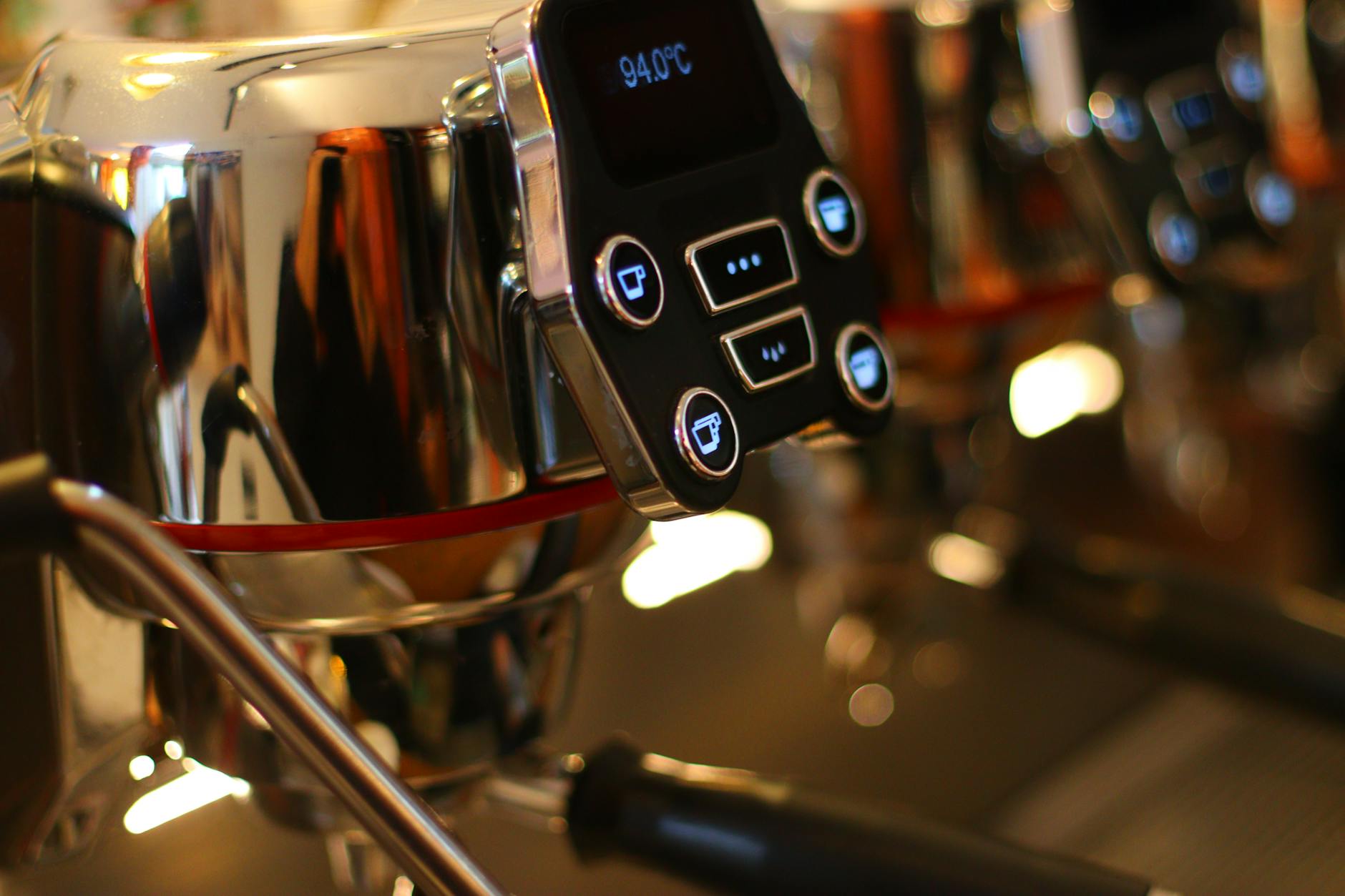
Say goodbye to ashy espresso: a guide to brew temperature for CBTL beans
There’s nothing quite like a rich, well-balanced shot of espresso to start your day. But what happens when that eagerly anticipated brew tastes less like liquid chocolate and more like a fireplace? That sharp, dry, and unpleasant ashy flavor is a common frustration for home baristas, especially when working with darker roasted beans like the signature espresso blend from The Coffee Bean & Tea Leaf (CBTL). Many will immediately blame their grinder or tamping technique, but a frequently overlooked culprit is hiding in plain sight: the brew water temperature. Too much heat can scorch delicate coffee grounds, leading to over-extraction of bitter compounds. This article will guide you through the process of adjusting your machine’s brew temperature to eliminate ashiness and unlock the sweet, balanced flavors in your CBTL espresso.
Understanding the source of ashiness
Before we can fix a problem, we need to understand it. In the world of coffee tasting, “ashy” refers to a specific flavor defect characterized by a carbon-like, smoky taste and a lingering, unpleasantly dry sensation on the palate. It’s the taste of something taken too far, and in espresso, it’s a tell-tale sign of over-extraction. This happens when the water pulls too many soluble compounds from the coffee grounds, moving past the desirable sugars and oils and into the harsh, bitter elements.
While factors like a very fine grind or an excessively long shot time can cause over-extraction, temperature is a powerful catalyst. Hotter water extracts compounds from coffee much more aggressively and quickly. Darker roasts, such as those often used for CBTL’s classic espresso profile, are particularly vulnerable. The roasting process makes these beans more porous and brittle, so they give up their soluble compounds more easily. When you hit these delicate grounds with water that is too hot, you effectively scorch them, instantly releasing those bitter, ashy notes and ruining the shot before it even has a chance.
The role of temperature in espresso extraction
Making espresso is a delicate dance of chemistry, and temperature is the choreographer. Different flavor compounds dissolve into water at different rates and temperatures. Think of the extraction process as a timeline of flavors:
- First, come the acids: These are the bright, fruity, and sometimes sour notes. They are highly soluble and extract quickly, even at lower temperatures.
- Next, come the sugars: These are the sweet, caramel, and chocolate notes that form the heart of a balanced shot. This is the sweet spot we aim for.
- Last, come the bitters: These include various alkaloids and phenolic compounds. They extract more slowly but their extraction is massively accelerated by high temperatures.
A perfect shot captures a harmonious balance of these elements. An ashy shot is one where the extraction process has gone too far into that final, bitter stage. By lowering the temperature, you slow down the extraction of those less desirable bitter compounds, giving you more control and a wider window to stop the shot while it’s still in the delicious, sweet phase. You are essentially fine-tuning the water’s power to target the right flavors without overdoing it.
Finding your ideal temperature for CBTL beans
Now for the practical part: dialing in your machine. While many espresso guides suggest a standard range of 93-95°C (200-203°F), this is often too hot for darker roasts. For a typical CBTL-style espresso blend, a better starting point is significantly lower.
We recommend starting your experiments around 90°C (194°F). To find your perfect temperature, you must be methodical. The key is to only change one variable at a time. Keep your dose (the amount of coffee), grind size, and yield (the weight of your final espresso shot) completely consistent. Then, begin adjusting the temperature in small increments.
- Set your machine to 90°C (194°F) and pull a shot, keeping your other variables the same.
- Taste the espresso. Is it still ashy? If so, lower the temperature by one degree to 89°C (192°F) for the next shot.
- If the first shot tastes weak, thin, or unpleasantly sour, it may be under-extracted. Raise the temperature by one degree to 91°C (196°F).
- Continue this process, making single-degree adjustments and tasting each shot, until you find the temperature that produces a balanced, sweet shot without any harsh, ashy notes.
Here is a simple table to guide your tasting process:
| Temperature Range | Potential Taste Profile | Action to Take |
|---|---|---|
| 94°C+ (201°F+) | Very bitter, ashy, burnt, empty | Too hot. Lower temperature significantly. |
| 91-93°C (196-200°F) | Slightly bitter or ashy, lacking sweetness | Still likely too hot. Lower temperature. |
| 88-91°C (190-196°F) | Sweet spot: Balanced, sweet, low bitterness | Your ideal range. Fine-tune within here. |
| Below 88°C (190°F) | Sour, acidic, weak, lacking body | Too cold. Increase temperature. |
Beyond temperature: other factors to consider
While lowering your brew temperature is the most direct way to combat ashiness from heat, it’s important to remember that espresso is a system where everything is interconnected. If you’ve lowered your temperature and still aren’t getting the results you want, check on these other variables. A perfect shot is a result of temperature working in harmony with grind, dose, and time. For instance, a grind that is excessively fine can cause channeling and over-extraction in certain areas of the puck, creating ashy flavors even at a lower temperature. Similarly, letting a shot run for too long will inevitably pull in bitter compounds. Use temperature as your primary tool for ashiness, but ensure the rest of your technique is sound for the best possible results.
Conclusion
The journey to perfect homemade espresso is one of constant learning and refinement. An ashy, bitter shot is not a sign of failure but an invitation to look deeper into your process. As we’ve explored, that unpleasant flavor in your CBTL espresso is very often a direct result of over-extraction caused by water that is simply too hot for the darker roasted beans. By taking a methodical approach and lowering your brew temperature into the 88-91°C (190-196°F) range, you can slow down the extraction of bitter compounds and hit that coveted sweet spot. Remember to keep all other variables consistent as you experiment. Taking control of temperature empowers you to move beyond frustratingly flawed shots and start consistently pulling rich, sweet, and balanced espresso every time.


 No products in the cart.