

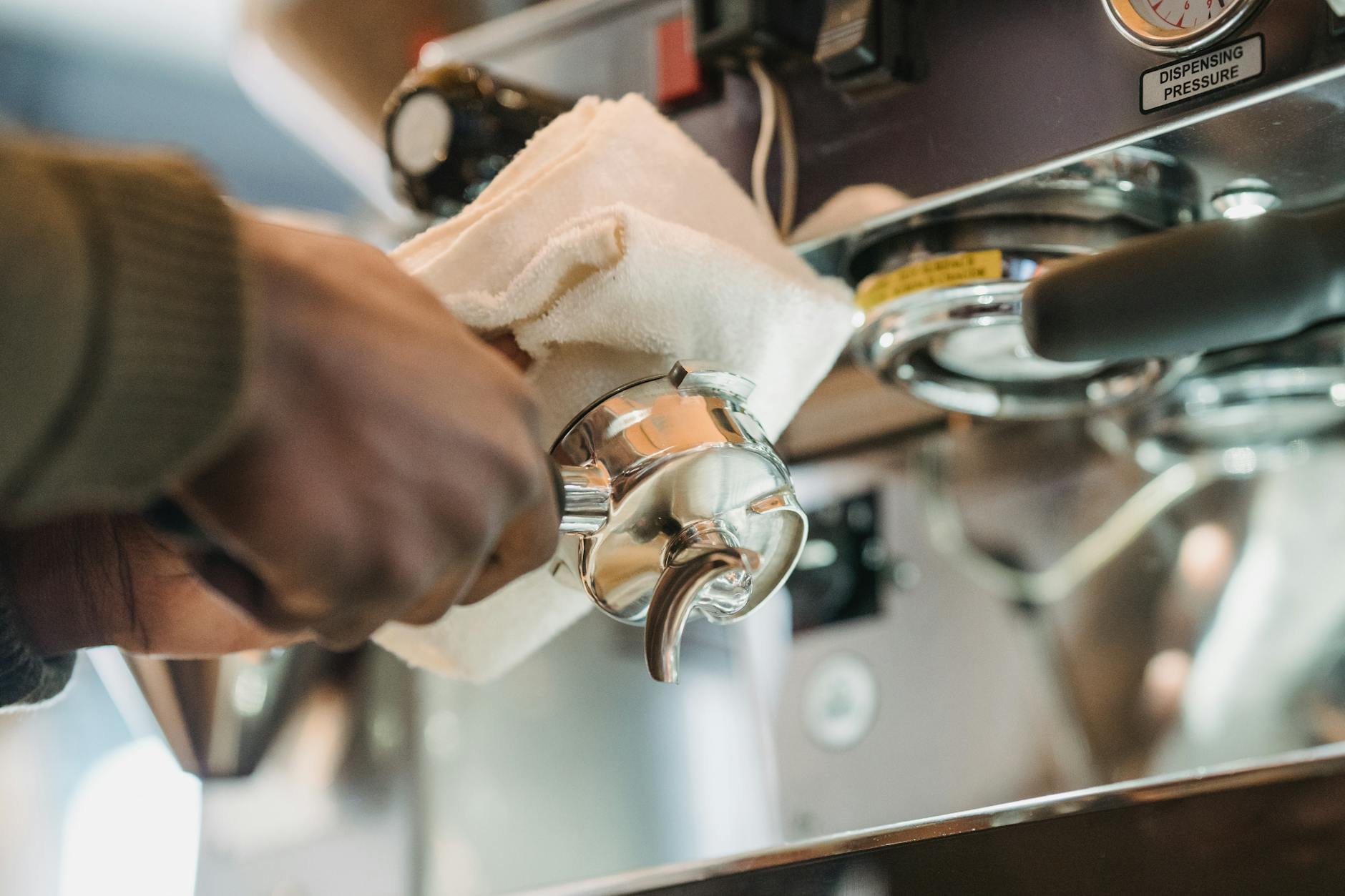
A step-by-step guide to backflushing your Gaggia espresso machine
Owning a Gaggia espresso machine is a gateway to crafting café-quality coffee right in your own kitchen. That rich crema, the aromatic steam, and the complex flavor of a perfectly pulled shot are a daily luxury. But to keep that luxury from turning into a bitter disappointment, regular maintenance is key. One of the most crucial, yet often overlooked, tasks is backflushing. Over time, coffee oils, grounds, and mineral deposits build up inside the machine’s group head, leading to foul tastes and potential damage. This guide will walk you through the entire process, explaining why it’s so important and providing clear, step-by-step instructions to keep your Gaggia performing at its peak for years to come.
Why backflushing your Gaggia is non-negotiable
Before we dive into the “how,” let’s understand the “why.” Many espresso machines, including popular Gaggia models like the Classic Pro, are equipped with a three-way solenoid valve. This clever component serves a dual purpose: it pressurizes the group head to brew espresso and, when you stop the shot, it releases that pressure, drying the coffee puck for a clean knock-out. This pressure release vents excess water and coffee residue into the drip tray. Backflushing is the process of forcing water and a cleaning solution backwards through this valve and the group head components, flushing out the gunk that accumulates.
What happens if you skip this process?
- Bad taste: Stale, rancid coffee oils are the number one enemy of good espresso. As they build up in the group head, they impart a bitter, acrid flavor to every shot you pull.
- Clogged components: Fine coffee grounds can clog the tiny holes in your shower screen, leading to uneven water distribution and poor extraction.
- Valve damage: The most serious consequence is a sticky or clogged solenoid valve, which can be an expensive and complicated repair. Regular cleaning keeps it operating smoothly.
It’s important to note that backflushing is not the same as descaling. Descaling removes mineral scale from the boiler and water paths, while backflushing specifically targets coffee oil and residue in the group head. Both are essential parts of a complete maintenance routine.
Gathering your tools and materials
The good news is that backflushing requires only a few specific items. Having everything ready before you start will make the process quick and painless. You will need:
- A blind basket: This is the most critical tool. It looks like a regular portafilter basket but has no holes. This solid surface allows pressure to build up inside the portafilter, forcing water back through the group head. Some Gaggia models come with a rubber backflush disc that you place inside a regular basket, which serves the same purpose.
- Espresso machine detergent: Do not use vinegar or dish soap. You need a dedicated backflushing powder like Cafiza or Puly Caff. These are specially formulated to break down stubborn coffee oils without damaging your machine’s metal and rubber components.
- Your standard portafilter: You’ll use this to hold the blind basket.
- A group head brush: A simple brush with stiff bristles helps dislodge loose grounds from around the gasket and shower screen before you begin.
- A soft cloth: For wiping down the machine and drip tray when you’re finished.
Once you have your simple toolkit assembled, you are ready to give your machine the deep clean it deserves.
The backflushing process step-by-step
Follow these steps carefully for a safe and effective clean. The entire process should take no more than 10-15 minutes.
- Warm up and prep: Turn your Gaggia on and let it come up to full brewing temperature, just as if you were about to make an espresso.
- Initial scrub: Use your group head brush to gently scrub the shower screen and the rubber gasket inside the group head to remove any visible coffee grounds.
- Plain water flush: Place your blind basket into the portafilter. Lock the portafilter into the group head. Engage the brew switch for 5-10 seconds. You will hear the pump engage and the pressure build. Then, turn the switch off. You should hear a “whoosh” sound as the pressure is released through the solenoid valve into the drip tray. Repeat this water-only cycle 4-5 times to flush out loose particles.
- Add detergent: Remove the portafilter and add a small amount of espresso machine cleaner to the blind basket (about 1/4 teaspoon is plenty). Do not use too much, as it will create excessive foam.
- Detergent cycle: Lock the portafilter back into the machine. Repeat the 5-10 second on/off cycle another 5 times. You will see foamy, brown-tinted water being discharged into your drip tray. This is the detergent doing its job, breaking down all those old coffee oils.
- Soak and dissolve: After the fifth cycle, leave the portafilter with the detergent solution locked into the hot group head for about 5 minutes. This allows the cleaner to dissolve any remaining stubborn residue.
- Rinse, rinse, rinse: This is the most important step. Remove the portafilter and thoroughly rinse the blind basket and portafilter under a tap to remove all traces of detergent. Lock the clean, empty portafilter back into the machine and repeat the plain water backflush cycle (5-10 seconds on/off) at least 10 times. This is crucial to completely flush the cleaning agent from the system so it doesn’t end up in your next coffee.
- Final test: Pull a “sacrificial shot” of espresso and discard it. This helps re-season the group head with fresh coffee oils and ensures there is no lingering chemical taste. Empty and wipe your drip tray, and you’re done!
How often should you backflush?
The ideal backflushing frequency depends entirely on how much you use your Gaggia. A simple water-only backflush is great for daily rinsing, while a full detergent backflush provides the necessary deep clean. Sticking to a consistent schedule will make the process faster each time and prevent major buildup from occurring. Think of it like doing the dishes; a quick rinse after every meal is much easier than scrubbing a caked-on pot a week later.
Here is a simple schedule to follow:
| User type | Water-only backflush | Detergent backflush |
|---|---|---|
| Light user (a few shots per week) | After each use | Every 3-4 weeks |
| Daily home barista (1-4 shots per day) | At the end of the day | Every 1-2 weeks |
| Heavy user (5+ shots per day) | At the end of each session | Once per week |
Conclusion
Backflushing your Gaggia espresso machine might seem like a technical chore, but as we’ve seen, it’s a straightforward and relatively quick process. By investing just a few minutes every week or two, you are actively protecting your machine and guaranteeing a better-tasting cup of coffee. To recap, the process involves gathering a few simple tools, performing a series of on/off cycles with both water and a special detergent, and then rinsing the system thoroughly. Integrating this task into your regular routine based on your usage habits is the best way to prevent the buildup of rancid oils and protect the delicate three-way solenoid valve. The reward for your effort is immense: consistently delicious, clean-tasting espresso and a reliable, long-lasting machine.

 No products in the cart.