

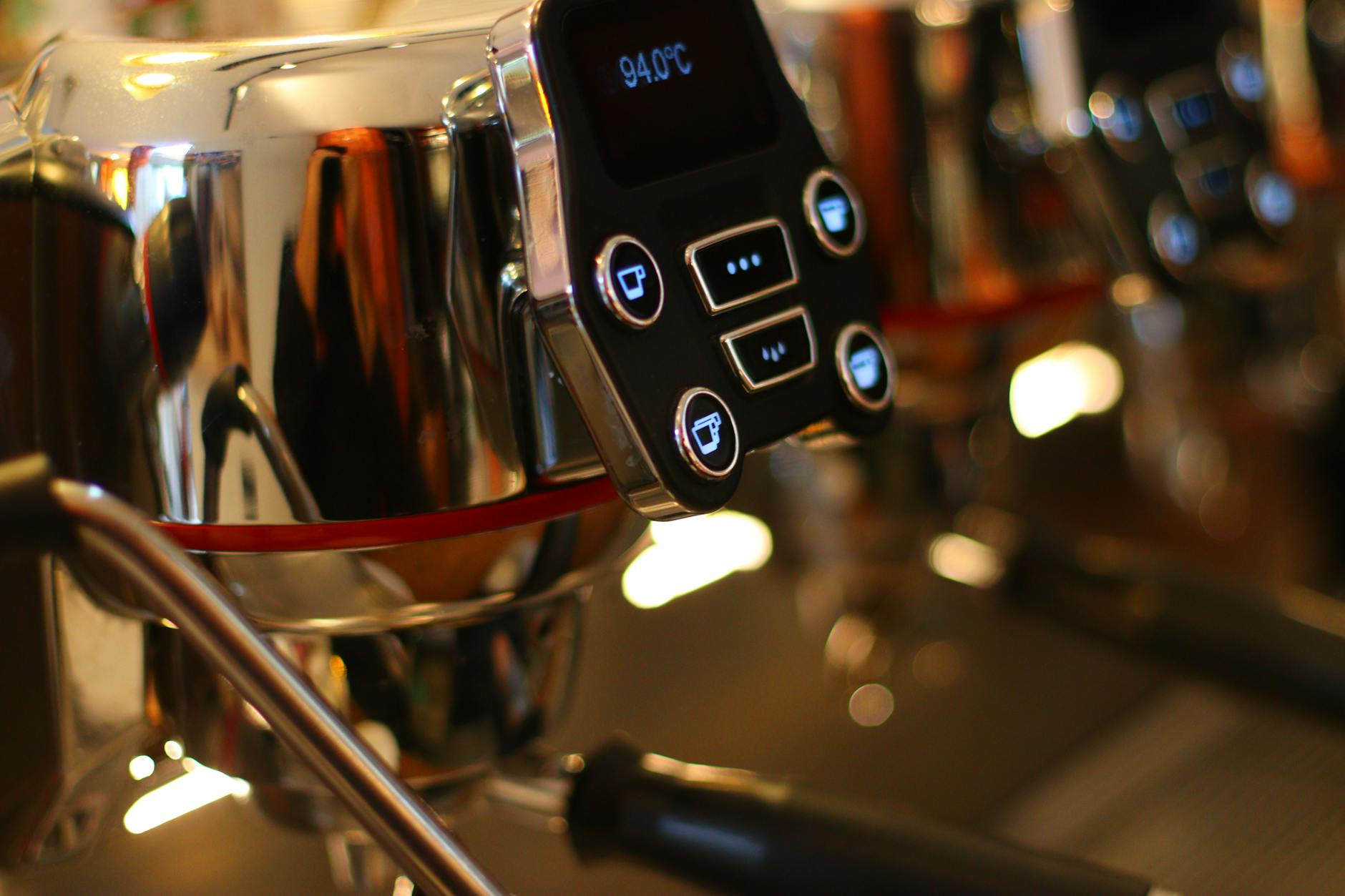
A guide to preheating your espresso machine for thermal stability
The quest for the perfect espresso shot is a journey many coffee enthusiasts embark on. We invest in high-quality beans, a precise grinder, and a capable espresso machine, yet our results can still be frustratingly inconsistent. One day you pull a rich, syrupy god shot, and the next, a disappointingly sour or bitter cup. The culprit is often an invisible variable that many overlook: thermal stability. Achieving a consistent and optimal temperature throughout the entire brew path is non-negotiable for great espresso. This guide will delve into the critical importance of preheating your espresso machine, moving beyond simply waiting for a light to turn on, and explaining how a patient warm-up routine is the foundation for café-quality coffee in your own kitchen.
Why thermal stability is the secret to great espresso
At its core, thermal stability is the ability of your espresso machine to maintain a consistent water temperature from the boiler, through the group head, and into the coffee puck. Think of it as the steady hand of your machine. When that hand wavers, your coffee suffers. Espresso extraction is a delicate chemical reaction, and temperature is the primary catalyst. Even a few degrees of fluctuation can dramatically alter the taste in your cup.
If your brew water is too cold, it will fail to properly extract the soluble compounds from the coffee grounds. This results in an under-extracted shot, which tastes unpleasantly sour, thin, and acidic, like biting into a lemon. Conversely, if the water is too hot, it will aggressively strip compounds from the coffee, including undesirable ones. This leads to an over-extracted shot, characterized by harsh, bitter, and burnt flavors. The goal is to hit that sweet spot, typically between 90-96°C (195-205°F), where you achieve a balanced extraction of sugars, oils, and acids. Preheating ensures that every component in the water’s path is at the correct temperature, preventing the brew water from losing precious heat before it even reaches the coffee.
The anatomy of heat: What needs to get hot?
A common mistake is assuming that when the machine’s “ready” light comes on, you’re good to go. This light usually only indicates that the water inside the boiler has reached its target temperature. However, the boiler is just one part of a larger thermal system. To achieve true stability, the entire brew path must be thoroughly saturated with heat. This includes several key components:
- The boiler: This is the heart of the machine, responsible for heating the water. Whether you have a single boiler, a heat exchanger, or a dual boiler, it’s the primary source of thermal energy.
- The group head: This is arguably the most critical component to preheat. The group head is a large, dense piece of metal (often chrome-plated brass) that the water passes through just before hitting the coffee. A cold group head is a massive heat sink, capable of instantly robbing your brew water of several degrees of heat and guaranteeing a sour shot.
- The portafilter and basket: Just like the group head, your portafilter is another heavy chunk of metal. Locking a cold portafilter full of coffee into a hot group head is a recipe for disaster. The cold metal will absorb heat intended for extraction, leading to an uneven and under-extracted shot. It must be heated along with the machine.
Understanding that you are not just heating water, but also several pounds of metal, explains why a proper preheating routine takes time. You are creating a stable thermal mass that will resist temperature drops during the 25-30 second extraction process.
The preheating process: A step-by-step guide
Patience is a virtue in espresso making, and nowhere is that more true than in the warm-up phase. Following a consistent preheating routine will eliminate one of the biggest variables in your brew and lead to dramatically more repeatable results. Here’s a simple process to follow:
1. Turn the machine on with the portafilter locked in. As soon as you turn the machine on, make sure your empty portafilter is locked firmly into the group head. This ensures it heats up passively along with the rest of the machine, which is far more effective than trying to heat it with a quick hot water flush just before brewing.
2. Wait longer than you think. The biggest mistake is brewing too soon. While every machine is different, a good rule of thumb is to wait at least 20-30 minutes for most consumer-grade machines. Heavy, E61-style group heads may require even longer, up to 45 minutes, to become fully heat-saturated. Using a smart plug to automatically turn your machine on before you wake up is a fantastic way to build this waiting time into your daily routine effortlessly.
3. Perform a warming flush. Right before you pull your first shot, run a short 2-3 second flush of water through the group head (with the portafilter still attached). This serves two purposes: it purges any slightly cooler water sitting in the pipes and provides a final blast of heat to the system, ensuring everything is at the absolute peak of thermal readiness.
| Machine Type | Typical Boiler Size | Recommended Minimum Preheat Time |
|---|---|---|
| Single Boiler (SBDU) | 150 – 400 ml | 20 – 25 minutes |
| Heat Exchanger (HX) | 1.5 – 2.5 L | 30 – 40 minutes |
| Dual Boiler (DB) | 0.5 – 1.5 L (Brew Boiler) | 25 – 35 minutes |
| E61 Group Head Machine (Any Boiler) | Varies | 40 – 45 minutes |
Advanced techniques and considerations
Once you have mastered the basic preheating routine, you can begin to explore more advanced concepts of thermal management. For instance, machines with a PID (Proportional-Integral-Derivative) controller offer digital temperature control, allowing you to set your brew temperature to a fraction of a degree. While a PID provides incredible stability within the boiler, it does not change the laws of physics; you still need to thoroughly preheat the physical metal components for that stability to translate to the coffee puck.
Furthermore, different group head designs have different thermal properties. The classic E61 group head is famous for its role in thermal stability, but its large external brass construction means it requires a long preheating time to work effectively. In contrast, a saturated group head, found on many high-end commercial and prosumer machines, is essentially an extension of the brew boiler. This design integrates the group head with the boiler, allowing it to heat up faster and maintain a more stable temperature with less effort. Regardless of your machine’s technology, the core principle remains: a hot, stable brew path is essential for delicious, consistent espresso.
Conclusion: Embrace the warm-up
In the world of espresso, temperature is everything. While it’s tempting to rush the process, skipping a proper preheating routine is a shortcut to inconsistent and disappointing coffee. As we’ve explored, thermal stability isn’t just about hot water in a boiler; it’s about creating a uniformly heated system, from the boiler to the group head and through the portafilter. By committing to a 20-30 minute warm-up, locking in your portafilter from the start, and performing a quick warming flush, you are taking control of a crucial variable. This small investment of passive waiting time pays huge dividends in the final cup, allowing you to produce consistently balanced, sweet, and flavorful espresso shots that rival your favorite café.
 No products in the cart.