

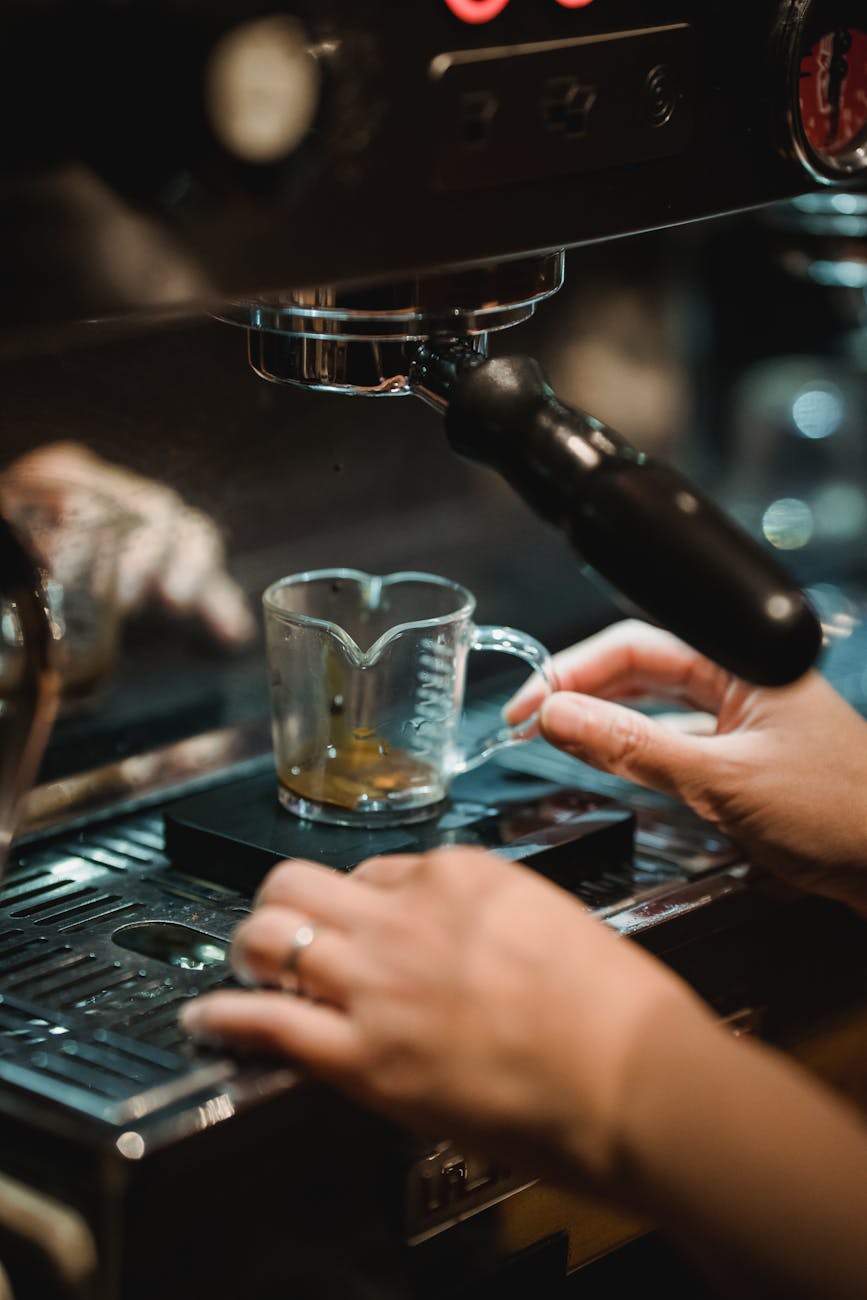
The Cafelat Robot is a marvel of simplicity in the world of manual espresso. Its purely mechanical design delivers exceptional control over pressure, allowing users to pull truly fantastic shots. However, its significant thermal mass, composed of solid stainless steel, presents a unique challenge: heat loss. Without proper preparation, the cold metal of the portafilter and basket can sap critical degrees from your brew water, leading to under-extracted and sour shots, especially with lighter roasts. This guide is designed for Robot owners looking to elevate their espresso game by mastering the art of thermal management. We will delve into the essential techniques for pre-heating your Cafelat Robot’s portafilter and basket, transforming your results from good to consistently great.
Why thermal management is crucial for the Robot
Unlike espresso machines with actively heated group heads, the Cafelat Robot is a passive system. Its heavy-duty stainless steel components, including the portafilter, basket, and piston, are at room temperature by default. When you pour boiling or near-boiling water into the basket, a significant amount of thermal energy is immediately transferred from the water to the metal. This can cause your brew water temperature to drop by 10°C (18°F) or even more in an instant. This drastic temperature drop is the enemy of good extraction.
For dark roasts, which are more soluble and extract easily, this temperature drop might not be a disaster. You may even find it preferable as it can tame bitterness. However, for light to medium roasts, which are denser and less soluble, a high and stable temperature is non-negotiable. These coffees require more energy to properly extract their complex sugars and nuanced flavor compounds. An insufficient brew temperature will result in a shot that is weak, acidic, and lacks the sweetness and body you’re aiming for. Pre-heating mitigates this heat loss, ensuring your water stays closer to its target temperature throughout the entire shot, allowing for a fuller and more balanced extraction.
Effective methods for pre-heating your components
Getting your Robot’s components up to temperature doesn’t have to be complicated. The key is to find a method that fits seamlessly into your workflow. Here are three popular techniques, ranging from simple to more involved.
- The kettle steam method: This is the quickest and easiest way to add some heat. After your kettle has boiled, simply invert the portafilter with the basket locked in and place it over the spout. Let the escaping steam heat the metal for 30-60 seconds. While this method is convenient and requires no extra equipment, it is the least effective. It primarily heats the basket and the bottom of the portafilter, leaving the piston and the portafilter’s main body relatively cool. It’s a great starting point but may not be sufficient for very light roasts.
- The hot water immersion method: A more thorough approach is to submerge the components in hot water. Place your portafilter, basket, and even the piston screen in a pre-heated mug or bowl and fill it with boiling water from your kettle. Let them sit for a minute or two while you prepare your coffee puck. This method heats the parts more evenly and effectively than steam alone. The main drawback is that you have to quickly dry everything with a towel before adding your coffee grounds, which adds an extra step to your routine.
- The double boiler (stove-top) method: For the ultimate in thermal stability, you can use your stove. Place the empty portafilter and basket in a small saucepan with about an inch of water. Gently heat the pan on the stove until the water is steaming or simmering. This provides the most intense and stable heat transfer. It’s a powerful technique for light roasts but requires more effort and care to avoid making the components too hot to handle safely.
Developing a consistent pre-heating workflow
Consistency is the cornerstone of great espresso. Whichever pre-heating method you choose, integrating it into a repeatable workflow is essential for diagnosing your shots and making improvements. The goal is to perform the pre-heating step while you are busy with other tasks, like weighing and grinding your beans, to make the process efficient.
For example, a solid workflow using the immersion method could look like this:
- Turn on your kettle to boil.
- Place the portafilter, basket, and piston into a large mug.
- Once the kettle boils, fill the mug to submerge the parts.
- While the components are heating, weigh and grind your coffee beans.
- Prepare your puck (distribute and tamp).
- Remove the parts from the hot water, dry them quickly and thoroughly with a clean cloth.
- Assemble the Robot, add your brew water, and pull the shot.
By making pre-heating a non-negotiable part of your routine, you eliminate a major variable and gain more precise control over your extraction. The table below compares the methods to help you choose the best one for your needs.
| Method | Effectiveness | Ease of Use | Best For |
|---|---|---|---|
| Kettle Steam | Low to Medium | Very Easy | Dark to medium roasts; quick shots when time is short. |
| Hot Water Immersion | High | Easy | The all-around best method for consistency with any roast level. |
| Double Boiler / Stove-top | Very High | Moderate | Specialty light roasts where maximizing temperature is critical. |
The direct impact on taste in the cup
So, what difference does all this preparation actually make in your cup? The results are immediate and tangible. When you don’t pre-heat for a light roast coffee, your shot will likely taste sour and thin. This is because the low temperature fails to dissolve the desirable solids and sugars, leaving the less soluble, acidic compounds to dominate the flavor profile. By properly pre-heating, you enable a more complete extraction. The same coffee will transform, tasting significantly sweeter, more balanced, and with greater clarity and complexity. You’ll unlock the delicate floral or fruity notes that light roasts are famous for, replacing sharp acidity with a pleasant, vibrant brightness.
Conversely, overly aggressive pre-heating for a very dark, oily roast can be counterproductive. These beans extract very easily, and a high brew temperature can pull out bitter, ashy flavors. For these coffees, a gentle steam pre-heat or even no pre-heat at all might yield a smoother, more balanced shot. Understanding this relationship between pre-heating, roast level, and taste is what empowers you to dial in the perfect shot for any coffee bean you choose.
In conclusion, mastering thermal management is a fundamental skill for any Cafelat Robot enthusiast. The machine’s large metal body, while a testament to its durability, acts as a heat sink that can compromise your espresso if left unaddressed. We’ve explored why pre-heating is so critical, especially for light and medium roasts that demand higher temperatures for a balanced extraction. From the simple kettle steam method to the more thorough hot water immersion and stove-top techniques, there is a solution for every workflow. By integrating a consistent pre-heating step into your routine, you eliminate a massive variable, giving you the control needed to pull consistently sweet, complex, and delicious shots. It is this attention to detail that elevates the Robot from a simple coffee maker to a true artisan espresso tool.

 No products in the cart.