

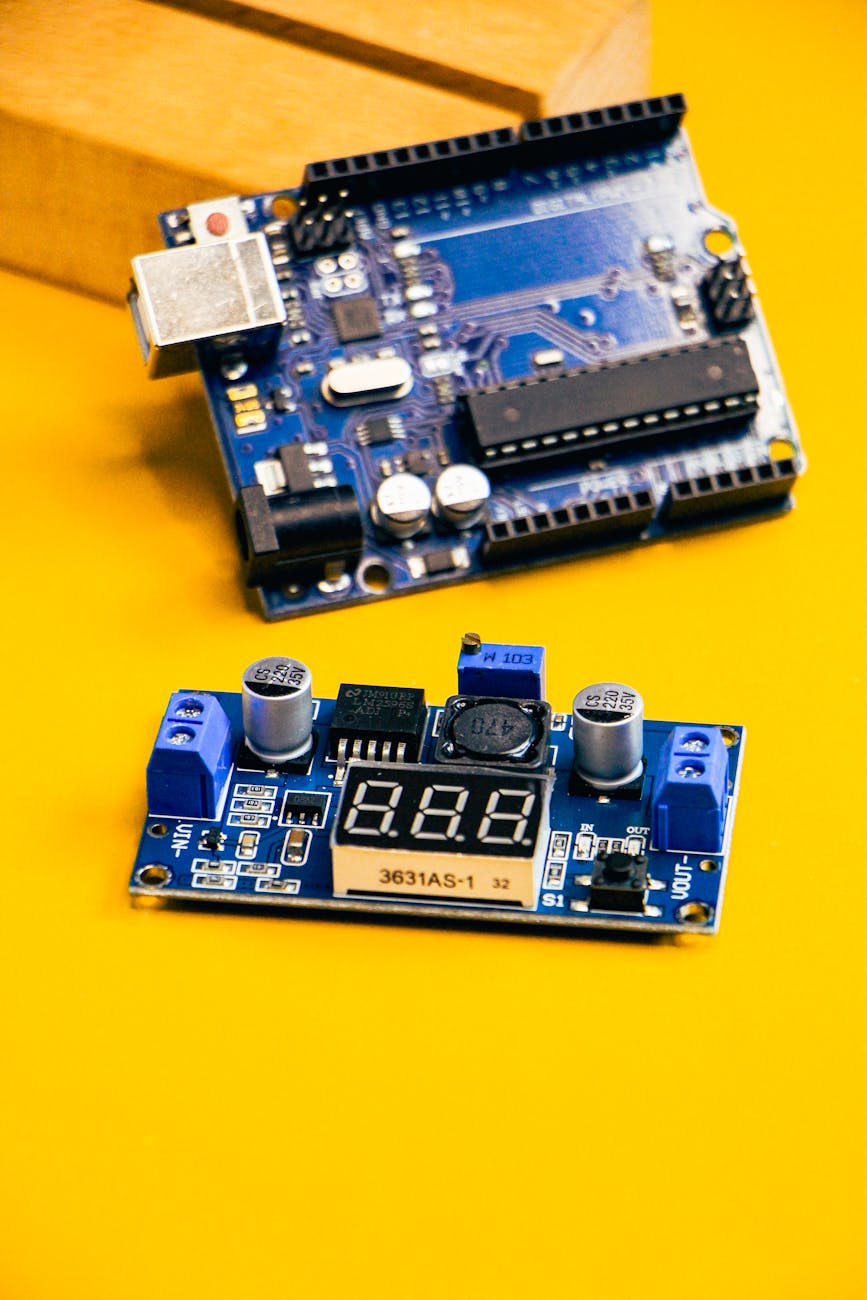
How an Arduino mod improves steam pressure on the Gaggia Classic
The Gaggia Classic is an icon in home espresso, celebrated for its robust build and straightforward mechanics. For experienced home baristas, however, its performance ceiling, particularly with steam, can become a limitation. While the machine is capable, its factory components rely on simple bimetallic thermostats that offer crude temperature control. This often results in inconsistent steam pressure, making it difficult to achieve the microfoam necessary for latte art. Manually “surfing” the steam temperature is a common workaround, but it lacks precision. An Arduino-based modification offers a more elegant and technically proficient solution, transforming the machine’s steaming capabilities by providing consistent, powerful steam on demand. This article explores the technical details behind this popular modification.
Understanding the Gaggia’s native steam control
The Gaggia Classic, in its original state, uses a basic thermostat to manage the boiler temperature for both brewing and steaming. When the steam switch is activated, a dedicated steam thermostat takes over. This component is a simple mechanical switch that allows the boiler to heat to a higher temperature suitable for generating steam. Its operation is binary: it is either on or off. The thermostat clicks on to heat the boiler and clicks off once it reaches a preset, wide temperature range. This imprecise method causes significant temperature swings. As a result, steam pressure fluctuates, starting strong before tapering off, forcing the user to wait for the heating element to re-engage. This lack of sustained pressure is a primary frustration for those aiming to texture milk perfectly.
The role of a PID controller
A PID (Proportional-Integral-Derivative) controller replaces the simple thermostat with a sophisticated, microprocessor-based system. An Arduino board, programmed as a PID controller, provides a far more intelligent approach to temperature management. Unlike the Gaggia’s native thermostat, which only knows “on” or “off,” a PID controller constantly monitors the boiler temperature via a thermocouple and makes rapid, precise adjustments to the heating element. It uses a sophisticated algorithm to predict temperature trends, reducing the dramatic fluctuations seen with the stock setup. By keeping the boiler temperature incredibly stable and holding it at the optimal point for steam generation, the PID ensures a continuous and powerful supply of steam pressure. The difference is not subtle; it elevates the machine to a new performance tier.
How the Arduino integrates with the Gaggia
Integrating an Arduino-based system involves replacing the brew and steam thermostats with a thermocouple that provides real-time temperature data to the microcontroller. A solid-state relay (SSR) is used to switch the heating element on and off with much greater speed and precision than the original mechanical thermostat. The Arduino is programmed with a specific algorithm tailored for the Gaggia’s boiler characteristics. It reads the temperature from the thermocouple, processes it through the PID logic, and sends a corresponding signal to the SSR to deliver power to the heating element. This closed-loop system allows the user to set a specific target temperature for steaming, which the Arduino will diligently maintain. The result is a machine that can produce strong, dry, and uninterrupted steam, essential for achieving silky microfoam.
Benefits beyond pressure
While the primary benefit of an Arduino mod is improved steam pressure, it also introduces a higher level of control and consistency to the entire workflow. The precision of the PID algorithm means the boiler temperature is held within a very narrow window, typically within a single degree of the target. This stability not only provides a constant reservoir of steam but also enhances the quality of the steam itself. Because the temperature is optimized, the steam produced is drier, containing less water content. Drier steam transfers heat to the milk more efficiently without diluting it, leading to better flavor and texture. This level of control allows the barista to focus on technique, confident that the machine will deliver predictable and repeatable performance every time.
Conclusion
Modifying a Gaggia Classic with an Arduino-based PID controller is a significant step for any serious home barista. It moves beyond the limitations of the machine’s stock thermostats, replacing them with a precise and intelligent system for managing boiler temperature. By maintaining a stable and optimal temperature, the mod delivers strong, consistent, and dry steam, which is critical for producing high-quality microfoam. The project requires some technical comfort but rewards the user with a machine that performs well beyond its original design. For those dedicated to the craft of manual espresso, such a modification can transform the Gaggia Classic from a capable entry-level machine into a highly precise tool.

 No products in the cart.