

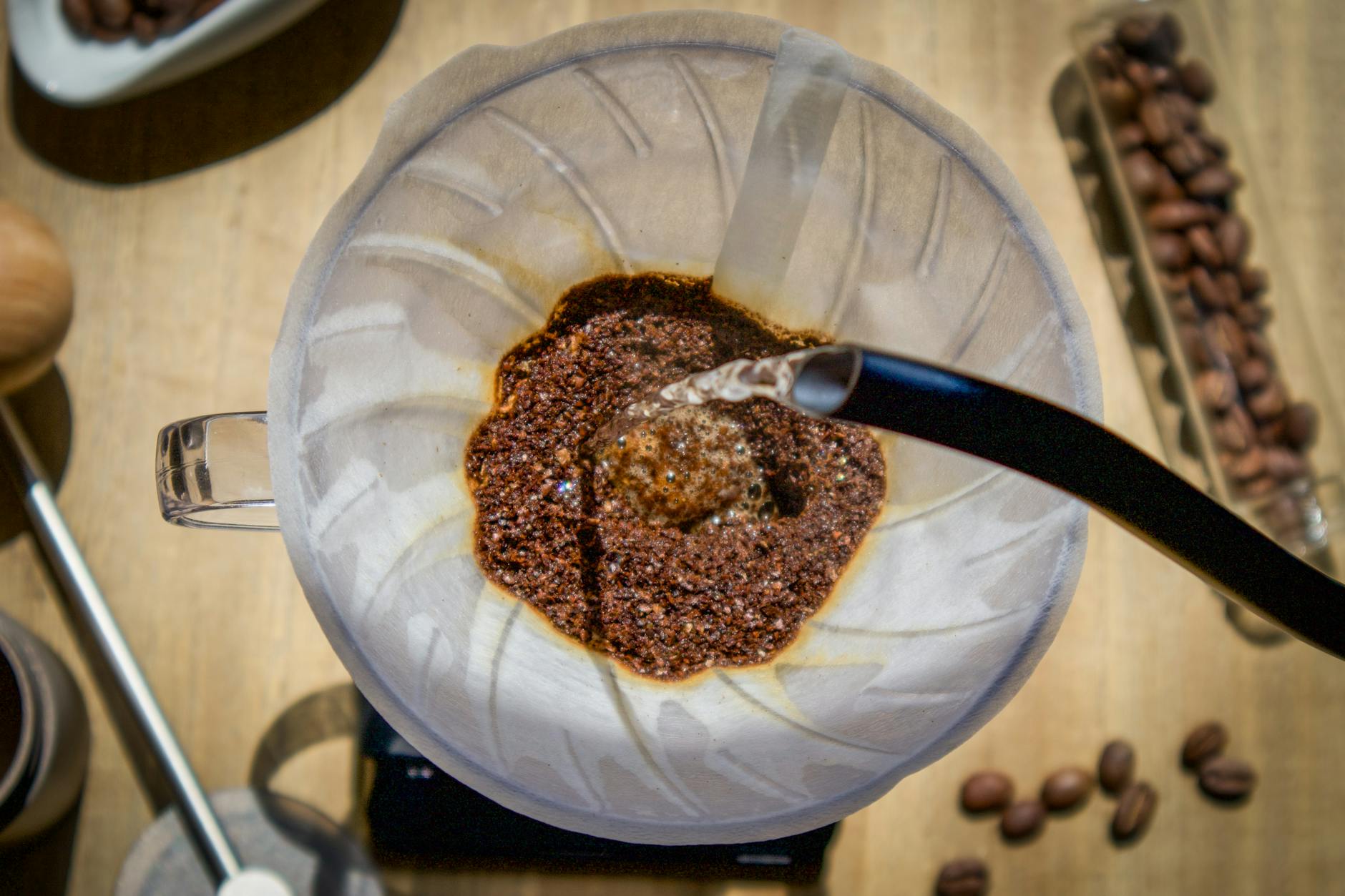
Achieving true thermal stability on a single boiler espresso machine
For the dedicated home barista, the single boiler espresso machine represents a unique intersection of tradition, simplicity, and challenge. While capable of producing exceptional espresso, its single heating element creates a constant thermal struggle. Unlike dual boiler or heat exchanger systems, a single boiler cannot simultaneously maintain optimal temperatures for both brewing coffee and steaming milk. Achieving shot-to-shot consistency, therefore, requires a deep understanding of thermal management. This is not a flaw in the design but a characteristic that demands skill and precision from the operator. True thermal stability on these machines is less about passive equilibrium and more about active, informed control. This article explores the principles and techniques required to master that control.
The core challenge of the single boiler
The fundamental conflict within a single boiler machine is the significant temperature difference between brewing and steaming. Espresso extraction is a delicate process that occurs within a narrow temperature window, typically between 90-96°C (195-205°F). Steam, however, requires water to be at its boiling point of 100°C (212°F) to generate sufficient pressure for texturing milk. A single boiler must heat its water well past the ideal brewing range to produce steam, and conversely, it must cool down significantly after steaming before another shot can be pulled.
This forced temperature swing is the primary obstacle to consistency. Pulling a shot when the boiler is too hot results in over-extraction, introducing bitter and astringent flavors. Conversely, brewing with water that is too cool leads to a sour, underdeveloped shot. The machine’s thermostat, often a simple bimetallic strip, allows for a wide deadband—the temperature range between which the heating element turns on and off. This inherent fluctuation means the temperature at the group head is rarely stable without operator intervention.
Temperature surfing explained
“Temperature surfing” is the most common technique used to manage the thermal cycles of a single boiler machine. It is a manual process of forcing the machine to heat or cool to a desired point in its cycle, allowing the barista to initiate extraction at a more precise and repeatable temperature. The goal is to “catch the wave” of rising or falling temperature at the same point for every shot.
A typical temperature surfing routine involves these steps:
- Initiate a heating cycle: After the machine is fully warmed up, activate the steam switch or run water through the group head to trick the thermostat into engaging the heating element.
- Monitor the cycle: Wait for the heating element indicator light to turn off, signaling that the boiler has reached the top of its heating cycle.
- Start a cooling flush: Immediately begin flushing a specific amount of water through the group head. This serves two purposes: it purges overheated water from the system and begins cooling the boiler toward the target brew temperature.
- Lock in and brew: Once the flush is complete, immediately lock in the portafilter and start the extraction. The timing between the end of the flush and the start of the brew is critical.
This process, while effective, requires careful timing and consistent execution. The volume of the cooling flush and the waiting period before brewing become key variables that the barista must standardize to achieve repeatable results. It is a hands-on method that turns the operator into an active participant in the machine’s thermal regulation.
The critical role of the group head
While much attention is paid to the boiler, the group head itself is a massive thermal reservoir that plays an equally important role in the final temperature of the water hitting the coffee puck. A properly heated group head is essential for stability. If the group is too cool, it will leech heat from the brew water, regardless of how precise your boiler management is. If it is too hot, it will add excess heat.
Ensuring the group head is fully saturated with heat requires ample warm-up time, often 20 to 30 minutes, with the portafilter locked in. This allows the heavy brass or steel components to reach a stable equilibrium with the rest of the system. The cooling flush performed during temperature surfing also helps stabilize the group, preventing it from overheating due to prolonged idle time between shots. Some advanced users even measure the temperature of the water exiting the group during a flush to get a more accurate reading before committing to the shot.
Advanced methods for thermal management
For those seeking to move beyond the manual inputs of temperature surfing, a Proportional-Integral-Derivative (PID) controller is the most significant upgrade for a single boiler machine. A PID controller replaces the simple thermostat, using an algorithm to monitor the boiler temperature with a precise sensor and making small, frequent adjustments to the heating element. This drastically reduces the wide temperature swings of a standard thermostat, holding the boiler within a very narrow range, often less than a degree.
Even with a PID, a brief cooling flush may still be necessary to stabilize the group head and bleed off any super-heated water sitting in the system. However, the PID provides a stable, predictable starting point that makes the entire process far more repeatable. It transforms the machine’s thermal behavior from a fluctuating wave into a calm, steady state, allowing the barista to focus on other variables like grind size and dose. This level of control is fundamental for baristas who want to explore different roast profiles, as each may require a slightly different, yet stable, brew temperature to optimize extraction.
Conclusion
Achieving true thermal stability on a single boiler espresso machine is an active pursuit, not a passive state. It requires the barista to understand the inherent conflict between brewing and steaming temperatures and to develop precise, repeatable workflows. Techniques like temperature surfing provide a manual pathway to consistency, demanding careful timing and observation from the operator. For a more automated and precise approach, a PID controller offers a significant advantage by minimizing boiler fluctuations. Ultimately, mastery of a single boiler machine comes from appreciating its design characteristics and implementing the right techniques to manage them. With a disciplined approach, these machines are capable of producing espresso that rivals their more complex counterparts. For those interested in precision tools and accessories to enhance their workflow, resources are available at papelespresso.com.
 No products in the cart.