

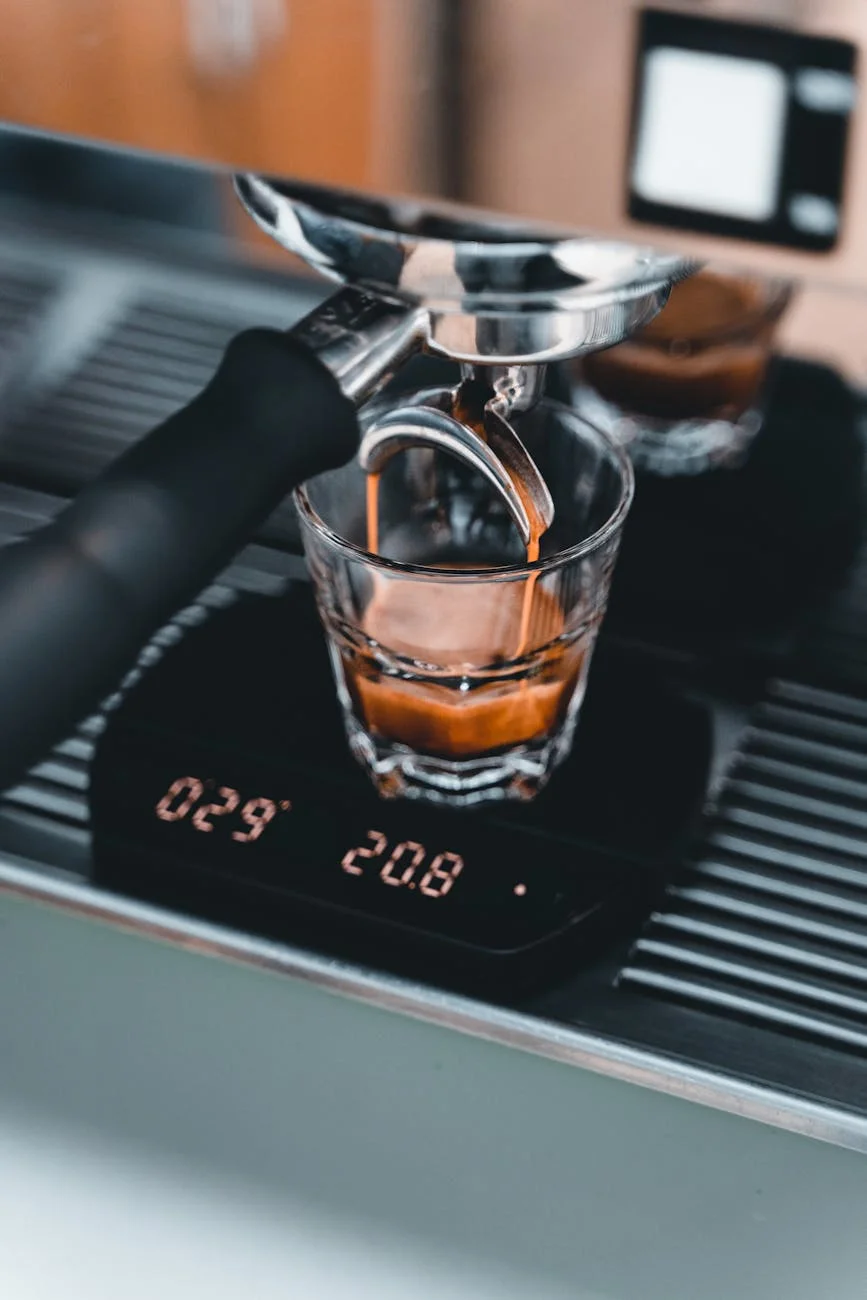
How pressure profiling can save a fast espresso extraction
For the experienced home barista, a fast-flowing espresso shot is a familiar problem. Despite meticulous puck preparation, the golden-brown liquid can sometimes gush into the cup, resulting in a thin, sour, and disappointing extraction. This is a scenario where standard espresso machines offer few remedies beyond adjusting the grind size, a change that is not always practical mid-session. For users of manual and pressure-profiling machines, however, a fast extraction is not a failure but an opportunity. By actively manipulating pressure during the pull, a skilled barista can intervene, diagnose the issue, and salvage the shot, turning a potential sink-shot into a balanced and enjoyable espresso.
Understanding the fast extraction problem
A shot that runs too quickly, often called a “gusher,” is a symptom of excessive water flow through the coffee puck. The primary cause is typically low resistance, which can stem from several factors. The most common culprit is a grind setting that is too coarse, creating large gaps between coffee particles that allow water to pass through with minimal opposition. Another frequent cause is channeling, where water carves a path of least resistance through the puck, leading to localized over-extraction and overall under-extraction. This can happen due to an uneven tamp, poor distribution of grounds, or an old portafilter gasket that fails to create a proper seal.
The result is an espresso that is chemically and sensorially unbalanced. The limited contact time between water and coffee prevents the proper dissolution of sugars and oils, leading to a thin body and a pronounced, one-dimensional sourness. By understanding the underlying physics of extraction, a barista can better appreciate why simply stopping the shot early is not a solution. The problem lies not in the volume, but in the compromised interaction within the puck itself.
What is pressure profiling?
Pressure profiling is the deliberate manipulation of pump or lever pressure at different stages of the espresso extraction process. Unlike conventional machines that maintain a steady nine bars of pressure from start to finish, pressure-profiling systems allow the user to control this variable dynamically. This control unlocks the ability to influence how water interacts with the coffee puck, moment by moment.
A typical pressure profile consists of several phases:
- Pre-infusion: A low-pressure phase (1–4 bars) that gently saturates the puck, allowing it to swell and settle. This reduces the risk of channeling when higher pressure is introduced.
- Ramp-up: The gradual increase in pressure toward the desired peak. The speed of this ramp can affect the puck’s integrity.
- Peak pressure: The main extraction phase, often performed at a pressure between 6 and 9 bars, though this is entirely variable.
- Ramp-down: A gradual decrease in pressure toward the end of the shot, which can help reduce the extraction of bitter compounds and fines migration.
By adjusting the duration and intensity of each phase, a barista can compensate for imperfections in the puck and steer the extraction toward a more balanced flavor profile. This level of control is what makes saving a fast shot possible.
Applying pressure profiling to save a fast shot
When you observe the initial signs of a fast extraction—such as blonding that occurs too early or a watery, rapid flow—you can intervene directly using pressure. The goal is to increase the puck’s resistance to slow the flow of water and give it the necessary time to extract desirable solids.
The primary technique is to reduce the pressure. Lowering the pressure from a standard nine bars to a gentler six or seven bars immediately slows the velocity of the water. This reduction gives the water more time to saturate the coffee grounds, promoting a more even extraction and preventing the water from further exploiting existing channels. A rapid drop in pressure can effectively “choke” the flow, forcing the water to find new paths through the puck rather than continuing down an established channel.
Here is a table outlining a potential rescue strategy:
| Extraction Stage | Observation | Corrective Pressure Adjustment | Objective |
|---|---|---|---|
| First 5–8 seconds | Shot starts too quickly; blond streams appear almost immediately. | Immediately decrease pressure to 5–6 bars. | Slow the flow and increase contact time. |
| Mid-extraction (8–20 seconds) | Flow remains fast despite initial pressure drop. | Hold pressure low or even decline it further to 4–5 bars. | Minimize channeling and allow puck to stabilize. |
| End of shot | Target yield is approaching, but shot time is still short. | Taper pressure down smoothly to end the shot. | Avoid introducing bitterness from fines. |
This on-the-fly adjustment requires practice and a keen eye. The ability to react in real-time transforms the barista from a passive operator into an active participant in the extraction process, using tactile feedback to guide the final result.
Advanced techniques and considerations
Beyond simply lowering the peak pressure, advanced users can employ more nuanced strategies. For instance, a “blooming” or extended pre-infusion at very low pressure can help a puck that is prone to fracturing. By allowing the coffee to fully saturate and expand before ramping up, you create a more homogenous and resilient structure. This technique is particularly effective for lighter roasts, which are often less soluble and more resistant to extraction.
It is also important to consider the coffee itself. A dark, porous roast may require a more gentle and tapered profile to avoid over-extraction, while a dense, light roast might benefit from a prolonged pre-infusion followed by a higher peak pressure. The key is to treat pressure not as a fixed target but as a flexible tool that can be adapted to the specific coffee and the immediate behavior of the shot.
Conclusion
A fast espresso shot does not have to be a lost cause. For the barista equipped with a pressure-profiling machine, it represents a solvable puzzle. By understanding the relationship between pressure, flow rate, and extraction, you can make informed, real-time adjustments to salvage a problematic shot. The core principle is to reduce pressure to increase the coffee puck’s resistance, thereby slowing down the flow and allowing for a more complete and balanced extraction. This approach transforms espresso making from a rigid, predetermined process into a dynamic and responsive craft. While mastering this skill takes time and attention, it ultimately leads to greater consistency and a deeper understanding of the variables that create a truly exceptional cup. For those interested in exploring this level of control, tools that enable precise pressure manipulation are available at papelespresso.com.
 No products in the cart.