

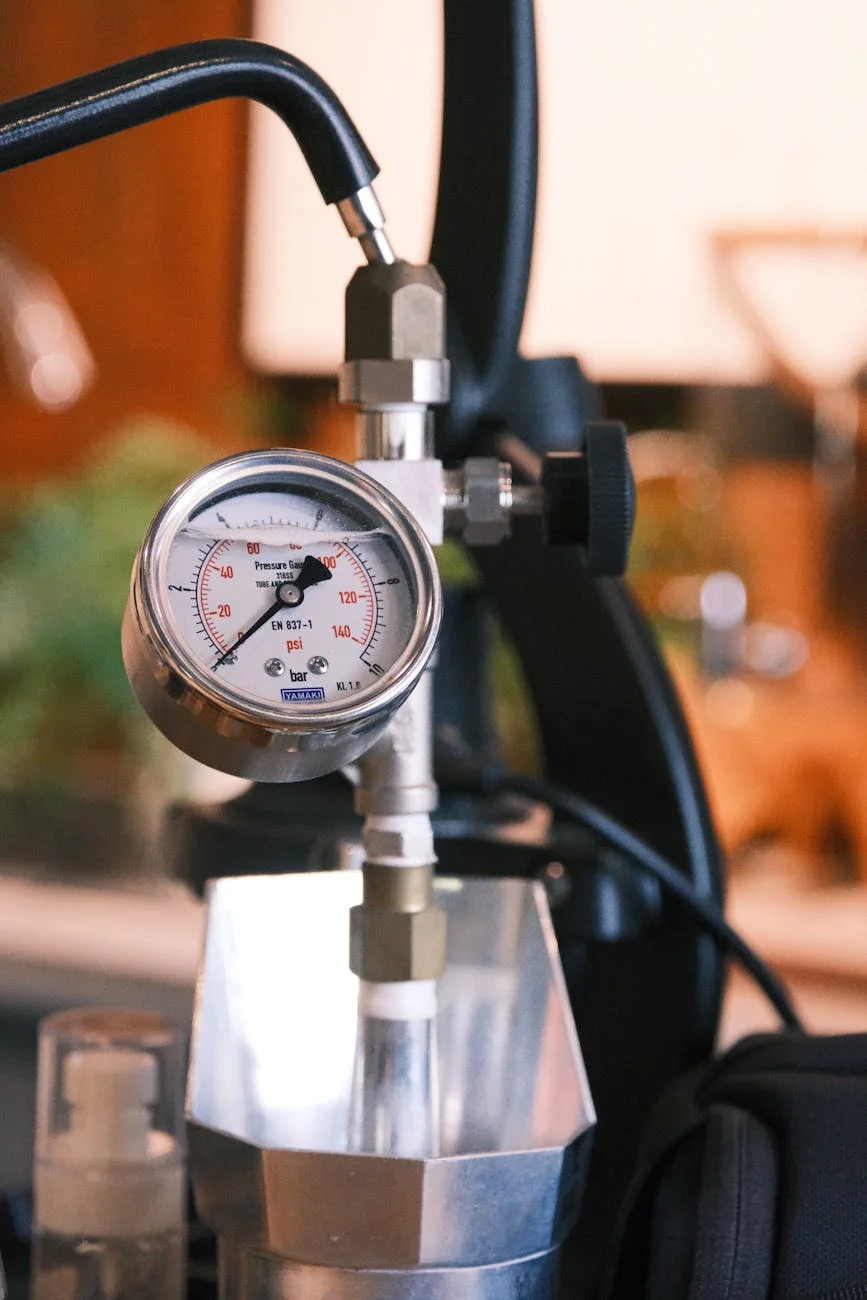
The pursuit of exceptional espresso is often a journey into the finer points of extraction control. For users of manual and prosumer espresso machines, managing the flow rate and pressure of the pump has become a critical frontier for experimentation. Moving beyond the static 9-bar pressure standard allows for nuanced techniques like pre-infusion and pressure profiling, fundamentally altering the taste and texture of a shot. This article explores two popular methods for achieving this control: the straightforward dimmer mod and the more complex microcontroller-based system. We will analyze the technical differences, practical applications, and inherent trade-offs of each approach to help you make an informed decision for your setup.
Understanding the dimmer mod
The most accessible method for pump control is the dimmer modification. At its core, this approach uses a simple AC light dimmer switch, wired in series with the machine’s vibratory pump. A vibratory pump’s output is directly related to the voltage it receives. By turning the dimmer knob, you are adjusting the voltage supplied to the pump, which in turn alters its piston stroke length and frequency. This provides real-time, manual control over the flow rate and, consequently, the pressure in the basket.
The underlying technology is typically phase-angle control, where the AC waveform is chopped, reducing the overall power delivered to the pump. While effective, this method is not a precise or linear way to manage pressure. The relationship between the knob’s position and the resulting pressure is not 1:1 and can be influenced by factors like puck resistance. It is a purely analog and tactile method. The user makes adjustments based on feel, sound, and the visual feedback from the extraction, making it an interactive but less repeatable process. It requires significant user skill to replicate profiles consistently.
The microcontroller approach
A microcontroller-based system represents a significant leap in complexity and capability. Instead of direct manual adjustment, this method uses a small computer (the microcontroller) to regulate the pump’s power. This approach moves from analog guesswork to digital precision. These systems often incorporate sensors, such as pressure transducers, to create a closed-loop feedback system. The user can program a desired pressure profile—for example, a 15-second pre-infusion at 3 bars, followed by a ramp up to 9 bars, and a gradual decline to 6 bars.
The microcontroller executes this profile by constantly measuring the actual grouphead pressure and adjusting the pump’s power to match the target. This ensures that the profile is executed accurately and is perfectly repeatable from one shot to the next. The control is programmatic rather than manual. While some systems may allow for real-time manual intervention, their primary strength lies in automation and consistency. This method opens the door to data logging, profile saving, and a level of precision that is simply unattainable with a basic dimmer mod.
A practical comparison
Choosing between a dimmer and a microcontroller depends entirely on your goals, budget, and technical comfort level. Each system offers a distinct user experience and set of capabilities. The following table provides a direct comparison of the key attributes of each approach.
| Feature | Dimmer mod | Microcontroller system |
|---|---|---|
| Control type | Analog, manual, real-time | Digital, programmatic, automated |
| Repeatability | Low; highly dependent on user skill | High; executes saved profiles precisely |
| Feedback | User observation (visual, auditory) | Sensor-based (e.g., pressure transducer) |
| Installation | Relatively simple electrical wiring | More complex; involves electronics and sensors |
| Primary benefit | Tactile feel and direct flow control | Precision, consistency, and automation |
Which method is right for you?
The ideal choice hinges on what you value most in your espresso workflow. If you are a hands-on user who enjoys the craft and sensory feedback of “pulling” a shot, the dimmer mod is an excellent, low-cost entry into flow profiling. It turns every extraction into a unique performance where you are directly connected to the machine’s behavior. It is perfect for the tinkerer who enjoys developing an intuitive feel for the process and is less concerned with perfect shot-to-shot replication.
Conversely, if your goal is to minimize variables and achieve the highest degree of consistency, a microcontroller system is the superior option. It is suited for the analytical barista who wants to design, test, and reliably execute specific pressure profiles. This approach treats the espresso machine less like a manual instrument and more like a precise tool for exploring the outer limits of extraction science. It is for those who want to know that any variation in taste is due to the coffee or grind, not an inconsistent pressure curve.
Conclusion
Both dimmer mods and microcontroller systems are powerful tools for elevating manual espresso brewing. They achieve the same fundamental goal—varying pump power—but through vastly different philosophies. The dimmer offers an inexpensive, tactile, and highly interactive way to manipulate flow, rewarding intuition and hands-on skill. The microcontroller provides a path to ultimate precision, automation, and repeatability, empowering the user to execute complex pressure profiles with scientific accuracy. Neither is inherently better; the right choice is the one that aligns with your personal brewing style and technical objectives. For baristas looking to explore these advanced techniques, various components and kits are available from suppliers like papelespresso.com.

 No products in the cart.