

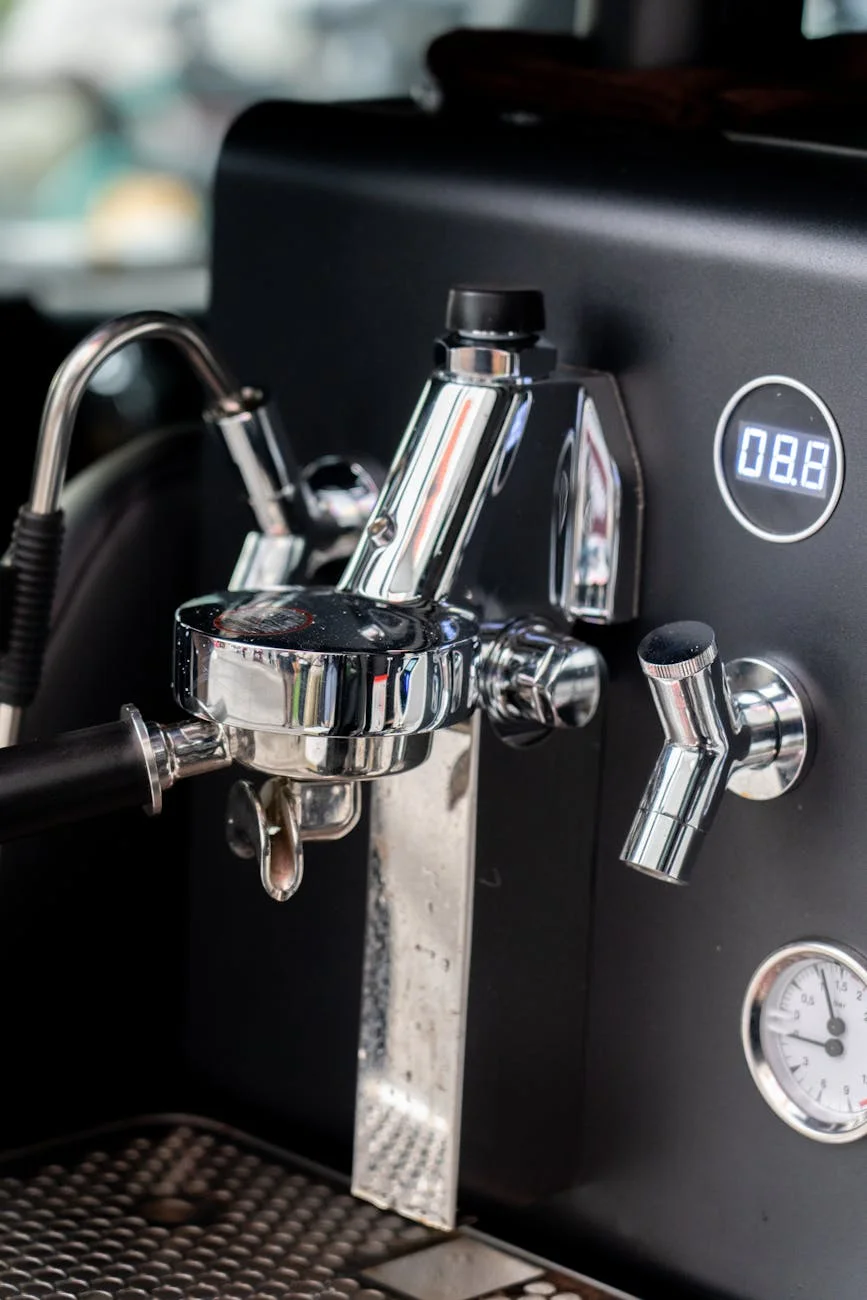
Adjusting the spout height on the Gaggia Anima for different cup sizes
The Gaggia Anima series represents a capable entry into super-automatic espresso machines, offering convenience without completely sacrificing control. For the experienced home barista, mastering the machine’s subtle features is key to optimizing every extraction. One of the most frequently overlooked yet critical adjustments is the height of the dispensing spout. While its primary function is to accommodate various cup sizes, its position has a direct impact on the thermal stability, crema integrity, and overall sensory profile of the final beverage. Understanding how to correctly manipulate this simple mechanism separates a standard, machine-made espresso from one that is thoughtfully prepared, even on an automated system.
Understanding the spout mechanism
The Gaggia Anima features a telescoping coffee dispensing spout designed to move vertically. The mechanism allows the user to slide the entire assembly up or down along a guided track. At its lowest setting, the spout sits approximately 80 mm from the drip tray, making it suitable for traditional espresso shot glasses. At its maximum extension, it reaches approximately 110 mm, providing clearance for larger mugs or latte glasses. This range of motion is engineered to ensure that regardless of the vessel, the coffee stream has a direct and controlled path. The components are typically made from durable, food-safe plastic, designed for smooth operation and easy cleaning of coffee residue.
How spout height influences thermal stability and crema
The distance coffee travels from the spout to the cup is a critical variable in extraction quality. A longer drop distance increases the coffee stream’s exposure to ambient air, leading to a more significant drop in temperature before it even reaches the cup. This thermal loss can negatively impact the flavor balance, particularly muting the brighter, more acidic notes that define a well-extracted espresso. Furthermore, the physical agitation caused by a long drop disrupts the delicate emulsion of oils and finely dispersed solids that form the crema. A shorter, more direct path from spout to cup minimizes this agitation, preserving the crema’s texture, density, and persistence, which are key indicators of a proper extraction.
A step-by-step guide for various drink preparations
Setting the correct spout height should be a deliberate step in your workflow, performed before initiating the brew cycle. The guiding principle is to always use the lowest possible setting that provides adequate clearance for your chosen cup. This minimizes temperature loss and splash.
- Espresso: When using a small espresso cup or shot glass, lower the spout to its absolute minimum position. The nozzles should sit just above the rim of the cup, ensuring the shortest possible drop. This is crucial for preserving the nuanced aromatics and dense crema of a concentrated shot.
- Cappuccino or flat white: For a standard 150-200 ml (5-7 oz) ceramic cup, adjust the spout so it clears the rim by a few millimeters. This keeps the espresso stream protected while leaving enough room to pour steamed milk for latte art without obstruction.
- Latte or americano: When using taller glasses or mugs, you will need to raise the spout accordingly. However, it should still be set as low as possible. For instance, if your mug is 90 mm tall, set the spout height just above that, rather than extending it to its maximum 110 mm height. This small adjustment still provides a tangible benefit in maintaining temperature.
Minimizing splash and maintaining cleanliness
An improperly set spout height is a primary cause of unnecessary mess. When the spout is too high for the cup, the velocity of the coffee stream causes significant splashing upon impact. These fine droplets of coffee land on the machine’s faceplate, the drip tray, and the surrounding counter space. Over time, these coffee oils can build up, becoming difficult to clean and potentially staining surfaces. By consistently adjusting the spout to the lowest appropriate height for each drink, you not only improve the quality of your espresso but also maintain a cleaner workspace. This simple habit reduces the frequency of deep cleaning and helps preserve the aesthetic condition of the machine.
Conclusion
The adjustable spout on the Gaggia Anima is more than a feature of convenience; it is a functional tool for process control. By understanding its impact on thermal stability and crema preservation, the user can elevate the quality of the final beverage. The core principle is straightforward: minimize the distance between the spout and the surface of the coffee in the cup. This requires a conscious adjustment before every preparation, tailored to the specific vessel being used. Consistently applying this technique helps mitigate temperature loss, protect the crema, and maintain a cleaner machine. For home baristas dedicated to precision, mastering such details is fundamental, and having the right workflow is essential. Ensuring every variable is controlled can be supported with a range of specialized tools available from retailers such as papelespresso.com.


 No products in the cart.