

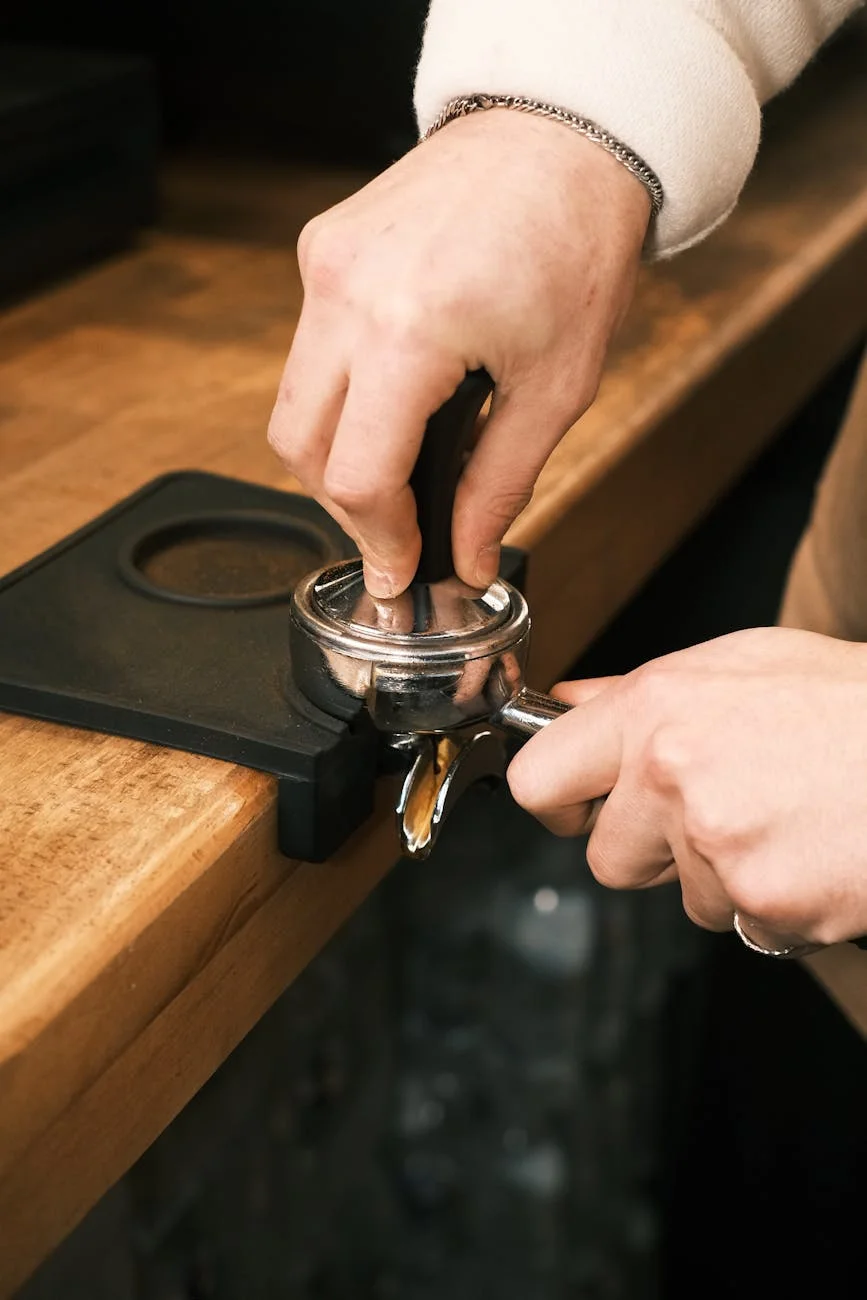
How fresh filtered water improves Gaggia Anima espresso
For the experienced home barista, mastering the Gaggia Anima is a pursuit of precision. We obsess over grind size, dose, and temperature, yet often overlook a variable that constitutes over 98% of an espresso shot: water. The quality of your water is not a minor detail; it is a fundamental component that dictates flavor clarity, extraction efficiency, and the long-term health of your machine. Using inappropriate water can lead to flat, uninteresting espresso and, more critically, to scale buildup that can irreversibly damage your Anima’s thermoblock and internal pathways. This article provides a technical guide to understanding water composition and implementing a filtration strategy to protect your investment and elevate your espresso.
Understanding water composition for espresso
Water is more than just H₂O; it is a solvent containing various dissolved minerals and compounds. The key metrics for espresso are Total Dissolved Solids (TDS), general hardness (GH), and carbonate hardness (KH). TDS, measured in parts per million (ppm), indicates the total mineral content. While some minerals are necessary for flavor extraction, excessively high TDS can mute the coffee’s nuanced aromatics. General hardness measures calcium and magnesium ions, the primary culprits behind limescale formation. Carbonate hardness, or alkalinity, acts as a pH buffer, which helps to stabilize the water’s acidity and prevent corrosion of metal components within the machine. The ideal water for espresso strikes a delicate balance: soft enough to prevent scale, yet containing sufficient mineral content to properly extract desirable flavor compounds from the coffee grounds.
The impact of poor water quality on the Gaggia Anima
The Gaggia Anima, like any high-performance espresso machine, is sensitive to water quality. The most immediate threat is limescale. When water with high calcium and magnesium content is heated within the Anima’s thermoblock, these minerals precipitate out and form a hard, crusty deposit. This scale buildup has two detrimental effects. First, it acts as an insulator, impairing the thermoblock’s ability to maintain a consistent and accurate brewing temperature, which is critical for repeatable extractions. Second, severe scale accumulation can restrict or even block the narrow water pathways, leading to reduced flow, increased pump strain, and eventual component failure. Furthermore, water with high chloride levels or an improper pH can corrode the stainless steel and brass components, leading to costly and often irreparable damage over time.
Methods for water filtration
Several filtration methods are available to the home barista, each with distinct advantages and applications. Activated carbon filters, such as those found in popular pitcher-style systems, are effective at removing chlorine and organic compounds that cause off-tastes and odors. However, they do not significantly reduce mineral hardness. For hardness reduction, an ion exchange softening system is required. These systems use a resin to swap calcium and magnesium ions for sodium or hydrogen ions. While effective at preventing scale, some systems can introduce too much sodium or overly strip the water, resulting in a flat taste. For complete control, many enthusiasts turn to reverse osmosis (RO). An RO system strips nearly all minerals, producing exceptionally pure water. This demineralized water must then be remineralized with a specific mineral concentrate to achieve the ideal composition for espresso extraction.
Creating a practical water strategy
Developing a water strategy for your Gaggia Anima begins with understanding your source water. Simple and inexpensive test strips can provide a baseline reading of your water’s general and carbonate hardness. If your water is moderately hard, an in-tank ion exchange filter may be sufficient to prevent scale while retaining enough mineral content for good extraction. For users with very hard water, a more robust solution is necessary. An under-sink filtration system combining carbon filtration with a softening resin offers a practical balance of performance and convenience. Those seeking the utmost precision may opt for a reverse osmosis system coupled with a remineralization formula. This approach provides complete control over the final water profile, allowing you to fine-tune the mineral content to match specific coffee origins and roast profiles, thereby unlocking the full potential of your espresso.
Conclusion
Optimizing the water for your Gaggia Anima is an essential step in the progression from enthusiast to expert home barista. It requires moving beyond tap water and treating water as the critical ingredient it is. By understanding the fundamentals of water chemistry and its effect on both flavor and machine health, you can make an informed decision about filtration. A methodical approach—testing your source water, selecting an appropriate filtration method, and aiming for a balanced mineral composition—will not only protect your machine from scale and corrosion but also unlock a new level of clarity, sweetness, and complexity in your espresso. For those looking to implement such a strategy, various water testing and treatment tools are available from retailers like papelespresso.com.
 No products in the cart.