

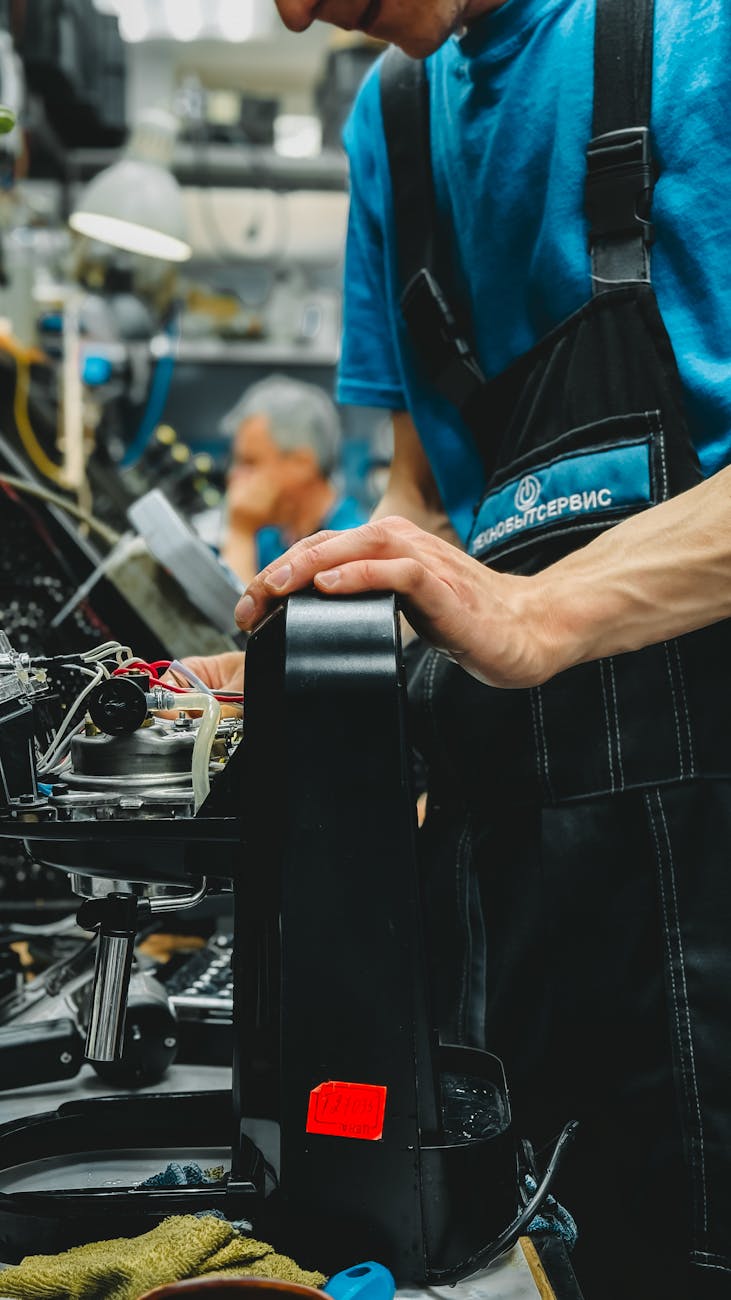
What to do when your Gaggia Anima brew group is stuck
The Gaggia Anima is a capable and reliable super-automatic espresso machine, valued for its consistent performance. However, like any sophisticated mechanical device, it can encounter operational issues. One of the more common and frustrating problems users face is a stuck brew group. This component is central to the machine’s function, and when it becomes immovable, it halts all brewing and cleaning operations. For the experienced home barista, understanding the causes and solutions is essential for maintaining the machine’s health and ensuring its longevity. This guide provides a clear, technical walkthrough for diagnosing and resolving a stuck brew group, focusing on safe and effective methods that protect your equipment.
Why the brew group gets stuck: The mechanics
The brew group is the heart of your Gaggia Anima. It performs the mechanical actions of receiving ground coffee, tamping it into a puck, brewing espresso, and finally ejecting the used grounds into the dreg drawer. This entire process involves a precise sequence of movements along internal rails, driven by a motor.
For removal and cleaning, the brew group must be in its “home” or neutral position. If it gets stuck mid-cycle, the locking mechanisms will not disengage, making it impossible to remove. The most common reasons for this include:
- Incomplete cycle: A power flicker, user interruption, or an internal error can stop the brew group before it completes its full range of motion and returns to the neutral position.
- Coffee ground buildup: Fine coffee grounds and oils can accumulate on the guide rails or in the gear assembly, creating physical resistance that the motor cannot overcome.
- Lack of lubrication: The brew group requires regular lubrication with a food-safe grease to move smoothly. Over time, this grease wears away, increasing friction and the likelihood of a jam.
- Misalignment: If the brew group was not inserted correctly, it could jam during its first operational cycle.
First steps: Safe diagnosis before intervention
Before attempting any physical fix, it is critical to perform a few diagnostic steps. These can often resolve the issue without manual intervention and prevent accidental damage to the machine. Your first priority should always be safety.
Start by unplugging the machine from the power outlet. Attempting to force the unit while it is energized can damage the drive motor or gears. With the machine unplugged, wait a full minute before plugging it back in. Turn the power on. This simple power cycle often prompts the machine’s internal computer to re-run its initialization sequence. During this startup, the machine will attempt to reset all components, which can include moving the brew group back to its home position. Listen for the sound of the motor; if you hear it trying to move the unit, it is a positive sign.
Pay close attention to the machine’s display. The Gaggia Anima will often display an error code that can help identify the root cause. Codes related to the brew group (such as E01, E03, or E04) can indicate if the issue is a blocked coffee funnel or a stalled motor, guiding your next steps.
Forcing a machine-driven reset cycle
If a simple power cycle does not work, you may need to encourage the machine to reset the brew group’s position. Do not immediately resort to physical force. The goal is to have the machine’s own motor do the work.
Ensure the water tank and dreg drawer are properly inserted. If the machine allows you to access the menu, try initiating a rinse cycle. This command will force the brew group through its full range of motion. Often, this is enough to overcome minor resistance from coffee grounds and reset its position. If the machine is unresponsive, another method is to turn it off, then press and hold the ESPRESSO or ESPRESSO LUNGO button while turning the main power switch on the back to the “I” position. For some models, this can trigger a test or reset cycle that moves the brew group.
Manual assistance and preventative maintenance
If software-based resets fail, gentle manual intervention may be necessary. This should be a last resort, as excessive force can cause permanent damage. Turn the machine off. With the service door open, gently try to wiggle the brew group. The goal is not to pull it out, but to slightly shift its position. This can sometimes dislodge coffee grounds that are causing the jam. If it moves slightly, try another power cycle to see if the motor can now complete its sequence.
Prevention is the most effective strategy. Once you have successfully removed the brew group, clean it thoroughly under lukewarm water without any soap. Allow it to air dry completely before reinserting. Most importantly, establish a routine for lubrication. Apply a thin layer of food-safe silicone grease to the main guide rails on each side of the brew group every month or after every 500 cups. This simple act dramatically reduces friction and is the single best step to prevent the brew group from getting stuck in the future.
Understanding the mechanical nature of your Gaggia Anima is key to resolving issues like a stuck brew group. The primary takeaway is to always let the machine do the work first through power cycles and rinse cycles. Physical force should be avoided. A stuck brew group is most often a symptom of insufficient cleaning and lubrication, not a critical hardware failure. By integrating regular, thorough maintenance into your routine, you ensure the smooth and reliable operation of your machine for years to come. For home baristas committed to quality, proper care is fundamental, and necessary maintenance supplies can typically be found from specialty retailers like papelespresso.com.

 No products in the cart.